The satisfying hiss of a steam mop gliding across your floors, leaving a trail of sparkling cleanliness, is a feeling many homeowners cherish. But what happens when that reliable hiss turns into a frustrating silence, and your Shark steam mop stops producing steam? As someone with over a decade of experience in home cleaning appliances, particularly steam mops, I understand the annoyance and the desire for a quick fix. This comprehensive guide is designed to help you troubleshoot common issues preventing your Shark steam mop from steaming, offering practical solutions and expert advice to get your cleaning routine back on track. Let’s dive into restoring your steam mop’s full power.
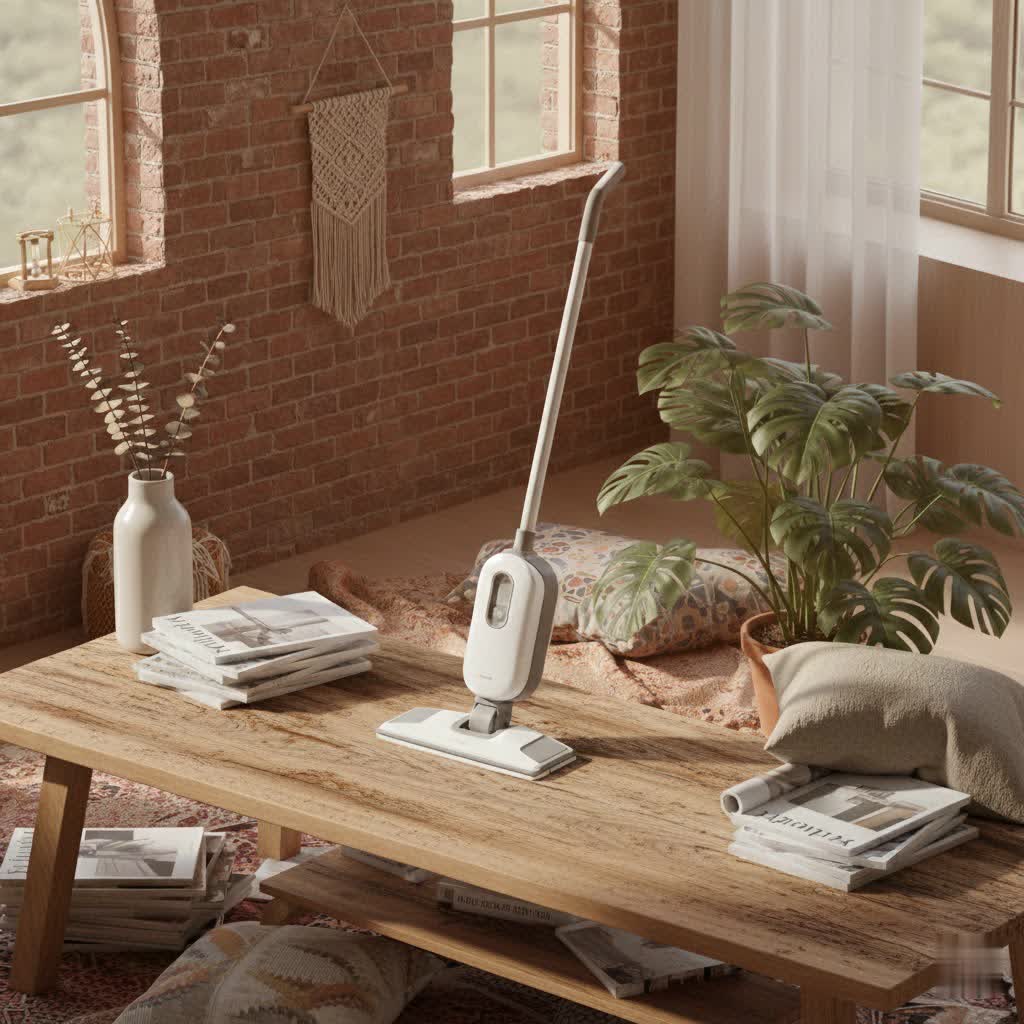
What is a Steam Mop and How Does It Work?
A steam mop is an innovative cleaning appliance that harnesses the power of superheated water vapor to clean and sanitize various sealed hard floor surfaces without the need for harsh chemicals. Its fundamental concept is simple: water, typically stored in a removable tank, is heated rapidly by an internal element until it converts into steam. This steam is then directed through a nozzle onto a microfiber pad, which glides across the floor. The intense heat of the steam not only loosens dirt and grime but also effectively kills up to 99.9% of common household bacteria and germs.
The primary mechanism involves a pump (in some models) that draws water from the reservoir to a boiler or heating chamber. Once the water reaches its boiling point and turns into steam, it’s pushed out through small apertures in the mop head. This chemical-free cleaning method makes steam mops a popular choice for households with children, pets, or those looking to reduce their environmental footprint.
Benefits of Using a Steam Mop
The advantages of integrating a steam mop into your cleaning arsenal are numerous, extending beyond just sparkling floors. Firstly, their superior cleaning and sanitizing capabilities are a major draw. The high-temperature steam effectively breaks down grease, dirt, and sticky messes, while simultaneously sanitizing surfaces without requiring chemical cleaners. This results in a truly deep clean that leaves your floors hygienic and fresh.
Secondly, steam mops are known for saving time and effort. They eliminate the need for buckets, messy solutions, and repetitive rinsing often associated with traditional mopping. With a quick heat-up time, you can tackle spills and everyday grime much faster, making regular cleaning less of a chore. Thirdly, their eco-friendly nature appeals to environmentally conscious users. By relying solely on water, they reduce your exposure to cleaning chemicals and minimize the release of pollutants into the environment. Finally, many modern steam mops boast versatility, with various attachments and settings that allow them to clean more than just floors, extending their utility to countertops, grout, and even garments.
Common Types of Steam Mops on the Market
The steam mop market offers a variety of designs, each catering to different cleaning needs and preferences. Understanding these types can help you appreciate the specific features of your Shark model.
- Stick Steam Mops: These are the most common type, resembling an upright vacuum cleaner. They are primarily designed for floor cleaning, offering ease of maneuverability and storage. Most Shark steam mops fall into this category, excelling at quick and efficient floor sanitization.
- Handheld Steamers: Compact and portable, handheld steamers are ideal for targeted cleaning tasks such as sanitizing bathroom fixtures, kitchen appliances, refreshing upholstery, or tackling small, stubborn spots. They usually have smaller water tanks and shorter steam times but offer excellent precision.
- 2-in-1 or Multi-functional Steam Mops: These versatile models combine the features of a stick steam mop and a detachable handheld steamer. This allows users to seamlessly transition from cleaning floors to sanitizing above-floor surfaces, offering maximum flexibility and utility.
Each type has its own strengths; stick mops are great for large floor areas, handhelds for detail work, and 2-in-1 models provide the best of both worlds. The design often influences water tank capacity, heat-up time, and the types of accessories included.
Steam Mop vs. Traditional Cleaning Methods
When comparing steam mops to conventional cleaning methods, their advantages become even clearer.
- Vs. Manual Mopping: Traditional mopping with a bucket and chemical solution often just pushes dirt around and can leave a chemical residue. Steam mops, by contrast, use high-temperature steam to lift and remove dirt effectively, leaving floors genuinely clean and sanitized without harmful chemicals. They also dry much faster, reducing slip hazards.
- Vs. Vacuum Cleaners: While vacuum cleaners excel at removing dry debris, they cannot sanitize or tackle sticky, caked-on messes. A steam mop complements a vacuum by providing the deep, wet clean needed to eliminate germs and persistent stains after dry debris has been removed.
- Vs. Chemical Cleaners: Steam mops offer a chemical-free alternative, which is safer for pets, children, and individuals with allergies or sensitivities. This also eliminates the need to purchase and store multiple cleaning products, making your cleaning routine more environmentally friendly and cost-effective.
The pure, high-temperature steam from a steam mop provides a deeper, healthier clean than most traditional methods, making it a valuable addition to any home.
Top Steam Mop Models Comparison Table
Choosing the right steam mop can significantly enhance your cleaning routine. While individual needs vary, here’s an illustrative comparison of popular steam mop models, highlighting their general characteristics.
| Product Name | Brand | Price Range (Approx.) | Advantages | Disadvantages | User Rating (General) |
|---|---|---|---|---|---|
| Bissell PowerFresh Steam Mop | Bissell | $90 – $130 | Fast heat-up, odor-eliminating scent discs, flip-down scrubber | Smaller water tank than some models | Highly Rated |
| Shark Steam & Scrub Mop | Shark | $130 – $180 | Powerful scrubbing, automatic rotating pads | Heavier than basic stick mops | Excellent |
| PurSteam 10-in-1 Steam Mop | PurSteam | $60 – $90 | Versatile with handheld unit and many attachments | Build quality may vary | Well-Reviewed |
| Dupray Neat Steam Cleaner | Dupray | $150 – $250 | Large water tank, continuous steam, heavy-duty | Canister design less compact | Very Positive |
Note: Prices and ratings are illustrative and can vary based on retailer, sales, and specific model variations.
Guide to Choosing the Right Steam Mop (Buying Guide)
Selecting the ideal steam mop involves considering several factors to ensure it meets your household’s unique demands. Your investment in the right model can also indirectly reduce common issues like a lack of steam.
- Floor Type: Ensure the steam mop is safe for your specific sealed hard flooring (e.g., tile, sealed hardwood, laminate, vinyl). Some mops have specialized settings for different surfaces.
- Cleaning Area Size: For larger homes, a mop with a generous water tank capacity and longer cord (or a cordless option) will minimize interruptions. Smaller tanks are fine for apartments or quick clean-ups.
- Budget: Steam mops range widely in price. Determine your budget and look for models that offer the best features and durability within that range. Remember, a slightly higher initial investment might lead to better performance and longevity.
- Additional Features: Consider features like variable steam settings (light, medium, deep), detachable handheld units for versatility, quick heat-up times, and specialized attachments for grout or corners.
- Advice for Longevity:
- Choose a Reputable Brand: Brands like Shark, Bissell, and PurSteam generally offer reliable products and better customer support.
- Read User Reviews: Gain insights from other users about real-world performance, durability, and common issues. Pay attention to comments regarding steam production and maintenance.
- Check Warranty Policy: A good warranty indicates the manufacturer’s confidence in their product and provides peace of mind.
- Consider Maintenance: Opt for models that are easy to descale or have readily available replacement parts, as proper maintenance is key to preventing steaming issues.
How to Use and Maintain Your Steam Mop Correctly
Proper usage and consistent maintenance are critical for your Shark steam mop’s performance and longevity, especially to prevent issues like it not producing steam.
How to Use Your Steam Mop
|
Our Picks for the Best Steam Mop in 2026
As an Amazon Associate I earn from qualifying purchases.
|
||
| Num | Product | Action |
|---|---|---|
| 1 | Shark Steam Mop with 2 Machine Washable Dirt Grip Pads, Removable Water Tank, Lightweight, Steam Cleaner for sealed Hard Floors, Marble, Stone, Hardwood, Tile, Laminate, White/Seafoam, S1000 |

|
| 2 | Shark Steam & Scrub Steam Mop, All-in-One Scrubbing and Sanitizing Hard Floor Cleaner, LED Headlights, 4 Dirt Grip Soft Scrub Pads Included, XL Water Tank, Swivel Steering, Hawaiian Grey, S8001 |
|
| 3 | Shark SteamSpot Steam Mop with Steam Blaster Technology, 3 Steam Modes, 2 Washable Pads, XL Removable Water Tank, Lightweight, Steam Cleaner for sealed Hard Floors, Hardwood, Tile, Laminate, S2001 |
|
| 4 | Steam Mop - 11-in-1 Steam Cleaner for Home with 15.2 OZ Water Tank & 23FT Power Cord, Detachable Steam Mops for Floor Cleaning MultiPurpose Steamer for Hardwood, Tile, Furniture with 11 Accessories |
|
| 5 | Steam Mop, Steam Cleaner with 400ML Water Tank, 2 Washable Pads, 23FT Power Cable floor steamer, Detachable Steam Mops for sealed Hard Floors, Marble, Stone, Hardwood (Purple) |
|
| 6 | 11-in-1 Steam Mop - Detachable Handheld Steam Cleaner with 380mL Tank, 260℉ Floor Steamer for Hardwood, Tile, Grout, Windows, Bath & Kitchen - 3-Level Steam Control, Multi-Purpose Floor Steam Cleaner |
|
| 7 | Shark Steam Pocket Mop with 2 Washable Double-sided Pads, Steam Sanitization, Swivel Steering, Lightweight, Steam Cleaner for Sealed Hard Floors, Hardwood, Marble, Tile, Purple, S3501 |
|
| 8 | Pressurized Handheld Steam Cleaner for Home Deep Cleaning, Multi-Purpose Portable Steamer for Cleaning with 11 PCS Accessories for Dirt, Grease, Window, Car, Furniture, Bathroom, Couch, Tile and Grout |
|
| 9 | KLONA Portable Steam Cleaner, Hand Held steamers for cleaning house, Home Multi Purpose - 10-Piece Accessory Kit for Sofa, Upholstery, Carpets |
|
| 10 | Bissell Power Fresh Steam Mop with Natural Sanitization, Floor Steamer, Tile Cleaner, and Hard Wood Floor Cleaner with Flip-Down Easy Scrubber, 1940A |
|
- Fill with Distilled Water: Always use distilled or demineralized water in your steam mop. This is paramount to prevent mineral buildup (limescale) that clogs nozzles and internal components, which is the most common reason for a steam mop not steaming.
- Proper Assembly: Ensure all parts, including the water tank and mop head, are securely attached and clicked into place before plugging in.
- Power On and Warm-Up: Plug the mop into a grounded outlet. Select your desired steam setting and allow the unit adequate time (usually 30 seconds to a minute) to heat up and produce steam. Don’t expect immediate steam upon startup.
- Cleaning Technique: Glide the mop steadily over the floor, allowing the steam to work. For stubborn areas, hold the mop over the spot for a few extra seconds.
How to Clean and Maintain Your Steam Mop
- Empty Water Tank: After every use, empty any remaining water from the tank to prevent stagnant water and further mineral deposits.
- Regular Descaling: This is the most important maintenance step. If you’ve used tap water or live in a hard water area, limescale can build up in the nozzles and heating element.
- Nozzle Cleaning: Unplug the mop and let it cool. Use a small tool, like a straightened paperclip or the cleaning tool provided by Shark, to clear any blockages in the steam nozzles on the mop head. Wiggle it gently to dislodge debris.
- Internal Descaling: For internal buildup, consult your Shark manual. Some methods involve running a mixture of equal parts white vinegar and distilled water through the system, though this should only be done if specified by the manufacturer.
- Clean Mop Pads: Wash microfiber pads regularly according to manufacturer instructions. Dirty pads can hinder cleaning effectiveness and absorb too much steam.
Safety Tips When Using a Steam Mop
- Unplug Before Maintenance: Always unplug your steam mop from the power outlet and allow it to cool completely before performing any maintenance, refilling the tank, or changing pads.
- Use on Sealed Surfaces Only: Ensure your floors are properly sealed to prevent water damage.
- Avoid Harsh Chemicals: Never add cleaning solutions, perfumes, or harsh chemicals directly into the water tank, as this can damage the internal components and void your warranty.
> “Using distilled water and regularly descaling your steam mop are the two simplest yet most effective actions you can take to prevent most ‘no steam’ issues.” – Tech Reviewer, reviewmyui.com Admin
Common Problems When Using a Steam Mop and How to Fix Them
Encountering issues with your steam mop can be frustrating, especially when it’s not producing steam. Here are the most common problems and their effective troubleshooting steps, focusing on Shark models.
Shark Steam Mop Not Steaming
This is the core issue, and several factors can contribute to it.
- Empty or Low Water Tank: This is often the simplest fix.
- Troubleshooting: Check the water tank level. If it’s empty or below the minimum fill line, unplug the mop and carefully refill it with distilled water up to the maximum fill line. Ensure the tank is properly seated and clicked into place.
- Fix: Refill the tank and ensure it’s securely in position.
- Clogged Nozzles or Limescale Buildup: Mineral deposits from hard water are the most frequent culprit.
- Troubleshooting: Unplug the mop and allow it to cool. Inspect the small steam nozzles on the underside of the mop head for any visible blockages.
- Fix: Use a Shark nozzle cleaning tool, a straightened paperclip, or a safety pin to gently clear any mineral deposits or debris from the nozzle openings. You can also soak the mop head (if detachable) in a vinegar and hot water solution for a few minutes to help dissolve scale.
- Power Source or Connection Issues: The mop needs a consistent power supply.
- Troubleshooting: Ensure the mop is securely plugged into a working electrical outlet. Check your circuit breaker or try a different outlet to rule out an electrical issue. The power indicator light should be on.
- Fix: Confirm secure plug connection. Try a different outlet or reset the circuit breaker if necessary.
- Incorrect Steam Setting or Warm-Up Time: The mop might not be activated correctly or hasn’t heated sufficiently.
- Troubleshooting: If your Shark model has multiple steam settings, make sure you have selected a steam mode (e.g., “Normal” or “Deep”) and given it sufficient time to warm up (usually 30 seconds to 1 minute, until indicator lights are solid).
- Fix: Select the appropriate steam setting and wait for the unit to reach operating temperature.
- System Reset Needed: Sometimes, a simple reset can resolve electronic glitches.
- Troubleshooting: If the power light is on but you can’t select a steam setting, or it’s not steaming, the control system might need a reset.
- Fix: Unplug the mop, wait for 15 to 30 seconds, then plug it back in. This often resets the internal controls.
- Faulty Heating Element or Pump: This is a less common issue but indicates a internal component failure.
- Troubleshooting: If the mop powers on, has water, and isn’t clogged, but still produces no steam after all other steps, the heating element might be damaged, or the internal pump (if present) might be failing.
- Fix: These issues typically require professional repair or replacement of the unit. Contact Shark customer service for assistance, especially if your unit is still under warranty.
Steam Mop Leaking Water
- Cause: Overfilling the water tank, a loose or damaged water tank, or a crack in the housing.
- Fix: Ensure the tank is not overfilled and is securely seated. Inspect the tank for damage. Contact customer service if there’s a crack.
Steam Mop Not Cleaning Effectively
- Cause: Dirty or worn mop pads, insufficient steam, or improper technique.
- Fix: Replace dirty pads with clean ones. Ensure the steam mop is producing adequate steam (refer to “not steaming” troubleshooting). Adjust your cleaning technique to allow steam to penetrate dirt.
Conclusion
A non-steaming Shark steam mop can bring your cleaning routine to a halt, but often, the solution is simpler than you think. By systematically checking the water level, clearing any limescale blockages, ensuring proper power and settings, and performing regular maintenance, you can often restore your steam mop to full working order. Remember that using distilled water is your best defense against mineral buildup, the most common culprit for a lack of steam. With these troubleshooting tips and preventative measures, your Shark steam mop will be back to delivering powerful, chemical-free cleaning, keeping your floors sparkling and hygienic. What’s your go-to trick for keeping your steam mop performing its best?
Frequently Asked Questions
Why should I use distilled water in my Shark steam mop?
Using distilled or demineralized water is crucial to prevent the buildup of mineral deposits, or limescale, within your Shark steam mop’s internal components and nozzles. Tap water, especially in hard water areas, contains minerals that can clog the steam pathways, leading to reduced steam output or a complete lack of steam over time.
How often should I descale my Shark steam mop?
The frequency of descaling depends on your water hardness and how often you use the mop. If you consistently use distilled water, descaling might be needed less often. However, if you notice reduced steam, poor performance, or hear unusual noises, it’s a sign that descaling (or nozzle cleaning) is overdue. Regular maintenance after each use, like emptying the tank, can also help.
Can I use vinegar to clean my Shark steam mop nozzles?
Yes, white vinegar can be effective for descaling and cleaning clogged nozzles. After ensuring your mop is unplugged and cool, you can use a solution of equal parts white vinegar and water to soak the mop head or carefully clear the nozzles with a small tool like a paperclip after the vinegar has had time to dissolve mineral buildup. Always consult your specific Shark model’s manual for recommended cleaning methods.
What if my Shark steam mop is heating up but no steam comes out?
If your Shark steam mop heats up but fails to produce steam, the most likely cause is a clogged nozzle from mineral buildup or an internal blockage in the steam pathways. Ensure the water tank is full, the steam setting is selected, and try clearing the nozzles with a small tool. If the problem persists, it might indicate a more complex internal issue with the heating element or pump.
When should I contact customer service for my Shark steam mop?
You should contact Shark customer service if you’ve exhausted all troubleshooting steps, and your steam mop still isn’t steaming. This is especially true if you suspect a faulty heating element or pump, if the unit is leaking significantly, or if it’s still under warranty. They can provide model-specific advice, repair options, or guide you through a warranty claim.
