Are you tired of battling stubborn floor stains and germ worries with traditional mops and harsh chemicals? Imagine a cleaning tool that effortlessly cuts through grime, sanitizes surfaces, and leaves your floors sparkling without a single drop of chemical cleaner. Enter the scrub and steam mop – a revolutionary device designed to transform your cleaning routine and provide a deeper, more hygienic clean for your home. With over a decade of hands-on experience in home cleaning appliances, particularly with steam mops, I’ve seen hundreds of models come and go. I’m here to share invaluable insights and candid advice to help you discover the perfect scrub and steam mop that meets your household’s unique needs. Let’s dive into the fascinating world of steam cleaning technology!
What is a Steam Mop and How Does It Work?
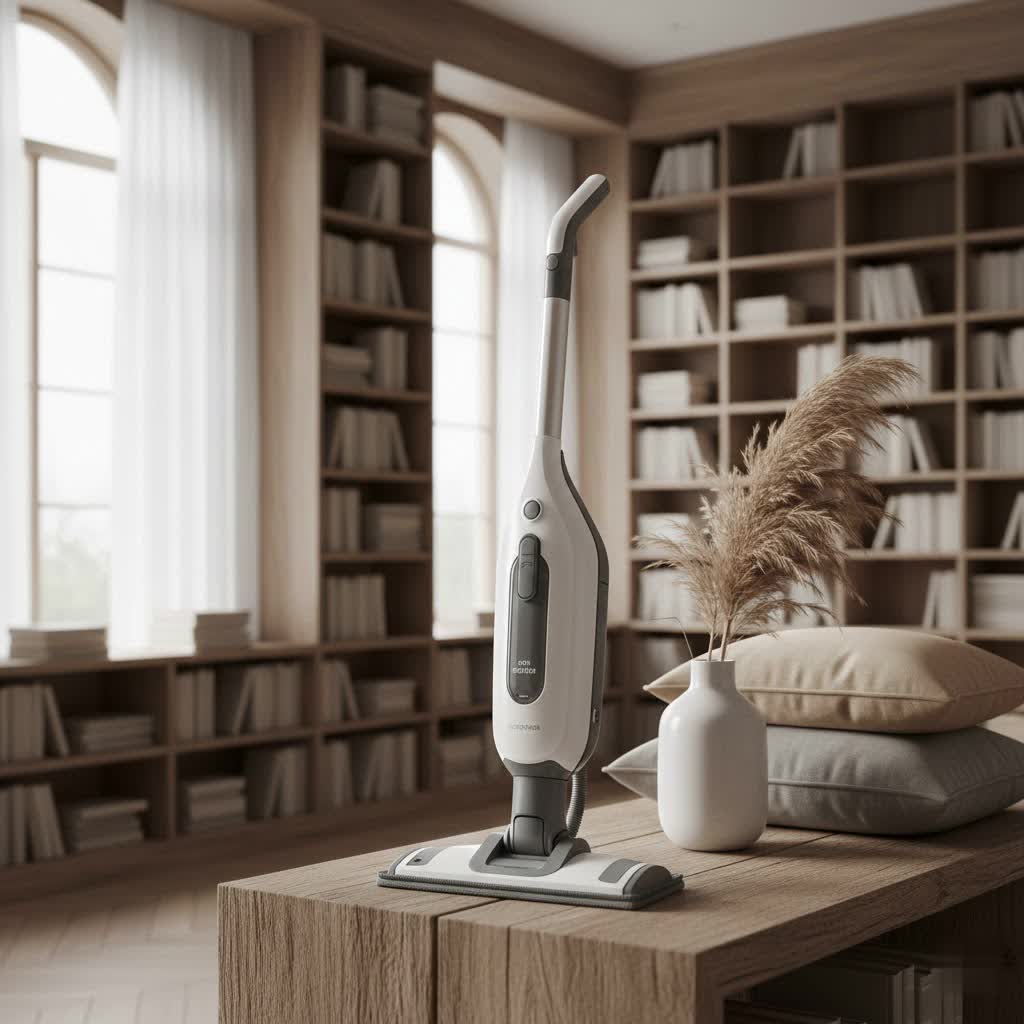
A steam mop is an innovative cleaning appliance that uses high-temperature steam to clean and sanitize floors. Unlike traditional mops that rely on water and detergents, a steam mop harnesses the power of heated water to loosen dirt, dissolve grime, and kill bacteria on various sealed surfaces.
The basic principle is straightforward: water from a removable reservoir is heated to extreme temperatures, often reaching up to 250 degrees Fahrenheit (121 degrees Celsius). This superheated water transforms into steam, which is then channeled down to a microfiber cleaning pad attached to the mop head. When the hot steam comes into contact with the floor, it penetrates and breaks down dirt, grease, and stains. The accompanying pad then absorbs the dissolved debris, leaving the surface clean and often dry within moments. For “scrub and steam mops,” this process is enhanced with rotating, vibrating, or motorized scrubbing pads that provide mechanical agitation, working in conjunction with the steam to tackle even the most stubborn, stuck-on messes more effectively than steam alone.
Benefits of Using a Scrub and Steam Mop
Embracing a scrub and steam mop for your home cleaning offers a multitude of advantages that go beyond superficial cleanliness. These devices provide a powerful and efficient solution for maintaining a hygienic living environment.
Effective Cleaning and Sanitization
|
Our Picks for the Best Steam Mop in 2026
As an Amazon Associate I earn from qualifying purchases.
|
||
| Num | Product | Action |
|---|---|---|
| 1 | Steam Mop, Steam Cleaner with 400ML Water Tank, 2 Washable Pads, 23FT Power Cable floor steamer, Detachable Steam Mops for sealed Hard Floors, Marble, Stone, Hardwood (Purple) |

|
| 2 | Shark Steam & Scrub Steam Mop, All-in-One Scrubbing and Sanitizing Hard Floor Cleaner, LED Headlights, 4 Dirt Grip Soft Scrub Pads Included, XL Water Tank, Swivel Steering, Hawaiian Grey, S8001 |
|
| 3 | Shark Steam Mop with 2 Machine Washable Dirt Grip Pads, Removable Water Tank, Lightweight, Steam Cleaner for sealed Hard Floors, Marble, Stone, Hardwood, Tile, Laminate, White/Seafoam, S1000 |
|
| 4 | 11-in-1 Steam Mop - Detachable Handheld Steam Cleaner with 380mL Tank, 260℉ Floor Steamer for Hardwood, Tile, Grout, Windows, Bath & Kitchen - 3-Level Steam Control, Multi-Purpose Floor Steam Cleaner |
|
| 5 | KLONA Portable Steam Cleaner, Hand Held steamers for cleaning house, Home Multi Purpose - 10-Piece Accessory Kit for Sofa, Upholstery, Carpets |
|
| 6 | Pressurized Handheld Steam Cleaner for Home Deep Cleaning, Multi-Purpose Portable Steamer for Cleaning with 11 PCS Accessories for Dirt, Grease, Window, Car, Furniture, Bathroom, Couch, Tile and Grout |
|
| 7 | Shark Steam Pocket Mop with 2 Washable Double-sided Pads, Steam Sanitization, Swivel Steering, Lightweight, Steam Cleaner for Sealed Hard Floors, Hardwood, Marble, Tile, Purple, S3501 |
|
| 8 | Steam Mop - 11-in-1 Steam Cleaner for Home with 15.2 OZ Water Tank & 23FT Power Cord, Detachable Steam Mops for Floor Cleaning MultiPurpose Steamer for Hardwood, Tile, Furniture with 11 Accessories |
|
| 9 | Bissell Power Fresh Steam Mop with Natural Sanitization, Floor Steamer, Tile Cleaner, and Hard Wood Floor Cleaner with Flip-Down Easy Scrubber, 1940A |
|
| 10 | Shark SteamSpot Steam Mop with Steam Blaster Technology, 3 Steam Modes, 2 Washable Pads, XL Removable Water Tank, Lightweight, Steam Cleaner for sealed Hard Floors, Hardwood, Tile, Laminate, S2001 |
|
One of the primary benefits is their exceptional cleaning power and sanitizing capabilities. The high temperature of the steam is incredibly effective at killing 99.9% of common household bacteria and germs, including E. coli and Salmonella, using nothing but water. This chemical-free sanitization is invaluable for homes with children, pets, or allergy sufferers, providing peace of mind that your floors are truly clean and safe. The added scrubbing action on these advanced models means they can lift and remove dried-on food spills, muddy paw prints, and sticky residues that traditional steam mops might merely glide over.
Time and Effort Saving
Say goodbye to the back-breaking work of scrubbing floors by hand or lugging heavy buckets of dirty water. Scrub and steam mops significantly reduce cleaning time and effort. With rapid heat-up times, you can start cleaning almost immediately. The steam and scrubbing pads do most of the hard work for you, gliding effortlessly across surfaces and making short work of messes. This efficiency allows for quicker clean-ups and less physical strain, freeing up your valuable time for other activities.
Environmentally Friendly
In an era where environmental consciousness is paramount, scrub and steam mops shine. By utilizing only tap or distilled water, they eliminate the need for harsh chemical cleaners that can pollute indoor air and waterways. This not only creates a healthier home environment by reducing exposure to chemical residues but also contributes to a greener planet. Less reliance on disposable cleaning products also means less waste.
Versatile on Many Surfaces
Despite their powerful action, scrub and steam mops are surprisingly versatile and safe for use on a wide array of sealed hard floor surfaces. This includes hardwood, laminate, tile, stone, marble, and vinyl. Many models come with multiple steam settings (light, normal, deep) to adapt to different floor types and cleaning needs, ensuring a safe yet effective clean across your home. Some advanced models even feature attachments for cleaning grout, countertops, and other surfaces, further enhancing their utility.
Popular Types of Steam Mops on the Market
The steam mop market has evolved to offer various designs, each catering to different preferences and cleaning requirements. Understanding the distinctions between these types can help you pinpoint the best fit for your home.
Stick Steam Mops
These are the most common and recognizable type, resembling an upright vacuum cleaner. They are designed primarily for floor cleaning and are generally lightweight and easy to maneuver. Many stick steam mops now incorporate scrubbing features, using rotating or vibrating pads to enhance their cleaning power.
- Pros: Easy to use for large floor areas, lightweight, compact for storage, quick heat-up.
- Cons: Limited versatility beyond floors, may struggle with very stubborn, targeted stains without a dedicated scrubbing mechanism.
Handheld Steam Mops
Compact and portable, handheld steam mops are designed for targeted cleaning tasks rather than large floor areas. They are excellent for sanitizing countertops, scrubbing grout, cleaning bathroom fixtures, and even steaming fabrics. While not ideal for entire floors, some stick models feature a detachable handheld unit, offering the best of both worlds.
- Pros: Highly versatile for various surfaces and detailed cleaning, excellent for sanitizing small areas.
- Cons: Small water tank, requires more manual effort, not suitable for extensive floor cleaning.
Multi-Functional Steam Mops (2-in-1, 3-in-1)
These are often referred to as “all-in-one” steam mops and combine the features of a stick steam mop with a detachable handheld steamer. Some advanced models might even include a vacuum function. This versatility makes them incredibly appealing for comprehensive home cleaning.
- Pros: Maximum versatility, handles both floor and above-floor cleaning, often comes with a range of attachments.
- Cons: Can be heavier or bulkier than pure stick mops, often at a higher price point.
The “scrub and steam mop” primarily falls into the stick steam mop and multi-functional categories, distinguished by their active scrubbing mechanisms—like rotating pads—that deliver enhanced cleaning performance for deeply embedded dirt.
Comparing Steam Mops with Traditional Cleaning Methods
The evolution of cleaning technology has brought us beyond the bucket and string mop. Let’s see how scrub and steam mops stack up against older methods.
Vs. Manual Mopping (Bucket and Mop)
Traditional mopping often involves a bucket of water and chemical detergents. While seemingly effective, this method frequently redeposits dirty water back onto the floor, spreading germs rather than eliminating them. The elbow grease required for scrubbing can be substantial, and floors often take a long time to dry. Steam mops, particularly those with scrubbing capabilities, offer a superior clean. They sanitize floors with superheated steam, kill bacteria, and collect dirt on easily washable pads, preventing cross-contamination. Floors dry much faster, reducing the risk of slips and leaving no chemical residue.
Vs. Vacuum Cleaners
Vacuum cleaners are excellent for removing dry debris, dust, and pet hair from various surfaces, including hard floors. However, they are not designed to tackle sticky messes, dried-on stains, or provide sanitization. A scrub and steam mop complements a vacuum cleaner perfectly; you vacuum first to remove loose debris, then steam mop to deep clean and sanitize. Some innovative 3-in-1 models even integrate a vacuum function with steam and scrub for ultimate convenience.
Vs. Chemical Cleaners
Chemical cleaning agents, while effective at breaking down certain types of dirt and stains, often leave behind residues that can attract more dirt, potentially be harmful to pets and children, and contribute to indoor air pollution. Steam mops eliminate the need for these chemicals entirely, using only water to achieve a deep, sanitized clean. This makes them a healthier, safer, and more eco-friendly choice for your household.
Table: Comparison of Top Scrub and Steam Mop Models
To help you navigate the options, here’s a quick comparison of some popular scrub and steam mop models known for their performance and features.
| Product Name | Brand | Price Range | Key Advantages | Key Disadvantages | Rating (out of 5) |
|---|---|---|---|---|---|
| Shark Steam & Scrub S8201 | Shark | $150-180 | Rotating pads (150 scrubs/min), Steam Blaster for tough stains, 3 steam modes, LED headlights, removable water tank, chemical-free sanitization. | Some users report cord stiffness, not for carpets. | 4.5 |
| Bissell PowerFresh Pet | Bissell | $90-160 | Built-in scrubber, detachable handheld pod, comes with many attachments (grout, brushes), great for pet messes. | May require holding a trigger for steam, pads can stain easily. | 4.3 |
| Hoover Steam Complete Pet | Hoover | $110 | Excellent for grout (dedicated brush), handheld pod, quick heat-up, simple assembly. | Tends to push large debris, trigger for steam can be tedious. | 4.1 |
| Tineco Floor ONE S5/S7 | Tineco | $270-370 | High-tech, 2-in-1 (vacuum + steam mop), advanced features, cordless (S7). | Higher price point, can be heavier. | 4.6 |
Note: Prices are approximate and can vary based on retailer and promotions.
Buying Guide: How to Choose the Right Scrub and Steam Mop
Selecting the perfect scrub and steam mop involves considering several factors to ensure it aligns with your specific cleaning needs and lifestyle.
Factors to Consider:
- Floor Type: Confirm that your floors are sealed. Most scrub and steam mops are safe for sealed hardwood, laminate, tile, marble, stone, and vinyl. Always check your floor manufacturer’s recommendations and test a small, inconspicuous area first. Avoid using steam mops on unsealed wood, unglazed ceramic, or waxed floors as the heat and moisture can cause damage or remove the finish.
- Cleaning Area Size: For larger homes or extensive floor areas, look for models with a larger water tank capacity to minimize refills and a longer power cord for extended reach. Lightweight and highly maneuverable models are also beneficial for covering significant ground without fatigue.
- Budget: Scrub and steam mops range in price based on features, brand, and versatility. Determine your budget beforehand to narrow down options. Remember, investing in a slightly more expensive model with better durability and features can save you money in the long run.
- Additional Features:
- Steam Modes: Multiple steam settings (light, normal, deep) allow you to customize cleaning for different messes and floor types.
- Removable Water Tank: This feature makes filling and emptying much easier.
- Attachments: If you need to clean more than just floors, look for models with a detachable handheld steamer and specialized tools for grout, upholstery, or even windows.
- LED Headlights: These can reveal hidden dirt and debris, ensuring no spot is missed.
- Cord Length: A longer cord (e.g., 20+ feet) offers greater reach and convenience, reducing the need to frequently switch outlets.
- Swivel Steering/Low Profile Head: Enhances maneuverability around furniture and into tight spaces.
Expert Advice:
> “When choosing a scrub and steam mop, prioritize models that offer both powerful steam and robust scrubbing action, as this combination is key to tackling the toughest household messes efficiently and hygienically.” – Alex Johnson, Household Appliance Technician.
- Choose Reputable Brands: Brands like Shark, Bissell, and Tineco are well-established in the cleaning appliance market and generally offer reliable products with good customer support.
- Read User Reviews: Real-world experiences from other users can provide valuable insights into a mop’s performance, durability, and any potential quirks. Pay attention to reviews mentioning your specific floor type.
- Check Warranty Policy: A good warranty indicates the manufacturer’s confidence in their product and provides protection against defects.
How to Use and Maintain Your Scrub and Steam Mop Correctly
Proper usage and regular maintenance are crucial for maximizing the effectiveness and extending the lifespan of your scrub and steam mop.
How to Use Your Steam Mop:
- Preparation is Key: Always sweep or vacuum your floors thoroughly before using a steam mop. This removes loose dirt, dust, and debris that could otherwise be pushed around by the mop, creating streaks or scratching your floors.
- Fill the Water Tank: Fill the water reservoir with distilled water. While many mops can use tap water, distilled water is recommended to prevent mineral buildup (limescale) that can clog the steam jets and reduce performance over time. Do this before plugging in the unit.
- Attach Cleaning Pad: Secure a clean microfiber cleaning pad to the mop head. Ensure it’s properly attached according to the manufacturer’s instructions.
- Power On and Heat Up: Plug in the steam mop and power it on. Allow it to heat up for the recommended time (usually 20-30 seconds) until the indicator light signals it’s ready to produce steam.
- Start Mopping: Begin mopping in a slow, steady, forward and backward motion. For models with scrubbing pads, the mop will often glide with minimal effort from you. For stubborn spots, hold the mop over the area for a few seconds to allow the steam and scrubbing action to work more intensively.
- Change Pads: Change cleaning pads as soon as they become visibly dirty. Using multiple clean pads ensures effective cleaning and prevents spreading grime.
- Sanitize (if applicable): For sanitization, follow the manufacturer’s instructions, which typically involve holding the mop over a specific area for a certain duration (e.g., 3 minutes) while in a deep steam mode.
How to Clean and Maintain Your Steam Mop:
- Wash Cleaning Pads: After each use, remove the microfiber pads and machine wash them with laundry detergent. Avoid using fabric softeners or bleach, as these can reduce the pads’ absorbency. Air dry or tumble dry on low.
- Empty Water Tank: Always empty any leftover water from the reservoir after each cleaning session to prevent stagnant water buildup and potential mildew.
- Wipe Down Exterior: Use a damp cloth to wipe down the exterior of the mop and the mop head to keep it clean.
- Descaling (if needed): If you use tap water, limescale can build up inside the water tank and heating elements. Refer to your manual for descaling instructions, which usually involve a vinegar solution or a commercial descaling agent. Regular descaling ensures optimal steam production.
- Store Properly: Store your steam mop upright in a dry place. Ensure the cord is neatly wrapped to prevent damage.
Safety Notes:
- Never use a steam mop on unsealed floors or surfaces that are sensitive to heat or moisture.
- Avoid adding anything other than water (or manufacturer-approved cleaning solutions) to the water tank, as this can damage the unit or leave residue on your floors.
- Always unplug the mop before filling, emptying, or changing pads to prevent electric shock or burns.
- Allow the mop to cool down completely before storing it.
Common Scrub and Steam Mop Issues and How to Fix Them
Even the most reliable appliances can encounter occasional hiccups. Knowing how to troubleshoot common problems with your scrub and steam mop can save you time and frustration.
Steam Mop Not Producing Steam:
- No Water in Tank: This is the most common reason. Check the water reservoir and refill it if empty.
- Not Heated Up: The mop needs time to heat the water. Ensure it’s plugged in and powered on, and wait for the indicator light to signal readiness.
- Clogged Nozzle/Jets: Mineral buildup (limescale) from tap water can clog the steam outlets. Refer to your manual for descaling instructions. You might need to use a descaling solution or a vinegar mixture.
- Improper Assembly: Ensure all parts are correctly assembled and securely locked into place, as a loose connection can sometimes prevent steam production.
Steam Mop Leaking Water:
- Overfilled Water Tank: Do not exceed the “max fill” line in the reservoir.
- Loose Water Tank Cap: Ensure the water tank cap is tightly secured.
- Damaged Water Tank/Seal: Inspect the water tank for cracks or the rubber seal for damage. If either is compromised, it may need to be replaced.
- Cold Start Leakage: A small amount of water might drip during the initial heat-up phase before full steam is generated; this is usually normal.
Steam Mop Not Cleaning Effectively:
- Dirty Pads: The cleaning pads might be saturated with dirt. Change to a fresh, clean pad.
- Insufficient Steam: Check if the steam output is consistent. If not, refer to the “not producing steam” section above.
- Moving Too Fast: Allow the mop to work its magic. Move the mop slowly over the surface, giving the steam and scrubbing pads enough time to loosen and lift the dirt. For stubborn stains, hold the mop over the area for a few extra seconds.
- Heavy Soiling: Steam mops are great for maintenance and sanitization, but heavily soiled floors might require pre-treatment or a dedicated deep scrub with a more robust cleaning solution before steaming.
For any issues that persist after troubleshooting, it’s always best to consult your product manual or contact the manufacturer’s customer support for professional assistance or warranty service.
Conclusion
The scrub and steam mop represents a significant leap forward in home cleaning technology, offering a powerful, hygienic, and chemical-free solution for maintaining pristine floors. By combining the sanitizing power of high-temperature steam with active scrubbing action, these innovative devices effortlessly tackle even the most stubborn messes, saving you time and effort. From understanding how they work to choosing the right model and ensuring proper maintenance, mastering your scrub and steam mop empowers you to achieve a deeper, healthier clean throughout your home. Are you ready to experience the satisfying sparkle of steam-cleaned floors?
Frequently Asked Questions
Can I use a scrub and steam mop on all floor types?
No, scrub and steam mops should only be used on sealed hard floors such as sealed hardwood, laminate, tile, marble, stone, and vinyl. Avoid unsealed or unglazed surfaces, waxed floors, or delicate materials that could be damaged by heat and moisture.
Do I need to use special cleaning solutions with my scrub and steam mop?
No, one of the main advantages of a steam mop is that it cleans and sanitizes using only water. Adding chemical cleaning solutions can damage the mop and may leave residues on your floors. Always use distilled water to prevent mineral buildup.
How often should I change the cleaning pads?
You should change your microfiber cleaning pads as soon as they become visibly dirty to avoid spreading grime and to ensure effective cleaning. It’s recommended to have several pads on hand for larger cleaning tasks.
Is it safe to use a steam mop around pets and children?
Yes, steam mops are considered safe for homes with pets and children because they clean and sanitize without the use of harsh chemicals, leaving no toxic residues behind. The high heat effectively kills germs and bacteria, creating a healthier environment.
What is the advantage of a “scrub” feature in a steam mop?
The “scrub” feature, typically involving rotating or vibrating pads, provides mechanical agitation that works with the steam to break down and lift stubborn, stuck-on messes more effectively than traditional steam mops that primarily rely on steam and gliding alone.
