Keeping your hardwood floors pristine and gleaming can feel like a never-ending battle against dirt, grime, and hidden germs. While traditional mops often fall short, leaving behind residues or simply pushing dirt around, steam mops offer a compelling, chemical-free solution for a deeper clean. But when it comes to the delicate nature of hardwood, a crucial question arises: are steam mops truly safe? As an experienced technician who has tested hundreds of cleaning devices, including countless steam mops, I’m here to share the essential insights you need to make an informed decision and safeguard the beauty and longevity of your beloved hardwood floors.
What is a Steam Mop and How Does it Work?
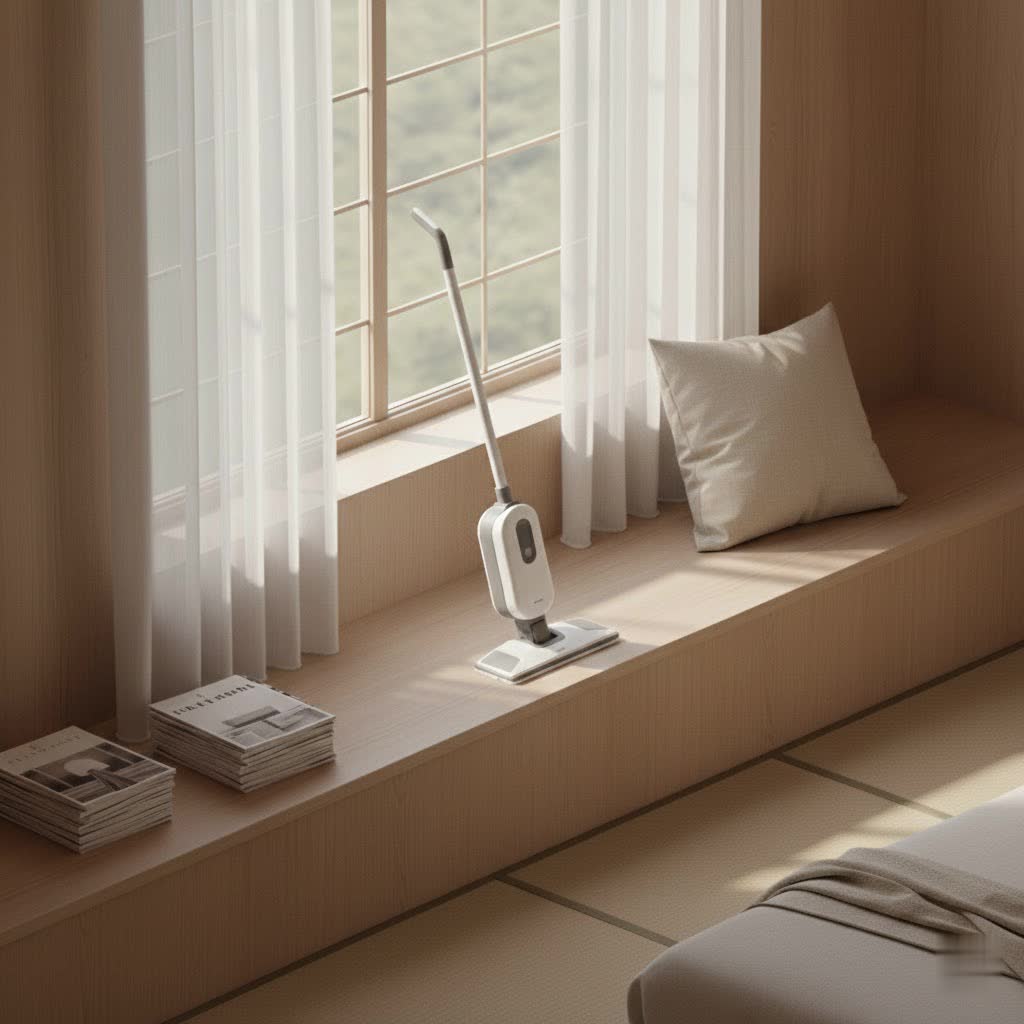
A steam mop is a floor cleaning device that utilizes high-temperature steam to clean and sanitize surfaces. Unlike traditional mops that rely on water and cleaning solutions, a steam mop heats water in a reservoir to create hot vapor. This steam is then released through a microfiber pad attached to the mop head. The intense heat and moisture from the steam work together to loosen dirt, grease, and grime, making it easier to wipe away without the need for harsh chemicals. The heated steam also effectively sanitizes surfaces by killing a high percentage of bacteria and germs.
The Benefits of Using a Steam Mop on Hardwood Floors
Using a steam mop can offer several attractive benefits for maintaining your hardwood floors, provided it’s the right type of floor and the mop is used correctly.
First and foremost, steam mops excel at effective cleaning and sanitization. The high-temperature steam penetrates and lifts stubborn dirt and grime, providing a deeper clean than conventional mopping methods. They are also highly effective at eliminating up to 99.9% of germs and bacteria on surfaces using only water, making them an excellent choice for households with pets or children where hygiene is a top priority.
Beyond their cleaning power, steam mops are an eco-friendly and chemical-free solution. They rely solely on water, producing no fumes or residues, which protects both your indoor air quality and the environment. This chemical-free approach is particularly valuable for sensitive individuals or homes aiming to reduce exposure to cleaning agents.
Moreover, steam mops are generally time-saving and effortless to use. They eliminate the need for buckets, wringing, and heavy scrubbing, transforming a tedious chore into a quicker, more convenient task. With quick heat-up times, you can often start cleaning within seconds. Finally, when used properly, steam mops can lead to quick drying times, which is crucial for hardwood floors, reducing the risk of moisture-related damage.
The Critical Question: Are Steam Mops Safe for Hardwood Floors?
This is perhaps the most important question for any homeowner considering a steam mop for their wood flooring. The answer isn’t a simple yes or no; it hinges on the type of hardwood floor you have and the way you use the steam mop.
The crucial distinction lies between sealed, unsealed, and engineered hardwood floors. Steam mops are generally considered safe only for properly sealed hardwood floors with adjustable low steam settings. The sealant acts as a protective barrier, preventing moisture from seeping into the wood. However, many major wood flooring associations and experts advise caution or even explicitly warn against using steam cleaners on hardwood floors due to the potential for damage.
Risks of improper use include:
- Water Damage: Hardwood is a porous material that readily absorbs moisture. High-heat steam can seep into cracks, seams, or areas with compromised sealant, causing the wood to swell, warp, cup, or buckle over time. This moisture can also lead to discoloration and even mold or mildew growth.
- Heat Damage: The intense heat from steam can degrade or break down the protective finish on hardwood floors. Once this layer is compromised, the underlying wood becomes vulnerable to scratches, stains, and a reduced lifespan.
- Voiding Manufacturer Warranties: Many hardwood floor manufacturers explicitly advise against using steam mops, and using one can void your floor’s warranty, leaving you unprotected against potential defects or issues.
It is not recommended to use steam mops on unsealed, waxed, or antique hardwood floors, as these are highly susceptible to moisture damage. Similarly, engineered hardwood floors should generally be avoided. While they have a real wood veneer, the core layers are often compressed fiberboard or plywood, which can delaminate or swell when exposed to excessive moisture or heat.
Before using a steam mop, always confirm your floor is sealed (a water drop test can help: if water beads, it’s sealed; if it soaks in, it’s not) and check your flooring manufacturer’s instructions. If in doubt, consult a flooring expert.
Key Factors When Choosing the Best Steam Mop for Hardwood
Selecting the right steam mop is paramount to effectively clean your hardwood floors without causing damage. Consider these key factors:
- Adjustable Steam Control: This is the most critical feature for hardwood. Look for a mop with multiple steam settings (low, medium, high) or variable control to ensure you can use the lowest possible steam output for delicate wood surfaces.
- Water Tank Capacity & Heat-up Time: A larger tank means longer cleaning sessions without refilling, which is convenient for bigger areas. Heat-up time also impacts efficiency; many models heat up in 20-30 seconds, allowing for quick starts.
- Microfiber Pads: Choose mops with soft, absorbent, and reusable microfiber pads. These are gentle on hardwood finishes and effectively trap dirt without scratching. Having multiple washable pads is a bonus for extended cleaning.
- Maneuverability: A lightweight design with a swivel mop head allows for easy navigation around furniture and into tight corners. Consider cord length; a longer cord (20-25 feet) reduces the need to frequently switch outlets. Cordless options offer ultimate freedom but require good battery life.
- Versatility & Attachments: Some steam mops convert into handheld steamers and come with various attachments for cleaning other surfaces like grout, windows, or upholstery. This can add value if you need a multi-purpose cleaner.
- Safety Features: Look for features like automatic shut-off mechanisms in case the mop tips over or runs dry, which can prevent potential damage to your floor or the appliance.
Top Steam Mop Models for Sealed Hardwood Floors
Based on extensive testing and user feedback, several steam mop models consistently stand out for their performance on sealed hardwood floors. Here’s a comparison of some top contenders:
| Product Name | Key Features for Hardwood | Pros | Cons | Price Range |
|---|---|---|---|---|
| Bissell PowerFresh Deluxe Steam Mop | Heats in 30 seconds, digital steam control (high/low), spot boost brush, scent discs, swivel steering. | Lightweight, reliable, good for daily cleaning, sanitizes effectively, safe for sealed hardwood. | Smaller tank may require refills for larger areas; some users find scent discs overpowering. | Mid-range ($100-$150) |
| Shark Genius Hard Floor Cleaning System (S6002) | Dual-sided Dirt Grip pads with touch-free release, Steam Blaster for tough messes, electronic steam control. | Strong steam output, excellent maneuverability, pads clean thoroughly, touch-free pad removal. | Can be heavier than some competitors; cord length might be a limiting factor for very large spaces. | Mid-range ($120-$180) |
| PurSteam 10-in-1 Steam Mop | Detachable handheld steamer, multiple attachments, heats in 30 seconds, lightweight. | Affordable, highly versatile for various surfaces (tiles, carpets, upholstery), lightweight and easy to carry. | Less durable with heavy daily use compared to premium models; smaller water tank. | Budget-friendly ($60-$100) |
| LIGHT ‘N’ EASY Steam Mop S3101 | Lightweight build, automatic steam control, heats in 20 seconds. | Budget-friendly, extremely quick heating, easy to maneuver for quick daily cleanups. | Small water tank requiring frequent refills; may not be as robust for heavy-duty cleaning. | Budget-friendly ($70-$120) |
| Dupray Neat Steam Cleaner | Large 50-ounce tank, 50 minutes runtime, extensive attachments, can use regular towels. | Excellent for deep cleaning, long-lasting steam output, versatile for many surfaces, durable. | Bulky canister design, longer heat-up time (around 7 minutes), hands-on pad removal process. | High-end ($180-$250) |
| eufy MACH V1 Ultra (Steam Version) | All-in-one vacuum, mop, and steam, 230°F steam, aqueous ozone for sanitization, self-cleaning. | Vacuums, mops, and steams simultaneously, removes 99.9% of germs, fast drying, convenient self-cleaning. | Premium price point; heavier due to multi-functionality. | High-end ($400+) |
How to Use and Maintain Your Steam Mop for Optimal Hardwood Care
To ensure your hardwood floors remain beautiful and undamaged, proper usage and maintenance of your steam mop are crucial.
- Preparation is Key: Always sweep or vacuum your hardwood floors thoroughly before steam mopping. This removes loose dirt, dust, and debris that could otherwise be pushed around by the mop, potentially scratching the finish or creating streaks.
- Use Distilled Water: Always fill your steam mop’s reservoir with distilled water. Tap water contains minerals that can build up inside the mop, leading to clogs, reduced steam output, and potentially leaving mineral residue on your floors.
- Mind the Steam Settings: If your mop has adjustable steam control, select the lowest steam setting suitable for hardwood. This minimizes moisture exposure, which is vital for preventing damage.
- Keep Moving: Do not let the steam mop sit stationary on any one spot of your hardwood floor. Continuous movement ensures that no single area is exposed to excessive heat or moisture for too long, which could lead to warping or finish degradation. Glide the mop smoothly and efficiently across the surface.
- Dry Quickly: While steam mops are designed for quick drying, if you notice any lingering moisture, gently wipe the area with a dry microfiber cloth immediately to prevent water from settling into the wood.
- Clean Mop Pads Regularly: After each use, remove and wash the microfiber pads. Dirty or saturated pads can lead to streaking and reduce cleaning effectiveness. Always have spare pads available so you can switch them out during larger cleaning tasks.
- Proper Storage: After cleaning, empty any remaining water from the reservoir to prevent mineral buildup and ensure the longevity of your appliance. Store the steam mop in a dry, upright position.
“Using a steam mop on hardwood floors requires precision. Think of it like a delicate dance: keep it moving, use low steam, and ensure your floors are sealed to perfection.” — Admin, reviewmyui.com
Common Issues and Troubleshooting with Steam Mops on Hardwood
Even with the best practices, you might encounter some issues. Here’s how to address common problems:
- Steam Mop Not Producing Steam:
- Check Water Tank: Ensure the water tank is filled with distilled water.
- Heating Time: Allow adequate time for the mop to heat up. Most models take 20-60 seconds.
- Clogs: Mineral buildup can clog the steam nozzles. Refer to your manual for descaling instructions, often involving a vinegar solution (though never put vinegar in the tank for cleaning floors).
- Steam Mop Leaving Streaks or Residue:
- Dirty Pads: The most common cause is a dirty or oversaturated mop pad. Change to a fresh, clean pad.
- Mineral Buildup: If you’re not using distilled water, mineral deposits can cause streaking. Descale your mop regularly.
- Too Much Steam: Excess steam can leave a temporary wet streak. Use a lower steam setting.
- Warping or Damage to Hardwood:
- Immediate Action: If you notice any signs of warping or discoloration, stop using the steam mop immediately.
- Review Usage: Re-evaluate your technique – were you leaving the mop stationary? Was the steam setting too high?
- Floor Type: Confirm your floor is indeed sealed hardwood. If it’s unsealed or engineered, a steam mop is not suitable.
- Professional Help: For significant damage, consult a flooring professional.
Alternatives to Steam Mops for Cleaning Hardwood Floors
If you’re still hesitant about using a steam mop on your hardwood, or if your floors are unsealed or engineered, there are excellent, safer alternatives:
- Microfiber Dust Mops: For daily or frequent cleaning, a high-quality microfiber dust mop effectively captures dust, dirt, and pet hair without using any moisture, preventing scratches.
- Damp Mopping with Wood-Safe Cleaners: For a deeper clean, use a microfiber mop slightly dampened with a pH-neutral hardwood floor cleaner (such as Bona or Method). Always spray the cleaner directly onto the mop pad, not the floor, and ensure the floor dries quickly. Avoid excessive water, as the principle “water and wood do not mix” remains vital.
- Vacuuming with Soft Brush Attachments: Regular vacuuming with a vacuum cleaner equipped with a hardwood floor attachment (soft bristles, no beater bar) safely removes debris without scratching the surface.
Conclusion
Choosing the Best Steam Mop For Hardwood floors means balancing deep cleaning effectiveness with the utmost care for your valuable flooring. While steam mops offer a chemical-free, sanitizing, and efficient way to clean, their suitability hinges entirely on whether your hardwood is properly sealed and if you use the device with precision and caution. Always prioritize models with adjustable steam control, use distilled water, keep the mop moving, and maintain clean pads to protect your investment. If your floors are unsealed or engineered, safer alternatives like microfiber mopping with wood-specific cleaners are your best bet. By understanding the nuances and making an informed choice, you can enjoy beautifully clean, sanitized hardwood floors for years to come. What step will you take today to ensure your hardwood floors receive the care they deserve?
Frequently Asked Questions
Can steam mops damage hardwood floors?
|
Our Picks for the Best Steam Mop in 2026
As an Amazon Associate I earn from qualifying purchases.
|
||
| Num | Product | Action |
|---|---|---|
| 1 | KLONA Portable Steam Cleaner, Hand Held steamers for cleaning house, Home Multi Purpose - 10-Piece Accessory Kit for Sofa, Upholstery, Carpets |

|
| 2 | Steam Mop, Steam Cleaner with 400ML Water Tank, 2 Washable Pads, 23FT Power Cable floor steamer, Detachable Steam Mops for sealed Hard Floors, Marble, Stone, Hardwood (Purple) |
|
| 3 | Shark SteamSpot Steam Mop with Steam Blaster Technology, 3 Steam Modes, 2 Washable Pads, XL Removable Water Tank, Lightweight, Steam Cleaner for sealed Hard Floors, Hardwood, Tile, Laminate, S2001 |
|
| 4 | 11-in-1 Steam Mop - Detachable Handheld Steam Cleaner with 380mL Tank, 260℉ Floor Steamer for Hardwood, Tile, Grout, Windows, Bath & Kitchen - 3-Level Steam Control, Multi-Purpose Floor Steam Cleaner |
|
| 5 | Bissell Power Fresh Steam Mop with Natural Sanitization, Floor Steamer, Tile Cleaner, and Hard Wood Floor Cleaner with Flip-Down Easy Scrubber, 1940A |
|
| 6 | Shark Steam & Scrub Steam Mop, All-in-One Scrubbing and Sanitizing Hard Floor Cleaner, LED Headlights, 4 Dirt Grip Soft Scrub Pads Included, XL Water Tank, Swivel Steering, Hawaiian Grey, S8001 |
|
| 7 | Pressurized Handheld Steam Cleaner for Home Deep Cleaning, Multi-Purpose Portable Steamer for Cleaning with 11 PCS Accessories for Dirt, Grease, Window, Car, Furniture, Bathroom, Couch, Tile and Grout |
|
| 8 | Steam Mop - 11-in-1 Steam Cleaner for Home with 15.2 OZ Water Tank & 23FT Power Cord, Detachable Steam Mops for Floor Cleaning MultiPurpose Steamer for Hardwood, Tile, Furniture with 11 Accessories |
|
| 9 | Shark Steam Mop with 2 Machine Washable Dirt Grip Pads, Removable Water Tank, Lightweight, Steam Cleaner for sealed Hard Floors, Marble, Stone, Hardwood, Tile, Laminate, White/Seafoam, S1000 |
|
| 10 | Shark Steam Pocket Mop with 2 Washable Double-sided Pads, Steam Sanitization, Swivel Steering, Lightweight, Steam Cleaner for Sealed Hard Floors, Hardwood, Marble, Tile, Purple, S3501 |
|
Yes, steam mops can damage hardwood floors if used improperly, particularly on unsealed or engineered wood. Excessive moisture and heat can cause warping, swelling, discoloration, and degrade the finish, potentially voiding manufacturer warranties. Always ensure your floor is sealed and use the lowest steam setting.
What is the best steam mop for engineered hardwood?
Many experts advise caution or against using steam mops on engineered hardwood due to the risk of delamination. However, if your manufacturer approves it and you proceed with extreme care, models like the Bissell PowerFresh Deluxe and Shark Genius are often cited as options for sealed engineered hardwood when used on low steam settings.
How often should I steam mop hardwood floors?
It’s generally recommended to steam mop sealed hardwood floors no more than once a month to prevent excessive moisture exposure. For daily cleaning, a dry microfiber mop is safer. Always monitor your floor’s condition and adjust frequency based on foot traffic and manufacturer guidelines.
Is steam cleaning better than regular mopping for hardwood?
For properly sealed hardwood, steam cleaning can be more hygienic as it sanitizes without chemicals, killing 99.9% of germs. However, traditional damp mopping with a pH-neutral wood cleaner is often considered gentler and safer for older or more delicate wood, or if you’re unsure about your floor’s sealant integrity.
Do I need a special cleaner with a steam mop for hardwood floors?
No, you should only use distilled water in most steam mops to avoid mineral buildup and protect your appliance. Adding cleaning solutions, especially those not specifically designed for steam mops, can damage your hardwood finish or the mop itself. The steam alone provides the cleaning and sanitizing power.
