Walking into a home with sparkling, pristine tile floors instantly elevates the space, signaling cleanliness and care. Yet, maintaining that gleam can feel like a never-ending battle against dirt, grime, and the stubborn buildup that loves to settle in grout lines. If you’ve ever spent hours scrubbing, only to be disappointed by lingering residue or dull finishes, it’s time to discover the game-changing power of a steam mop. Forget harsh chemicals and endless elbow grease; steam mops are revolutionizing how we approach tile floor cleaning. This comprehensive guide, crafted by an expert with over a decade in home cleaning appliances, will unveil everything you need to know to choose, use, and cherish the best steam mop for your tile floors, ensuring they look impeccably clean and truly sanitized.
What is a Steam Mop and How Does it Work?
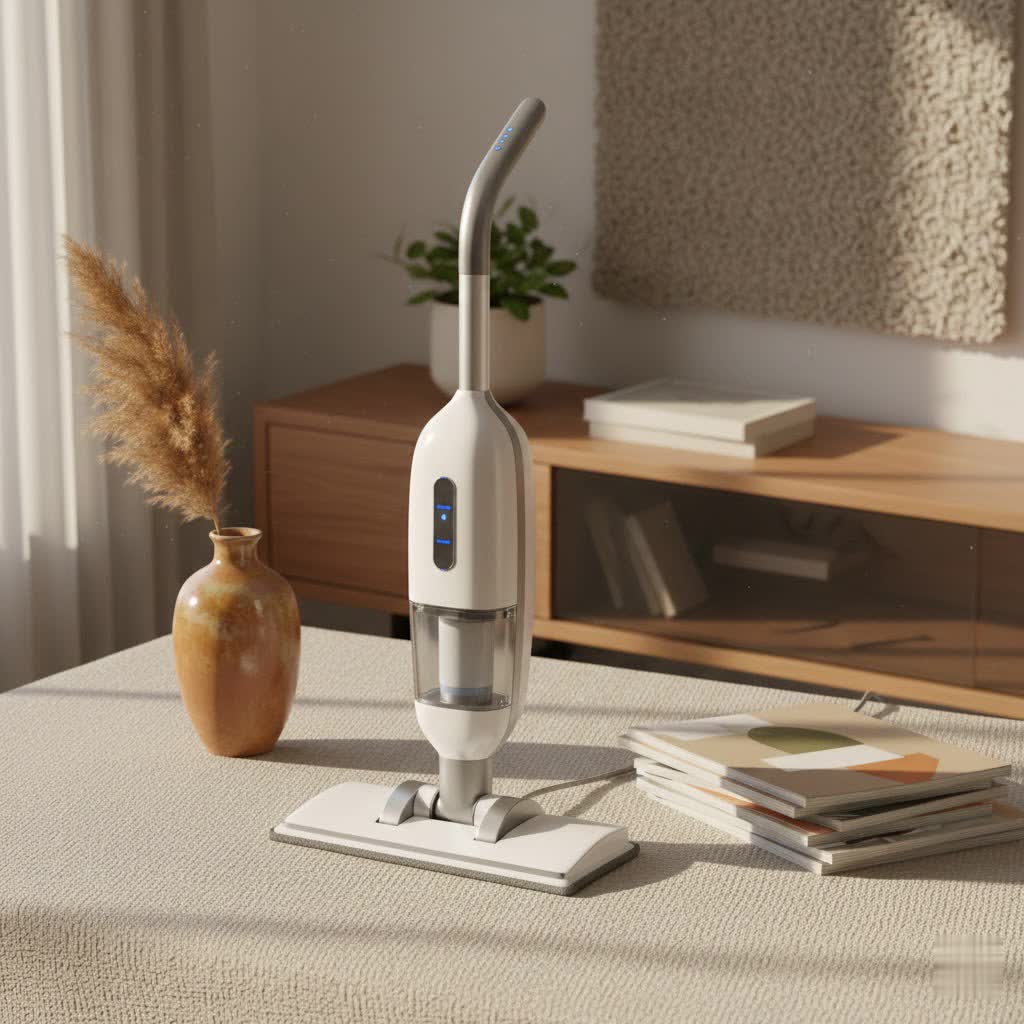
At its core, a steam mop is an innovative cleaning appliance designed to sanitize and deep-clean surfaces using only heated water vapor. Unlike traditional mops that merely spread dirt around with water and chemicals, a steam mop heats water in an internal reservoir to produce high-temperature steam. This superheated steam is then emitted through a mop head or nozzle, penetrating the pores of tile and grout to loosen embedded dirt, grease, and grime. The heat also effectively kills up to 99.9% of bacteria, germs, and viruses on contact, offering a level of sanitization traditional mopping can’t match. Once the steam has done its work, the dirt and moisture are absorbed by a microfiber pad attached to the mop head, leaving your floors clean and quickly dry.
The Benefits of Using a Steam Mop on Tile Floors
Using a steam mop for your tile floors offers a multitude of advantages that go beyond superficial cleaning. It’s a method that promises a deeper, healthier, and more efficient clean for your home.
Firstly, the most compelling benefit is effective sanitization and germ elimination. The high temperature of the steam is powerful enough to kill a vast majority of bacteria, viruses, and mold spores that reside on your tile surfaces and within grout lines. This makes your home a safer environment, especially for households with children, pets, or individuals with sensitivities.
Secondly, steam cleaning is an eco-friendly and chemical-free approach. It relies solely on water, eliminating the need for harsh detergents, bleaches, and other chemical cleaners that can be toxic to breathe, leave residues, or be harmful to pets and the environment. This means no sticky floors or chemical fumes.
Thirdly, steam mops excel at deep cleaning, particularly for stubborn grout. Grout lines are notorious for trapping dirt and discoloration. The penetrating power of steam can effectively lift embedded grime from these porous areas, restoring the original color and brightness of your grout without requiring vigorous scrubbing or specialized chemical cleaners.
Additionally, steam mops contribute to a healthier living environment by removing allergens and pet odors. Microscopic irritants like dust mite waste are effectively eliminated, and the high heat can kill fleas and their larvae, offering relief for allergy sufferers and pet owners. The restoration of your floor’s appearance, bringing back its original luster and shine, is also a significant aesthetic benefit. Finally, the sheer efficiency and time-saving aspect of steam mopping cannot be overstated. With fast heat-up times and the ability to cut through messes quickly, it drastically reduces the time and effort typically associated with deep cleaning tile floors.
Types of Steam Mops Suitable for Tile
The market offers several types of steam mops, each with slightly different designs and functionalities, but all capable of delivering a powerful steam clean to your tile floors.
- Steam Mop (Stick Mop) dạng cây: This is the most common and recognizable type, resembling an upright vacuum cleaner. It’s ideal for cleaning large areas of floor quickly and efficiently. These models typically have a fixed mop head, though some may swivel for better maneuverability. They are lightweight, easy to store, and provide continuous steam for floor cleaning.
- Steam Mop cầm tay (Handheld Steamers): While not exclusively for floors, many versatile steam mop systems include a detachable handheld unit. These are excellent for targeted cleaning of specific tile areas like shower walls, kitchen backsplashes, or even stubborn grout lines with a brush attachment. They offer concentrated steam power for tough spots.
- Steam Mop đa năng (2-in-1, 3-in-1, or Lift-Off models): These mops combine the functionality of a stick steam mop with a detachable handheld steamer. This versatility allows you to clean both large floor areas and tackle smaller, above-floor tasks such as countertops, windows, and fixtures without needing a separate device. For tile floors, these are particularly useful for cleaning both the tiles themselves and the intricate grout lines.
For tile floors, all three types are generally suitable, but the multi-functional or stick mops with good maneuverability and strong steam output are often preferred for overall floor cleaning. Consider the specific areas you need to clean most frequently when deciding on the best type for your home.
Steam Mops vs. Traditional Cleaning Methods for Tile
When it comes to cleaning tile floors, traditional methods like manual mopping or even vacuuming have long been the standard. However, steam mops offer distinct advantages that often make them a superior choice.
Traditional Mopping (Mop and Bucket): This method often involves pushing dirty water around, potentially leaving streaks and residue from cleaning solutions. While it can remove loose dirt, it rarely sanitizes effectively and can even spread germs rather than eliminate them. Grout lines, being porous, are particularly difficult to clean manually, often requiring intense scrubbing with brushes and strong chemicals.
Vacuuming: Excellent for removing dry debris, dust, and pet hair, vacuuming is a crucial first step for any floor cleaning. However, vacuums cannot tackle stuck-on grime, stains, or disinfect surfaces. They are preparatory tools, not deep cleaners, for tile.
Chemical Cleaners: Many traditional tile cleaners contain harsh chemicals that can be harmful to inhale, irritating to skin, and damaging to the environment. They may leave a chemical scent and sometimes a sticky residue. While effective at dissolving certain stains, they don’t always offer the deep sanitization that high-temperature steam provides, and repeated use can sometimes dull the finish of certain tiles or even degrade grout over time.
In contrast, steam mops provide a chemical-free, streak-free, and highly effective cleaning solution. The intense heat of the steam not only breaks down and lifts dirt and grime more efficiently than cold water and soap but also sanitizes the surface. This means a truly clean floor that is free from bacteria, allergens, and chemical residues, with less effort and better results, especially for embedded grout dirt.
Top Steam Mops for Tile: A Comparison Table
Choosing the right steam mop can be overwhelming with so many options available. Here’s a comparison of some of the best steam mops that excel on tile floors, based on expert testing and user reviews.
| Product Name | Brand | Price Range | Key Advantages | Potential Disadvantages | Overall Rating (1-5 Stars) |
|---|---|---|---|---|---|
| Shark Genius Steam Pocket Mop | Shark | $90-$130 | Deep clean with minimal effort, portable, touch-free pad release, effective on various tile types. | Lacks a dedicated storage stand. | ★★★★☆ |
| Bissell PowerFresh Pet Steam Mop | Bissell | $90-$160 | Most versatile with multiple attachments (lift-off handheld), great for pet messes and grout, two steam settings. | Can be pricier than basic models. | ★★★★★ |
| Hoover Steam Complete Pet Steam Mop | Hoover | $80-$110 | Very fast heat-up (5 seconds), highly effective on tile and grout, comes with 10 attachments including handheld. | Some users desire larger water tank for extensive use. | ★★★★☆ |
| PurSteam 10-in-1 Steam Mop | PurSteam | $60-$80 | Excellent value, lightweight, extremely versatile (10-in-1 functionality), good for both floors and above-floor tasks. | Might require more frequent refilling for large areas. | ★★★★☆ |
This table provides a snapshot, but individual needs and preferences should always guide your final decision. Consider what features are most important for your specific cleaning challenges.
How to Choose the Best Steam Mop for Your Tile Floors (Buying Guide)
Selecting the ideal steam mop for your tile floors requires considering several factors to ensure it meets your specific cleaning needs and floor type.
-
Understand Your Tile Type: This is paramount. Most steam mops are safe for sealed ceramic and porcelain tiles, as these materials are resistant to heat and moisture. However, unsealed, cracked, or porous tiles (like some natural stone, terracotta, or unsealed slate) should generally not be steam cleaned, as the steam can penetrate and cause damage such as cracking, peeling, or discoloration. Always check your tile manufacturer’s recommendations. For natural stone, consult the manufacturer’s instructions, and for sealed versions, proceed with caution and test an inconspicuous area first.
-
Consider Your Floor Area: For large expanses of tile, look for models with larger water tanks for longer cleaning sessions and longer power cords to avoid frequent outlet changes. For smaller spaces or frequent spot cleaning, a more compact and lightweight model might be more suitable.
-
Budget: Steam mops range widely in price. Determine how much you’re willing to invest, but remember that a higher price often correlates with more features, better durability, and stronger performance. Excellent options exist across all price points.
-
Key Features to Look For:
- Adjustable Steam Settings: Different messes and tile types may benefit from varying steam levels. This allows for more delicate cleaning or a powerful blast for tough grime.
- Heat-Up Time: A faster heat-up time means you can start cleaning sooner. Many models heat up in under 30 seconds.
- Water Tank Capacity: A larger tank means less frequent refilling, ideal for bigger homes.
- Attachments and Accessories: For cleaning grout, corners, or even converting to a handheld steamer for other surfaces, a variety of attachments (grout brushes, squeegees, concentrator nozzles) can greatly enhance versatility.
- Maneuverability: Swivel steering and a lightweight design make it easier to navigate around furniture and into tight spaces.
- Cord Length: A longer cord reduces the need to switch power outlets frequently, making cleaning more seamless.
- Pad Type: Reusable, machine-washable microfiber pads are eco-friendly and cost-effective.
Expert Advice: Don’t just pick the cheapest or most expensive option. Read user reviews specifically mentioning tile floors, and prioritize features that directly address your home’s unique cleaning challenges, especially if you have pets or heavily trafficked areas.
“A common mistake is assuming all tiles are steam-friendly. Always verify your tile type and manufacturer’s guidelines before introducing heat and moisture to prevent potential damage. Ceramic and porcelain are typically robust, but natural stone requires extra care.” – Dr. Clean, Home Appliance Technologist
Proper Usage and Maintenance for Your Tile Steam Mop
To get the best results and ensure the longevity of your steam mop, proper usage and routine maintenance are essential.
-
Pre-Clean Your Floors: Before steaming, always sweep or vacuum your tile floors thoroughly. Removing loose dirt, dust, and debris prevents these particles from being dragged across the floor by the mop pad, which can cause streaks or even scratch your tiles.
-
Use Distilled Water: To prevent mineral buildup in your steam mop’s internal components, which can reduce steam output and damage the machine over time, use distilled or demineralized water. Avoid tap water, especially in hard water areas, and never add chemical cleaning solutions, essential oils, or other additives to the water tank unless explicitly stated by the manufacturer.
-
Fill and Heat Up: Follow your mop’s instructions to fill the water tank. Once filled, plug it in and allow it to heat up completely. Most modern steam mops are ready in less than a minute.
-
Steam Clean Evenly: Glide the steam mop slowly and evenly over your tile floors. The steam needs a few seconds to penetrate and loosen dirt. Avoid letting the mop sit in one spot for too long, as this can over-saturate a small area, especially on less water-resistant surfaces. Use multiple passes for stubborn stains, holding the mop over the area for a few extra seconds.
-
Change Mop Pads Regularly: As you clean, the microfiber pad will collect dirt and grime. Change the pad when it becomes visibly soiled to avoid spreading dirt around. Having several clean pads on hand is always a good idea. Most pads are machine washable, so you can reuse them.
-
Clean Grout with Attachments: For grout lines, if your steam mop has a dedicated grout brush or concentrator nozzle, use it. The focused steam and scrubbing action will work wonders on discolored grout.
-
Allow to Dry or Wipe Down: Tile floors cleaned with a steam mop should dry quickly. For a streak-free finish, especially on glossy tiles, you might opt to wipe the floor down with a clean, dry microfiber cloth after steaming, or simply allow it to air dry.
-
Post-Use Maintenance: After each use, empty any remaining water from the reservoir (if your model allows). Remove the mop pad and wash it. Store your steam mop in a dry place. Periodically, you may need to descale the water tank or steam nozzles if you live in a hard water area, even with distilled water.
Common Steam Mop Issues and Troubleshooting Tips
Even the best steam mops can encounter occasional issues. Here are some common problems and how to troubleshoot them:
-
Steam Mop Not Producing Steam:
- Check Water Level: Ensure the water tank is filled above the minimum line.
- Heat-Up Time: Confirm the mop has had enough time to heat up. Wait for the indicator light to show it’s ready.
- Clogged Nozzle/Filter: Mineral buildup from tap water can clog the steam nozzles or internal filters. Try descaling the unit (refer to your manual for specific instructions, often involving vinegar solution) or cleaning the nozzles with a fine brush or needle.
- Kinked Hose: If it’s a canister or handheld model, check for kinks in the hose.
-
Steam Mop Leaking Water:
- Overfilled Tank: Do not overfill the water tank.
- Loose Cap: Ensure the water tank cap is securely tightened.
- Damaged Seal: A worn-out O-ring or seal in the tank or connections can cause leaks. This might require professional repair or replacement parts.
- Incorrect Assembly: Double-check that all components, especially the mop head and handle, are correctly assembled and clicked into place.
-
Steam Mop Not Cleaning Effectively or Leaving Streaks:
- Dirty Mop Pad: The most common culprit! Change your mop pad frequently when it gets dirty. A dirty pad will just spread grime.
- Pre-Cleaning Skipped: If you didn’t sweep or vacuum beforehand, loose debris will be smeared.
- Too Much Water/Slow Movement: Moving the mop too slowly can over-saturate the floor, leading to streaks, especially on shiny tiles. Maintain a steady, even pace.
- Residue from Old Cleaners: If you previously used chemical cleaners, there might be old residue that the steam is lifting, causing temporary streaking. Multiple steam cleaning sessions should eventually remove this.
- Using Tap Water: Mineral deposits can contribute to streaking. Switch to distilled water.
-
Damage to Floors (e.g., dulling, warping):
- Incorrect Tile Type: This usually happens when a steam mop is used on unsealed, porous, or delicate tile types not suitable for steam. Always verify compatibility.
- Excessive Moisture/Heat: Leaving the mop stationary for too long can expose a concentrated area to too much heat and moisture. Keep the mop moving.
- Grout Needs Resealing: Steam cleaning can sometimes accelerate the need to reseal grout, particularly if it’s old or poorly sealed.
For persistent issues, always consult your steam mop’s user manual, as it often provides model-specific troubleshooting steps and contact information for customer support or warranty claims.
Conclusion
Choosing the best steam mop for your tile floors is an investment in a cleaner, healthier, and more effortless home. By understanding how these powerful tools work, recognizing their numerous benefits, and selecting a model tailored to your specific needs, you can transform your tile cleaning routine. From sanitizing surfaces without harsh chemicals to revitalizing dull grout, a quality steam mop delivers a deep clean that traditional methods often can’t match. Remember to prioritize floor compatibility, consider versatile features, and maintain your device properly to enjoy sparkling, streak-free tile floors for years to come. What will be the first area you tackle with your new steam mop?
Frequently Asked Questions
Can I use a steam mop on all types of tile floors?
|
Our Picks for the Best Steam Mop in 2026
As an Amazon Associate I earn from qualifying purchases.
|
||
| Num | Product | Action |
|---|---|---|
| 1 | Shark SteamSpot Steam Mop with Steam Blaster Technology, 3 Steam Modes, 2 Washable Pads, XL Removable Water Tank, Lightweight, Steam Cleaner for sealed Hard Floors, Hardwood, Tile, Laminate, S2001 |

|
| 2 | KLONA Portable Steam Cleaner, Hand Held steamers for cleaning house, Home Multi Purpose - 10-Piece Accessory Kit for Sofa, Upholstery, Carpets |
|
| 3 | Shark Steam & Scrub Steam Mop, All-in-One Scrubbing and Sanitizing Hard Floor Cleaner, LED Headlights, 4 Dirt Grip Soft Scrub Pads Included, XL Water Tank, Swivel Steering, Hawaiian Grey, S8001 |
|
| 4 | Steam Mop, Steam Cleaner with 400ML Water Tank, 2 Washable Pads, 23FT Power Cable floor steamer, Detachable Steam Mops for sealed Hard Floors, Marble, Stone, Hardwood (Purple) |
|
| 5 | Shark Steam Pocket Mop with 2 Washable Double-sided Pads, Steam Sanitization, Swivel Steering, Lightweight, Steam Cleaner for Sealed Hard Floors, Hardwood, Marble, Tile, Purple, S3501 |
|
| 6 | Shark Steam Mop with 2 Machine Washable Dirt Grip Pads, Removable Water Tank, Lightweight, Steam Cleaner for sealed Hard Floors, Marble, Stone, Hardwood, Tile, Laminate, White/Seafoam, S1000 |
|
| 7 | Bissell Power Fresh Steam Mop with Natural Sanitization, Floor Steamer, Tile Cleaner, and Hard Wood Floor Cleaner with Flip-Down Easy Scrubber, 1940A |
|
| 8 | 11-in-1 Steam Mop - Detachable Handheld Steam Cleaner with 380mL Tank, 260℉ Floor Steamer for Hardwood, Tile, Grout, Windows, Bath & Kitchen - 3-Level Steam Control, Multi-Purpose Floor Steam Cleaner |
|
| 9 | Steam Mop - 11-in-1 Steam Cleaner for Home with 15.2 OZ Water Tank & 23FT Power Cord, Detachable Steam Mops for Floor Cleaning MultiPurpose Steamer for Hardwood, Tile, Furniture with 11 Accessories |
|
| 10 | Pressurized Handheld Steam Cleaner for Home Deep Cleaning, Multi-Purpose Portable Steamer for Cleaning with 11 PCS Accessories for Dirt, Grease, Window, Car, Furniture, Bathroom, Couch, Tile and Grout |
|
No, while steam mops are safe for most sealed ceramic and porcelain tiles, they are generally not recommended for unsealed, cracked, or porous tiles like some natural stone, as the steam and moisture can cause damage. Always check your tile manufacturer’s guidelines first.
Do I need to use cleaning solutions with a steam mop?
No, one of the key benefits of steam mops is that they clean and sanitize using only water. Adding chemical cleaning solutions or other additives is not necessary and can even damage your machine or leave residue on your floors. Use distilled water to prevent mineral buildup.
How often should I steam clean my tile floors?
The frequency depends on traffic and how quickly your floors get dirty. For high-traffic areas or homes with pets and children, weekly steam cleaning can maintain hygiene. For lighter use, bi-weekly or monthly deep cleaning might suffice. Regular sweeping or vacuuming between steam sessions is always recommended.
