Stepping onto pristine, gleaming tile floors is a satisfying feeling, isn’t it? But achieving that sparkling clean without endless scrubbing or harsh chemicals can feel like a daunting task. If you’re a homeowner with tile floors, you’ve likely sought an easier, more effective way to maintain their beauty and hygiene. Enter the steam mop – a revolutionary cleaning tool that harnesses the natural power of steam to transform your tile cleaning routine. This comprehensive guide will delve into everything you need to know about choosing and using the best steam mop to keep your tile floors spotless, sanitized, and shining with minimal effort.
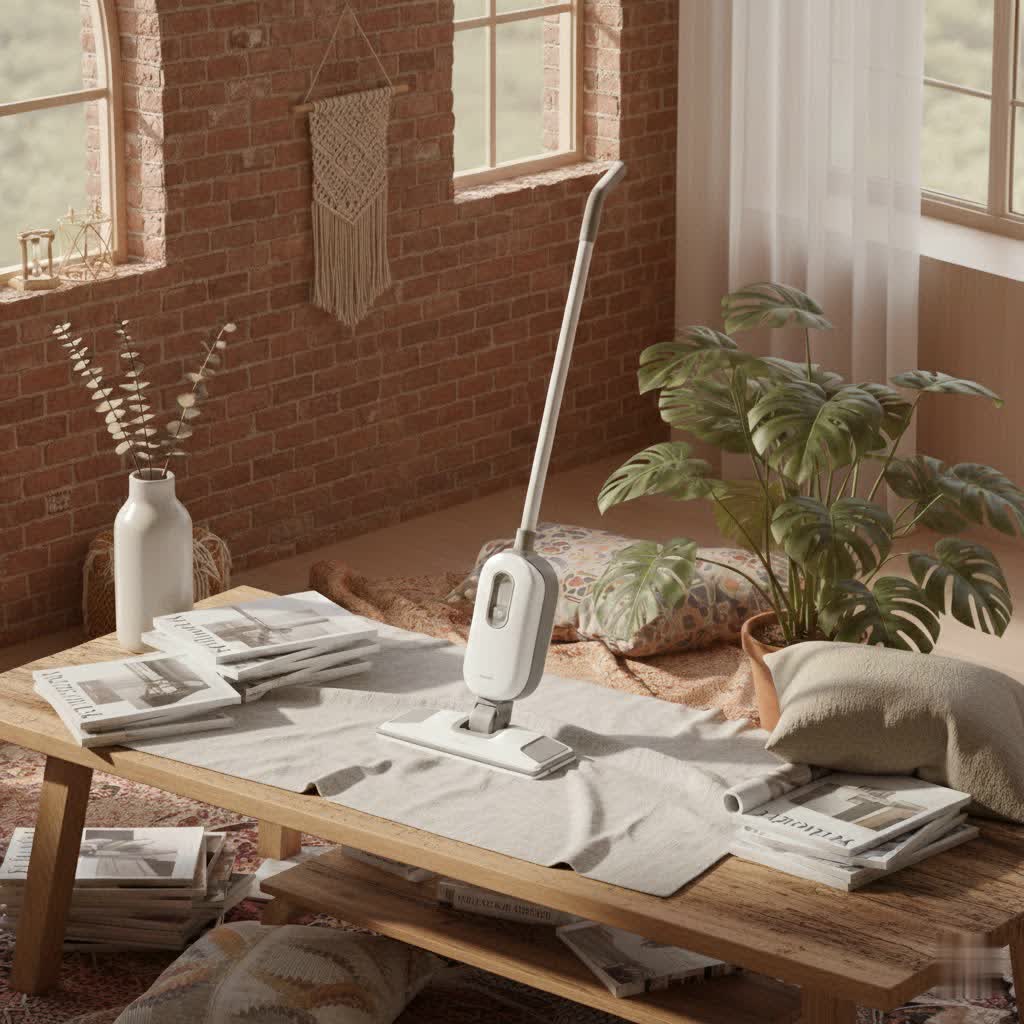
What is a Steam Mop and How Does It Work?
A steam mop is an innovative floor cleaning device that uses heated water to produce high-temperature steam. This steam is then emitted through a cleaning head, typically covered with a microfiber pad, to effectively loosen dirt, grime, and even stubborn stains from hard surfaces. Unlike traditional mops that rely on water and cleaning solutions, steam mops use pure water, making them an environmentally friendly and chemical-free cleaning option.
The basic principle involves a water reservoir within the mop, which heats water to temperatures often exceeding 200°F (93°C). This superheated vapor is then released onto the floor, penetrating the microscopic pores of your tiles and grout. The heat and moisture work together to break down and lift away embedded dirt, grease, and bacteria, which are then absorbed by the microfiber pad. The concept of steam cleaning has evolved significantly, moving from bulky canister units to sleek, easy-to-maneuver upright mops, and even versatile 2-in-1 models that include detachable handheld steamers for multi-surface cleaning.
Benefits of Using a Steam Mop
Embracing a steam mop for your tile floors offers a wealth of advantages over conventional cleaning methods, making it a valuable addition to any home.
- Effective Cleaning and Sanitization: The high-temperature steam is incredibly effective at dissolving tough dirt and grime, ensuring a deeper clean than traditional mopping. Many steam mops are capable of killing up to 99.9% of bacteria, germs, and dust mites on surfaces, providing a hygienic environment without the need for chemical disinfectants. This is particularly beneficial for households with children, pets, or allergy sufferers.
- Time and Effort Saving: Steam mops typically heat up quickly and require less physical effort than scrubbing floors on your hands and knees. The steam quickly loosens messes, allowing you to glide the mop across the floor with ease. Plus, with minimal water residue, floors dry much faster, reducing streaks and allowing you to resume normal activity sooner.
- Eco-Friendly and Chemical-Free: One of the most significant benefits is the reliance on just water. This eliminates the need for harsh chemical cleaners, reducing your exposure to potentially harmful substances and minimizing chemical runoff into the environment. It’s a sustainable choice for a healthier home and planet.
- Versatility on Multiple Surfaces: While excellent for tile, many modern steam mops, especially those with detachable handheld units and various attachments, can clean a wide range of surfaces beyond floors. These can include countertops, stovetops, shower walls, windows, grout lines, and even freshen carpets, making them a truly multi-purpose cleaning tool.
Popular Types of Steam Mops on the Market
The steam mop market offers a variety of designs, each with its unique advantages. Understanding the different types can help you choose the best fit for your home and cleaning habits.
- Stick Steam Mops: These are the most common and resemble a stick vacuum. They are lightweight, easy to maneuver, and ideal for quick cleanups and regular floor maintenance. Their compact design makes them easy to store. However, their water tank capacity is usually smaller, requiring more frequent refills for larger areas.
- Handheld Steam Mops: Compact and portable, these steamers are designed for targeted cleaning tasks rather than large floor areas. They excel at cleaning grout, fixtures, upholstery, and small spills. Some stick mops feature a “lift-off” or detachable handheld unit, offering the best of both worlds.
- 2-in-1 and 3-in-1 Multi-functional Steam Mops: These versatile models combine the benefits of stick mops with a detachable handheld steamer. This allows you to effortlessly transition from cleaning floors to tackling above-floor messes like shower tiles, countertops, and appliances with specialized attachments. Some advanced models may even integrate vacuuming capabilities for a true all-in-one solution.
- Canister Steam Cleaners: Larger and more powerful, canister steam cleaners often have a greater water capacity and longer continuous steam time. They are excellent for heavy-duty cleaning tasks and larger homes, and come with a wide array of attachments for a variety of surfaces. However, they are typically less nimble than stick mops and require more storage space.
When comparing types, consider the primary use. For dedicated tile floor cleaning with occasional grout touch-ups, a stick or 2-in-1 model might be perfect. For extensive multi-surface cleaning, a full canister system offers maximum versatility and power.
Steam Mop vs. Traditional Cleaning Methods
Let’s break down how steam mopping stacks up against common cleaning alternatives, particularly for tile floors.
- Compared to Manual Mopping with Bucket and Water: Traditional mopping often involves sloshing dirty water around, which can push grime into grout lines and leave streaks. It’s also physically demanding and requires chemicals. A steam mop, on the other hand, uses fresh, hot steam to lift dirt into a clean pad, sanitizing as it goes and leaving less moisture behind for a faster, streak-free dry.
- Compared to Vacuum Cleaners: Vacuum cleaners are excellent for removing loose dirt, dust, and debris, which is an essential first step before steam mopping. However, they don’t clean or sanitize the surface itself or effectively tackle stuck-on grime and stains. Steam mops are designed for the deep cleaning and sanitization that vacuums cannot provide. Some advanced machines combine both vacuuming and steaming for ultimate efficiency.
- Compared to Chemical Cleaners: Steam mops eliminate the need for chemical cleaning solutions entirely. While chemicals can be effective, they leave residues, can be harmful to pets and children, and contribute to indoor air pollution. Steam provides a powerful, natural clean using only water, making it a healthier and safer choice for your home and family.
Comparison Table: Best Steam Mops for Tile Floors
Choosing the right steam mop for your tile floors means looking at models that offer strong steam output, effective grout cleaning capabilities, and durability. Here’s a comparison of some top-rated steam mops known for their performance on tiles:
| Product Name | Brand | Price Range | Pros | Cons | Rating (1-5 stars) |
|---|---|---|---|---|---|
| PurSteam 10-in-1 Steam Mop | PurSteam | $60-$80 | Versatile (handheld mode), lightweight, quick heat-up, good for sealed floors and various surfaces | Smaller water tank, some report less powerful steam for very tough grout without attachments. | 4.5 |
| Bissell PowerFresh Pet Steam Mop | Bissell | $90-$120 | Excellent on tile and grout, effective on pet messes, includes scent discs, lift-off handheld unit | No wheels, corded, some attachments may feel superfluous for just floors. | 4.7 |
| Hoover Steam Complete Pet Steam Mop | Hoover | $80-$110 | Heats up quickly (5 seconds), great for tile and grout, many attachments (grout brush included) | May push around chunkier dirt, trigger for steam can be tedious for continuous use. | 4.6 |
| Reliable Steamboy 300CU Steam Floor Mop | Reliable | $120-$150 | Triangular swivel head for corners, includes scrubber brush for grout, stands on its own. | Anti-scale cartridge replacement can be tricky, some users desire more steam power. | 4.4 |
| Shark S1000 Steam Mop | Shark | $40-$60 | Affordable, straightforward, easy setup, lightweight, good for everyday cleaning on sealed floors | One heat setting, lacks versatility of 2-in-1 models, not ideal for very stubborn stains. | 4.3 |
Note: Prices are approximate and can vary based on retailer and promotions.
Buying Guide: How to Choose the Right Steam Mop for Your Tile Floors
Selecting the perfect steam mop involves considering your specific needs and the characteristics of your tile floors. Here are the key factors to evaluate:
- Type of Tile and Grout:
- Sealed Ceramic and Porcelain Tiles: These are generally excellent candidates for steam mopping. The high heat and moisture effectively clean both the tile surface and the grout.
- Natural Stone Tiles (e.g., Marble, Granite, Slate): Exercise caution. While steam can clean these, some natural stones are porous and can be damaged by excessive heat or moisture, potentially leading to discoloration or erosion. Always check your tile manufacturer’s recommendations and test in an inconspicuous area.
- Unsealed Tiles or Grout: Avoid using a steam mop on unsealed tiles or grout. The steam can penetrate and cause significant damage or lead to mold issues. Ensure your tiles are properly sealed before using a steam mop.
- Area to be Cleaned:
- Small to Medium Areas: A lightweight stick steam mop with a smaller water tank (12-15 oz) might be sufficient.
- Large Areas: Opt for models with larger water tanks (20 oz or more) or canister steam cleaners to minimize refills. A long power cord (18-25 feet) is also crucial for covering extensive spaces without constantly switching outlets.
- Budget: Steam mops range from budget-friendly basic models (under $60) to high-end, multi-functional systems ($150+). Determine your budget and balance it with the features you need.
- Additional Features:
- Multiple Steam Settings: Adjustable steam levels allow you to customize the cleaning power for different messes and floor types.
- Attachments: Look for models with specialized attachments like grout brushes, scraper tools, or small detail brushes for deep cleaning grout lines and hard-to-reach spots.
- Detachable Handheld Steamer: A 2-in-1 design greatly increases versatility, allowing you to clean more than just floors.
- Quick Heat-Up Time: A mop that heats up in under 30 seconds saves time.
- Maneuverability and Head Design: A swivel head, especially triangular or low-profile designs, helps clean around furniture and into corners effectively.
- Cord Length: Longer cords offer greater cleaning radius.
- Self-Standing Feature: Convenient for pauses during cleaning.
Expert Advice: Always read user reviews, especially those from other tile floor owners, to gauge real-world performance. Check the manufacturer’s warranty and instructions for your specific flooring to ensure steam mopping won’t void it. Choosing a reputable brand known for durability and customer support is always a wise decision.
How to Use and Maintain Your Steam Mop Correctly
Proper usage and regular maintenance are key to maximizing your steam mop’s effectiveness and extending its lifespan.
How to Use Your Steam Mop:
- Pre-Clean the Floor: Before you even plug in your steam mop, thoroughly sweep or vacuum your tile floors. This critical step removes loose dirt, dust, and debris. Skipping this can cause the mop to simply push grime around, creating streaks or even scratching your tiles.
- Fill the Water Tank: Use only distilled water in your steam mop’s reservoir. Tap water, especially in hard water areas, can lead to mineral buildup (limescale) that clogs the steam jets and reduces performance over time. Never add chemical cleaning solutions, scented oils, or detergents to the water tank unless the manufacturer explicitly states it’s designed for them, as this can damage the internal components.
- Attach a Clean Mop Pad: Secure a fresh, clean microfiber pad to the mop head. Have several pads on hand, especially for larger cleaning jobs, so you can swap them out as they get dirty.
- Heat Up the Mop: Plug in the steam mop and wait for it to heat up, indicated by a light or sound. This usually takes between 15 seconds to a minute, depending on the model.
- Steam Clean the Floor: Slowly glide the steam mop across your tile floor in overlapping passes. The slow movement allows the steam adequate time to penetrate and loosen the dirt. For stubborn stains or heavily soiled grout lines, hold the mop over the spot for a few extra seconds, or use a specific grout attachment if your model has one.
- Rinse and Dry: Periodically check and replace the mop pad as it becomes saturated with dirt. Once you’ve finished cleaning, allow the floor to air dry. Steam mops leave very little moisture, so drying time is typically quick. For an extra streak-free shine, you can wipe the floor with a clean, dry microfiber cloth.
How to Maintain Your Steam Mop:
- Clean Mop Pads Regularly: After each use, remove and wash the microfiber pads. Most are machine washable; check the manufacturer’s instructions.
- Empty and Clean Water Tank: Always empty any remaining water from the reservoir after use. This prevents stagnation and mineral buildup. If your tank is removable, you might rinse it out occasionally.
- Descaling (if applicable): If you notice a decrease in steam output or if you’ve had to use tap water, your mop may need descaling. Some models have a descaling feature or cartridge; otherwise, a vinegar solution (check manual first) can help break down mineral deposits.
- Store Properly: Store your steam mop upright in a dry place. Ensure the cord is neatly wrapped to prevent damage.
Common Steam Mop Problems and How to Fix Them
Even the best steam mops can encounter minor issues. Here are some common problems and straightforward troubleshooting steps:
- Steam Mop Not Producing Steam:
- Check Water Level: Ensure the water tank is filled to the appropriate level.
- Check for Clogs: Mineral buildup can block steam jets. Try descaling your mop using distilled white vinegar (if recommended by the manufacturer) or a commercial descaling solution.
- Allow Heat-Up Time: Make sure the mop has had sufficient time to heat up after being plugged in.
- Power Connection: Verify the mop is securely plugged into a working outlet.
- Steam Mop Leaks Water:
- Overfilled Tank: Do not overfill the water reservoir.
- Loose Connections: Check that all parts, especially the water tank and mop head, are securely attached.
- Damaged Seals: If leakage persists, there might be a damaged seal, which may require professional repair or replacement.
- Steam Mop Not Cleaning Effectively / Leaving Streaks:
- Pre-Clean Thoroughly: Always vacuum or sweep before steaming to remove loose debris that can cause streaking.
- Change Mop Pads: A dirty or saturated mop pad will spread dirt around. Use fresh, clean pads.
- Use Distilled Water: Tap water often contains minerals that can leave streaks. Distilled water prevents this.
- Slow Down: Moving the mop too quickly doesn’t give the steam enough time to work. Glide slowly over surfaces.
- Test on Inconspicuous Area: Always test a small area first to ensure your mop and technique are suitable for your specific tile.
For persistent issues, always consult your steam mop’s user manual or contact the manufacturer’s customer support. Attempting complex repairs yourself could void your warranty.
Conclusion
Choosing the best steam mop for your tile floors is an investment in a cleaner, healthier, and more convenient home. These powerful appliances offer deep cleaning and sanitization without the use of harsh chemicals, making them a superior choice for maintaining the beauty and hygiene of your tiled surfaces. By understanding the different types, considering essential features like water tank capacity and attachments, and following proper usage and maintenance guidelines, you can effortlessly achieve sparkling, streak-free tile floors that enhance the overall appeal of your living space. Say goodbye to the bucket and chemical cleaners, and embrace the power of steam for a truly transformative cleaning experience.
What are you waiting for? Elevate your tile cleaning routine and discover the remarkable difference a quality steam mop can make in your home today!
Frequently Asked Questions
Can I use a steam mop on all types of tile floors?
|
Our Picks for the Best Steam Mop in 2026
As an Amazon Associate I earn from qualifying purchases.
|
||
| Num | Product | Action |
|---|---|---|
| 1 | Steam Mop, Steam Cleaner with 400ML Water Tank, 2 Washable Pads, 23FT Power Cable floor steamer, Detachable Steam Mops for sealed Hard Floors, Marble, Stone, Hardwood (Purple) |

|
| 2 | Bissell Power Fresh Steam Mop with Natural Sanitization, Floor Steamer, Tile Cleaner, and Hard Wood Floor Cleaner with Flip-Down Easy Scrubber, 1940A |
|
| 3 | Shark Steam & Scrub Steam Mop, All-in-One Scrubbing and Sanitizing Hard Floor Cleaner, LED Headlights, 4 Dirt Grip Soft Scrub Pads Included, XL Water Tank, Swivel Steering, Hawaiian Grey, S8001 |
|
| 4 | 11-in-1 Steam Mop - Detachable Handheld Steam Cleaner with 380mL Tank, 260℉ Floor Steamer for Hardwood, Tile, Grout, Windows, Bath & Kitchen - 3-Level Steam Control, Multi-Purpose Floor Steam Cleaner |
|
| 5 | Shark Steam Pocket Mop with 2 Washable Double-sided Pads, Steam Sanitization, Swivel Steering, Lightweight, Steam Cleaner for Sealed Hard Floors, Hardwood, Marble, Tile, Purple, S3501 |
|
| 6 | Steam Mop - 11-in-1 Steam Cleaner for Home with 15.2 OZ Water Tank & 23FT Power Cord, Detachable Steam Mops for Floor Cleaning MultiPurpose Steamer for Hardwood, Tile, Furniture with 11 Accessories |
|
| 7 | KLONA Portable Steam Cleaner, Hand Held steamers for cleaning house, Home Multi Purpose - 10-Piece Accessory Kit for Sofa, Upholstery, Carpets |
|
| 8 | Pressurized Handheld Steam Cleaner for Home Deep Cleaning, Multi-Purpose Portable Steamer for Cleaning with 11 PCS Accessories for Dirt, Grease, Window, Car, Furniture, Bathroom, Couch, Tile and Grout |
|
| 9 | Shark Steam Mop with 2 Machine Washable Dirt Grip Pads, Removable Water Tank, Lightweight, Steam Cleaner for sealed Hard Floors, Marble, Stone, Hardwood, Tile, Laminate, White/Seafoam, S1000 |
|
| 10 | Shark SteamSpot Steam Mop with Steam Blaster Technology, 3 Steam Modes, 2 Washable Pads, XL Removable Water Tank, Lightweight, Steam Cleaner for sealed Hard Floors, Hardwood, Tile, Laminate, S2001 |
|
Steam mops are generally safe for sealed ceramic, porcelain, and many sealed natural stone tiles. However, they should not be used on unsealed tiles, unsealed grout, or certain delicate natural stones like marble or limestone, as the heat and moisture can cause damage. Always verify with your flooring manufacturer’s warranty.
Do steam mops really kill bacteria and germs?
Yes, most steam mops claim to kill up to 99.9% of bacteria, germs, and dust mites on surfaces using high-temperature steam alone, without any chemicals. This makes them an excellent choice for sanitizing floors in homes with children, pets, or individuals with allergies.
Why does my steam mop leave streaks on my tile floors?
Streaks are often caused by dirty mop pads, moving the mop too quickly, or mineral deposits from using tap water. To prevent streaks, always pre-vacuum your floors, use clean microfiber pads, glide the mop slowly, and use distilled water to avoid mineral residue.
How often should I steam mop my tile floors?
The frequency depends on traffic. For high-traffic areas like kitchens, daily or every other day might be beneficial. For moderate-traffic areas, once a week is usually sufficient. In low-traffic areas like guest rooms, monthly steam cleaning can maintain cleanliness.
Can I put cleaning solutions or essential oils in my steam mop?
Unless your steam mop is specifically designed to use cleaning solutions, you should only use distilled water. Adding chemicals or essential oils can damage the internal components, clog the jets, and potentially void your warranty. The hot steam itself is sufficient for cleaning and sanitizing.
