Maintaining the pristine beauty of your hardwood floors is a rewarding yet often challenging task. While the allure of chemical-free, deep cleaning with a steam mop is undeniable, homeowners often wonder if these powerful tools are truly safe for their precious wood surfaces. The good news is, with the right knowledge and a discerning eye for specific features, a steam mop can be a valuable addition to your cleaning arsenal, offering sanitization and shine without harsh chemicals. This comprehensive guide will navigate the world of steam mops, helping you understand their mechanics, benefits, potential risks, and ultimately, how to choose and use the best model for your sealed wood floors.
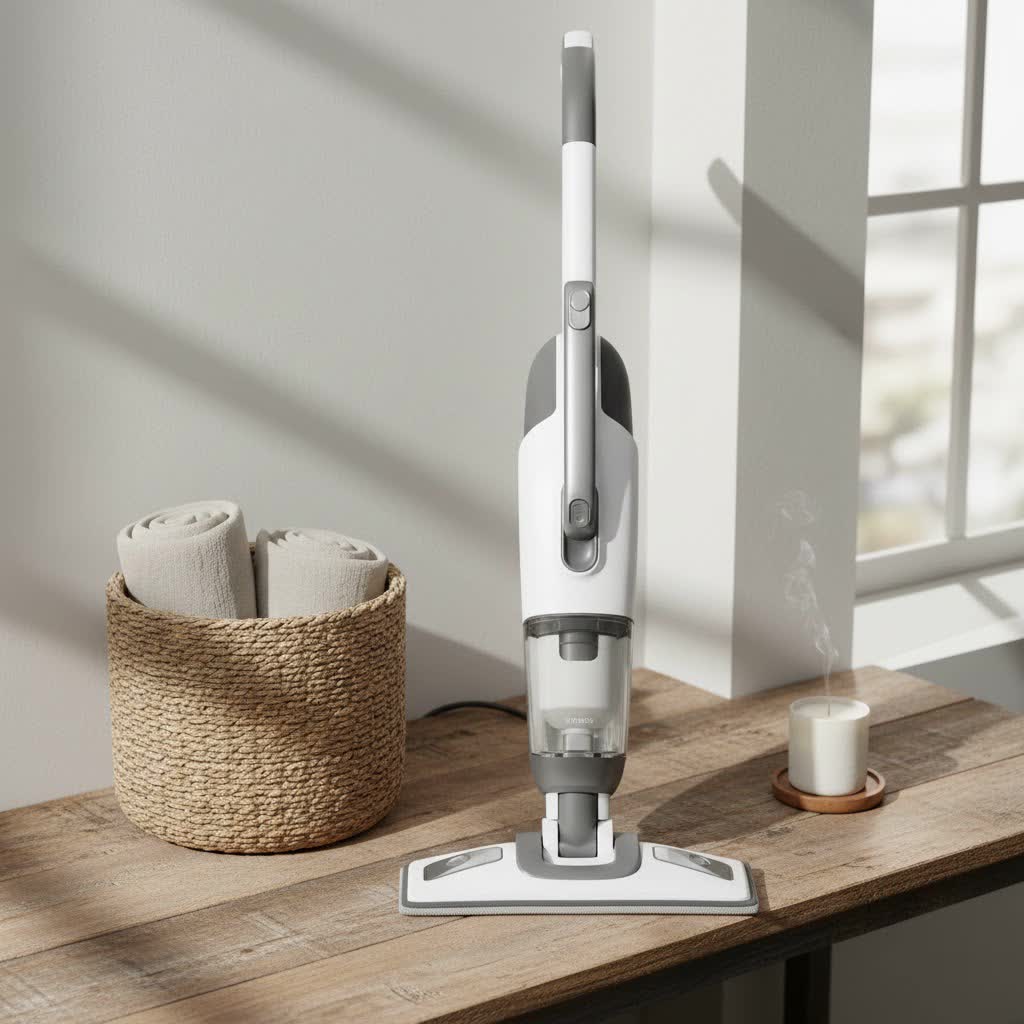
What is a Steam Mop and How Does It Work?
A steam mop is an innovative cleaning appliance designed to sanitize and clean hard floors using only heated water. It operates by heating water from a reservoir to high temperatures, typically between 120 to over 200 degrees Fahrenheit, producing hot steam. This steam is then directed onto a microfiber pad attached to the mop head. The high temperature of the steam helps to loosen dirt, grime, and sticky messes, while also killing 99.9% of common household bacteria and germs without the need for chemical detergents. As the mop glides across the floor, the microfiber pad absorbs the lifted dirt and moisture, leaving surfaces clean and often dry within moments.
The core principle behind a steam mop’s effectiveness lies in its ability to harness thermal energy. Water, once heated to steam, expands rapidly, carrying significant energy. When this superheated vapor comes into contact with a surface, it penetrates pores and crevices, breaking down the bonds that hold dirt, grease, and other contaminants to the floor. This makes it a highly effective tool for deep cleaning and sanitization, especially for those seeking an eco-friendly alternative to chemical-laden cleaners.
The Benefits of Using a Steam Mop (With Caution on Wood Floors)
When used appropriately, steam mops offer several compelling advantages over traditional cleaning methods, which can extend to sealed wood floors. One of the most significant benefits is the ability to sanitize surfaces using only water, eliminating the need for harsh chemicals that can be harmful to pets, children, and the environment. This chemical-free approach ensures your home remains a healthier living space.
Moreover, steam mops are often lauded for their quick-drying capabilities. Because they use minimal moisture in the form of steam rather than soaking wet pads, floors dry rapidly, reducing the risk of slips and allowing you to resume normal activities sooner. They are also highly effective at removing stubborn grime and dried-on messes that traditional mopping might struggle with, often leaving floors streak-free and sparkling. The convenience of a steam mop, with its quick heat-up time and easy maneuverability, can also significantly cut down on cleaning time and effort compared to wrestling with a bucket and traditional mop.
Are Steam Mops Safe for Hardwood Floors? Understanding the Debate
The question of whether steam mops are safe for hardwood floors is a subject of considerable debate among manufacturers, flooring professionals, and homeowners alike. The primary concern revolves around the interaction of heat and moisture with wood, which can lead to damage.
On one side, many steam mop manufacturers and some cleaning experts assert that steam mops can be safely used on sealed hardwood floors. They emphasize that modern steam mops, especially those with adjustable steam settings or “ultra dry steam” technology, produce very little residual moisture. When used correctly—meaning quick passes, low steam settings, and high-quality microfiber pads—they argue that the risk of damage is minimal, while the sanitizing benefits are significant. “Dry steam actually contains less than 5% water and will NOT damage sealed wood,” states one manufacturer, highlighting the importance of using a microfiber cloth to insulate steam and retain excess moisture.
However, a strong cautionary stance is taken by many flooring associations, independent experts, and some wood care companies. Organizations like the National Wood Floor Association (NWFA) and the World Floor Covering Association (WFCA) often warn against using steam cleaners on hardwood floors. They point out that even sealed floors can be susceptible to damage. The heat and moisture from steam can potentially break down the protective finish over time, allowing moisture to seep into the wood, leading to swelling, warping, buckling, or discoloration. Furthermore, many hardwood floor warranties explicitly exclude damage caused by moisture and heat, meaning using a steam mop could void your warranty. Unsealed or improperly sealed hardwood floors are particularly vulnerable to this type of damage. Therefore, it is absolutely critical to verify your floor’s sealing and consult your flooring manufacturer’s guidelines before using a steam mop.
Key Features to Look for in a Steam Mop for Wood Floors
When selecting a steam mop for your cherished wood floors, prioritizing specific features can significantly mitigate the risk of damage while maximizing cleaning effectiveness. The goal is to minimize moisture exposure and heat dwell time.
- Adjustable Steam Settings: This is arguably the most crucial feature. A mop with variable steam control allows you to select a low-steam setting specifically for delicate surfaces like wood. This ensures minimal moisture is released, reducing the risk of water damage.
- Quick Heat-Up and Dry Steam Technology: Mops that heat up rapidly and produce “dry steam” (steam with very low water content) are preferable. Faster drying times mean less moisture lingering on your wood, which is vital for preventing warping.
- High-Quality Microfiber Pads: Look for mops with thick, absorbent microfiber pads. These pads are essential for capturing dirt and absorbing excess moisture quickly, preventing it from soaking into your floor. Having multiple washable pads is a bonus, allowing you to change them frequently.
- Lightweight and Maneuverable Design: A lightweight mop that glides easily is important, as it encourages continuous movement, preventing steam from concentrating in one spot. Swivel steering also aids in easy navigation around furniture and into corners.
- Removable Water Tank: While not directly impacting safety for wood, a removable water tank simplifies the refilling process, making the mop more convenient to use and encouraging regular cleaning.
Popular Steam Mop Types for Hardwood Care
Steam mops come in various designs, each offering different advantages. For hardwood floor care, understanding these types can help you choose a model best suited to minimize risk and maximize results.
- Stick Steam Mops (Upright): These are the most common type, resembling a traditional mop. They are lightweight, easy to store, and generally simple to operate. Many modern stick steam mops feature adjustable steam settings, making them suitable for sealed hardwood floors when used on a low setting. Their ease of use makes them ideal for quick daily clean-ups.
- Handheld Steamers (often 2-in-1 or Lift-Off): While primarily designed for smaller tasks like cleaning grout, counters, or garments, many stick steam mops incorporate a detachable handheld unit. This versatility can be useful for spot cleaning on wood floors with extreme caution and minimal steam, but the primary floor cleaning should still be done with the mop head.
- Canister Steam Cleaners: These are more powerful and typically feature a separate water tank/boiler unit on wheels, connected to a hose and various attachments, including a floor tool. Canister steamers often produce hotter, drier steam and have larger water capacities, meaning longer cleaning times without refills. While more expensive and bulky, some high-end canister models with specialized floor tools and precise steam control can be excellent for sealed hardwood, as they allow for very controlled moisture application.
When considering any type for wood floors, the emphasis remains on models with precise steam control and efficient moisture absorption through quality pads.
Steam Mop vs. Traditional Cleaning Methods for Wood Floors
Comparing steam mops with traditional cleaning methods for wood floors reveals distinct pros and cons, particularly concerning chemical use, effectiveness, and potential risks.
- Steam Mop vs. Manual Wet Mopping: Traditional wet mopping often involves a bucket of water and a standard mop. This method can leave excessive moisture on floors, which is a major concern for wood. It also frequently involves chemical cleaners, leaving behind residues and sometimes streaks. Steam mops, by contrast, use far less water (as steam) and no chemicals, sanitizing effectively and drying much faster, often without streaks. However, the heat from steam is an added factor that traditional wet mopping lacks, posing a unique risk if not managed carefully on wood.
- Steam Mop vs. Sweeping/Vacuuming: Sweeping and vacuuming are essential first steps for any wood floor cleaning regimen, removing loose dirt and debris without introducing moisture. A steam mop is a sanitizing and deep-cleaning tool, not a substitute for initial dry cleaning. Using a steam mop on a dusty floor can smear dirt rather than remove it.
- Steam Mop vs. Wood Floor Cleaners: Many specialized wood floor cleaners are designed to be pH-neutral and gentle on finishes. They are applied with a damp (not wet) microfiber mop. These cleaners are a very safe option, as they avoid both excessive moisture and high heat. While effective for cleaning, they typically do not offer the high-temperature sanitization that a steam mop provides. For heavy-duty sanitization without chemicals, a carefully used steam mop can offer an advantage, provided the floor is suitable.
Ultimately, a multi-faceted approach is often best for wood floors: regular sweeping/vacuuming, occasional cleaning with a manufacturer-approved wood floor cleaner for routine messes, and very cautious and infrequent steam cleaning on sealed wood floors for deep sanitization, always adhering to guidelines to minimize moisture.
Top Steam Mops for Sealed Hardwood Floors: A Comparison Guide
Choosing the right steam mop for sealed hardwood floors involves balancing cleaning power with features that protect delicate wood. Here’s a comparison of some models known for their performance and suitability for such surfaces, keeping in mind the necessity of careful use.
| Product Name | Brand | Price Range | Pros | Cons | Rating (1-5 Stars) |
|---|---|---|---|---|---|
| Euroflex Vapour Pro M4S | Euroflex | $$$ | Ultra Dry Steam technology, excellent for hardwood, quick drying, strong sanitization | Higher price point, specialized pads | 4.5 |
| Shark S6002 Genius | Shark | $$ | Touch-free pad attachment/release, adjustable steam settings, effective cleaning, quick heat-up | Smaller water tank capacity, pads may stain over time | 4.3 |
| Bissell PowerFresh | Bissell | $$ | Variable steam levels, easy scrubber brush for tough spots, affordable, often includes scent discs | Some models lack an “ultra dry” feature, may feel slightly heavy | 4.2 |
| Dupray Neat Steam Cleaner | Dupray | $$$ | Canister design for powerful, drier steam, large water tank, versatile with many attachments | Bulkier and heavier, longer heat-up time than stick mops, higher initial investment | 4.6 |
| PurSteam 10-in-1 | PurSteam | $ | Very affordable, versatile (converts to handheld), good value, heats quickly | Steam output may be less controlled on lower-end models, pads might wear faster | 4.0 |
Note: Price ranges are approximate ($: under $100, $$: $100-$200, $$$: $200+). Prices and ratings can vary based on retailer and specific model year.
How to Choose the Right Steam Mop for Your Wood Floors (Buying Guide)
Selecting the ideal steam mop for your home, especially when dealing with wood floors, requires careful consideration of several factors beyond just brand and price. Making an informed decision will help protect your investment and ensure effective cleaning.
- Assess Your Floor Type and Condition: This is paramount. A steam mop should only be considered for sealed hardwood floors that are in good condition, without gaps, cracks, or lifting planks. If your floors are unsealed, waxed, or old, a steam mop is not recommended. Always check for signs of wear in the sealant before use.
- Consider Your Cleaning Area: For smaller spaces or quick touch-ups, a lightweight stick steam mop with easy maneuverability might be sufficient. If you have extensive wood flooring and require longer cleaning sessions without refilling, a model with a larger water tank, possibly a canister steamer, would be more practical.
- Budget: Steam mops range widely in price. Determine how much you’re willing to invest, keeping in mind that higher-priced models often offer more advanced features like precise steam control, better build quality, and specialized “dry steam” technology, which are beneficial for wood floors.
- Essential Features: Prioritize adjustable steam settings, quick heat-up time, and robust, absorbent microfiber pads. These features directly impact the safety and effectiveness on wood.
- Read Reviews and Check Warranties: Always read user reviews, paying close attention to feedback from other hardwood floor owners. Most critically, consult your hardwood floor manufacturer’s warranty. Many warranties are voided by the use of steam mops, regardless of the mop’s claims. This due diligence can save you from costly repairs down the line.
“For hardwood floors, selecting a steam mop isn’t just about cleaning power; it’s about control. Variable steam settings and quick-drying capabilities are non-negotiables to protect your investment.” – Dr. Eleanor Vance, Hardwood Floor Care Specialist
Essential Tips for Using and Maintaining Your Steam Mop on Wood Floors
Proper usage and maintenance are crucial when steam cleaning hardwood floors to ensure effectiveness and prevent damage. Following these guidelines will help extend the life of both your mop and your floors.
- Preparation is Key: Always sweep or vacuum your hardwood floors thoroughly before steam cleaning. This removes loose dirt, dust, and debris, preventing them from being pushed around or smearing on the floor by the steam mop.
- Use the Lowest Steam Setting: If your steam mop has adjustable settings, always opt for the lowest steam output for hardwood floors. The goal is to clean with minimal moisture.
- Keep Moving: Never let the steam mop sit stationary on any part of your wood floor, even for a few seconds. Constant, continuous movement prevents steam from concentrating in one area, which could lead to moisture penetration and damage.
- Work in the Direction of the Grain: Mop along the grain of your wood floors. This often provides a more effective clean and can help prevent streaks.
- Use Clean, Absorbent Pads: Have several clean microfiber pads on hand. Change them as soon as they become visibly dirty to avoid smearing grime around and to ensure maximum absorbency of moisture. Wash pads according to manufacturer instructions.
- Use Distilled Water: To prevent mineral buildup in your steam mop and ensure optimal performance, especially in hard water areas, use distilled water in the reservoir.
- Regular Maintenance: After each use, empty any remaining water from the reservoir. Allow the mop to cool completely before storing. Regularly clean or replace the microfiber pads.
- Store Properly: Ensure your steam mop is completely dry before storing it to prevent mold or mildew.
Common Steam Mop Issues and Troubleshooting
Even the best steam mops can encounter occasional issues. Knowing how to troubleshoot common problems can save you time and frustration.
- Steam Mop Not Producing Steam:
- Check Water Tank: Ensure the water tank is filled to the appropriate level.
- Blocked Nozzle/Filter: Mineral buildup (from hard water) can block the steam nozzle. Try using distilled water to prevent this. Some mops have a descaling feature or a filter that needs cleaning/replacement.
- Not Heated Up: The mop might not have reached its operating temperature. Allow sufficient heat-up time.
- Power Issue: Ensure the mop is properly plugged in and the power outlet is functional.
- Steam Mop Leaking Water:
- Overfilled Tank: Do not overfill the water tank.
- Loose Connections: Check that all components, especially the water tank, are securely attached.
- Damaged Seal/Gasket: If seals are worn or damaged, water can leak. This may require professional repair or replacement parts.
- Saturated Pad: A completely saturated microfiber pad might not absorb moisture effectively, leading to drips. Change the pad.
- Steam Mop Not Cleaning Effectively:
- Dirty Pad: A dirty pad will just spread grime. Change it frequently.
- Insufficient Steam: Ensure you’re using an appropriate steam setting for the mess. If the mop is clogged, refer to the “not producing steam” troubleshooting.
- Pre-Cleaning: Remember to vacuum or sweep the floor thoroughly before steam mopping. Steam mops are for maintenance and sanitization, not heavy debris removal.
- Too Fast: Moving the mop too quickly might not give the steam enough time to work. Slow down your passes, especially on stubborn spots.
For persistent issues, always consult your steam mop’s owner’s manual or contact the manufacturer’s customer support.
Conclusion
Choosing the “best” steam mop for wood floors is less about finding a single perfect product and more about informed decision-making and cautious application. While steam mops offer significant benefits like chemical-free sanitization and quick drying, their use on hardwood floors, particularly unsealed or damaged ones, carries inherent risks of moisture and heat damage. For sealed hardwood floors in good condition, a steam mop with adjustable steam settings, high-quality microfiber pads, and a lightweight design can be a valuable tool for deep, hygienic cleaning.
The key lies in understanding your specific floor type, prioritizing features that minimize moisture exposure, strictly adhering to usage guidelines, and, critically, reviewing your flooring manufacturer’s warranty. By approaching steam cleaning with knowledge and care, you can maintain the beautiful, healthy environment your wood floors deserve. Have you experienced any specific challenges or successes using steam mops on your hardwood floors?
Frequently Asked Questions
Are steam mops truly safe for all types of wood floors?
|
Our Picks for the Best Steam Mop in 2026
As an Amazon Associate I earn from qualifying purchases.
|
||
| Num | Product | Action |
|---|---|---|
| 1 | Shark Steam Mop with 2 Machine Washable Dirt Grip Pads, Removable Water Tank, Lightweight, Steam Cleaner for sealed Hard Floors, Marble, Stone, Hardwood, Tile, Laminate, White/Seafoam, S1000 |

|
| 2 | Shark Steam Pocket Mop with 2 Washable Double-sided Pads, Steam Sanitization, Swivel Steering, Lightweight, Steam Cleaner for Sealed Hard Floors, Hardwood, Marble, Tile, Purple, S3501 |
|
| 3 | KLONA Portable Steam Cleaner, Hand Held steamers for cleaning house, Home Multi Purpose - 10-Piece Accessory Kit for Sofa, Upholstery, Carpets |
|
| 4 | 11-in-1 Steam Mop - Detachable Handheld Steam Cleaner with 380mL Tank, 260℉ Floor Steamer for Hardwood, Tile, Grout, Windows, Bath & Kitchen - 3-Level Steam Control, Multi-Purpose Floor Steam Cleaner |
|
| 5 | Pressurized Handheld Steam Cleaner for Home Deep Cleaning, Multi-Purpose Portable Steamer for Cleaning with 11 PCS Accessories for Dirt, Grease, Window, Car, Furniture, Bathroom, Couch, Tile and Grout |
|
| 6 | Bissell Power Fresh Steam Mop with Natural Sanitization, Floor Steamer, Tile Cleaner, and Hard Wood Floor Cleaner with Flip-Down Easy Scrubber, 1940A |
|
| 7 | Steam Mop - 11-in-1 Steam Cleaner for Home with 15.2 OZ Water Tank & 23FT Power Cord, Detachable Steam Mops for Floor Cleaning MultiPurpose Steamer for Hardwood, Tile, Furniture with 11 Accessories |
|
| 8 | Steam Mop, Steam Cleaner with 400ML Water Tank, 2 Washable Pads, 23FT Power Cable floor steamer, Detachable Steam Mops for sealed Hard Floors, Marble, Stone, Hardwood (Purple) |
|
| 9 | Shark Steam & Scrub Steam Mop, All-in-One Scrubbing and Sanitizing Hard Floor Cleaner, LED Headlights, 4 Dirt Grip Soft Scrub Pads Included, XL Water Tank, Swivel Steering, Hawaiian Grey, S8001 |
|
| 10 | Shark SteamSpot Steam Mop with Steam Blaster Technology, 3 Steam Modes, 2 Washable Pads, XL Removable Water Tank, Lightweight, Steam Cleaner for sealed Hard Floors, Hardwood, Tile, Laminate, S2001 |
|
No, steam mops are generally only recommended for sealed hardwood floors that are in good condition. They are not safe for unsealed, waxed, or damaged wood floors, as the heat and moisture can cause warping, swelling, discoloration, and strip finishes. Always verify your floor’s sealant and consult the flooring manufacturer.
How often can I use a steam mop on my sealed hardwood floors?
It’s advisable to use a steam mop on sealed hardwood floors infrequently, if at all, and only for deep cleaning or sanitization. For regular maintenance, sweeping, vacuuming, and damp mopping with a wood-safe cleaner are generally safer and sufficient. Excessive use, even on sealed floors, can potentially degrade the finish over time.
What features should I prioritize in a steam mop if I have wood floors?
For wood floors, prioritize a steam mop with adjustable steam settings (to use the lowest output), quick heat-up time, and thick, absorbent microfiber pads. A lightweight and maneuverable design also helps prevent steam from dwelling in one spot, reducing moisture exposure.
Can steam mops void my hardwood floor warranty?
Yes, many hardwood floor manufacturers’ warranties specifically exclude damage caused by moisture and heat. Using a steam mop on your floors could potentially void your warranty, leaving you responsible for any damage. Always review your specific flooring warranty before using a steam mop.
What kind of water should I use in my steam mop?
It is highly recommended to use distilled water in your steam mop. This prevents mineral buildup (limescale) from hard water, which can clog the internal mechanisms of the mop, reduce steam output, and potentially cause damage or streaks on your floors.
