Tired of pushing dirty water around with a traditional mop, or constantly battling stubborn floor grime? A Good Steam Mop might be the game-changer your cleaning routine needs. These innovative devices harness the power of superheated steam to sanitize and deep clean various surfaces, all without a drop of harsh chemicals. As an Admin with over a decade of experience in home cleaning equipment, especially steam mops, I’ve seen hundreds of models come and go. This guide distills that expertise, offering you comprehensive insights and honest advice to help you find the perfect steam mop for your home.
What is a Steam Mop and How Does It Work?
|
Our Picks for the Best Steam Mop in 2026
As an Amazon Associate I earn from qualifying purchases.
|
||
| Num | Product | Action |
|---|---|---|
| 1 | Shark Steam & Scrub Steam Mop, All-in-One Scrubbing and Sanitizing Hard Floor Cleaner, LED Headlights, 4 Dirt Grip Soft Scrub Pads Included, XL Water Tank, Swivel Steering, Hawaiian Grey, S8001 |

|
| 2 | Shark SteamSpot Steam Mop with Steam Blaster Technology, 3 Steam Modes, 2 Washable Pads, XL Removable Water Tank, Lightweight, Steam Cleaner for sealed Hard Floors, Hardwood, Tile, Laminate, S2001 |
|
| 3 | Steam Mop - 11-in-1 Steam Cleaner for Home with 15.2 OZ Water Tank & 23FT Power Cord, Detachable Steam Mops for Floor Cleaning MultiPurpose Steamer for Hardwood, Tile, Furniture with 11 Accessories |
|
| 4 | Pressurized Handheld Steam Cleaner for Home Deep Cleaning, Multi-Purpose Portable Steamer for Cleaning with 11 PCS Accessories for Dirt, Grease, Window, Car, Furniture, Bathroom, Couch, Tile and Grout |
|
| 5 | Steam Mop, Steam Cleaner with 400ML Water Tank, 2 Washable Pads, 23FT Power Cable floor steamer, Detachable Steam Mops for sealed Hard Floors, Marble, Stone, Hardwood (Purple) |
|
| 6 | Shark Steam Pocket Mop with 2 Washable Double-sided Pads, Steam Sanitization, Swivel Steering, Lightweight, Steam Cleaner for Sealed Hard Floors, Hardwood, Marble, Tile, Purple, S3501 |
|
| 7 | 11-in-1 Steam Mop - Detachable Handheld Steam Cleaner with 380mL Tank, 260℉ Floor Steamer for Hardwood, Tile, Grout, Windows, Bath & Kitchen - 3-Level Steam Control, Multi-Purpose Floor Steam Cleaner |
|
| 8 | Shark Steam Mop with 2 Machine Washable Dirt Grip Pads, Removable Water Tank, Lightweight, Steam Cleaner for sealed Hard Floors, Marble, Stone, Hardwood, Tile, Laminate, White/Seafoam, S1000 |
|
| 9 | KLONA Portable Steam Cleaner, Hand Held steamers for cleaning house, Home Multi Purpose - 10-Piece Accessory Kit for Sofa, Upholstery, Carpets |
|
| 10 | Bissell Power Fresh Steam Mop with Natural Sanitization, Floor Steamer, Tile Cleaner, and Hard Wood Floor Cleaner with Flip-Down Easy Scrubber, 1940A |
|
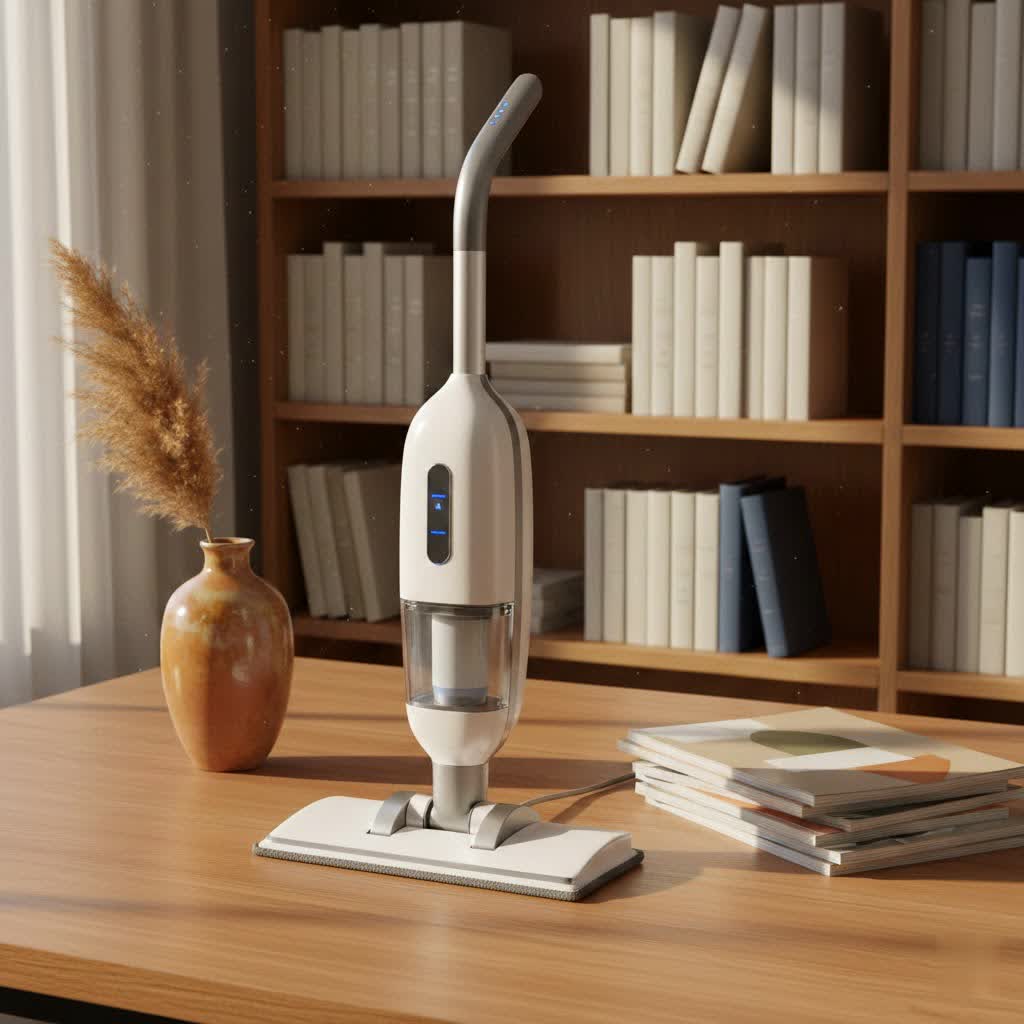
At its core, a steam mop is an electric cleaning tool that uses hot water vapor to purify and disinfect surfaces. The process is remarkably simple yet highly effective. Inside the device, a water tank heats ordinary tap water to temperatures typically around 212°F (100°C) or even up to 250°F (121°C), turning it into steam. This hot steam is then released through a cleaning pad at the mop’s base, which you glide across the floor.
The science behind steam cleaning is straightforward: the intense heat and moisture from the steam work to loosen dirt, grease, and grime on a microscopic level. This powerful action not only breaks down visible messes but also penetrates deep into surface pores to eliminate bacteria, viruses, mold, and dust mites on contact, achieving a deep level of sanitization. Unlike traditional mopping, where you might inadvertently spread dirty water, a steam mop continuously applies fresh, hot steam, and its microfiber pads absorb the dissolved dirt, leaving your floors sparkling clean and often streak-free.
The concept of using steam for cleaning has been around for some time, with the technology evolving to create more compact, efficient, and versatile household appliances. Early versions might have been clunky, but modern steam mops are designed for ease of use, quick heat-up times, and effective cleaning across a variety of sealed hard surfaces.
Benefits of Using a Steam Mop
Switching to a steam mop offers a multitude of advantages that can transform your home cleaning experience:
- Effective Cleaning and Sanitization: Steam mops provide a deep clean that goes beyond surface-level dirt. The high-temperature steam dissolves embedded dirt, grease, and residue that traditional methods might miss. Crucially, steam effectively kills up to 99.9% of household bacteria, viruses, mold, and dust mites using only water, making it an ideal choice for homes with children, pets, or allergy sufferers.
- Chemical-Free Cleaning: One of the most significant benefits is the elimination of harsh cleaning chemicals. Steam mops require only water, making them an environmentally friendly and safer option for your family and pets. This reduces indoor air pollution and eliminates concerns about chemical residues on your floors.
- Time and Effort Savings: Steam mops heat up quickly, often in under 30 seconds, and don’t require the cumbersome process of filling and refilling heavy buckets of dirty water. They glide across floors with minimal effort, reducing back-breaking scrubbing and wringing, thereby cutting down total cleaning time. Surfaces also tend to dry much faster compared to traditional mopping, which means less waiting around.
- Versatility and Multi-Surface Use: While primarily known for floors, many modern steam mops, especially those with detachable handheld units and various attachments, can clean a surprising array of surfaces. They can tackle sealed ceramic and porcelain tiles, vinyl, laminate, and sealed hardwood floors. Beyond floors, they can be used to refresh carpets, sanitize upholstery, clean kitchen countertops and appliances, disinfect bathroom tiles and grout, and even steam wrinkles out of clothing.
- Cost-Effective in the Long Run: Although the initial investment might be higher than a traditional mop and bucket, steam mops can be more economical over time. They don’t require continuous purchases of expensive cleaning solutions, relying instead on reusable, machine-washable microfiber pads.
Popular Types of Steam Mops on the Market
The market for steam mops has diversified to meet various cleaning needs. Understanding the different types can help you choose the best fit:
- Steam Mop (Upright/Stick Mop): These are the most common type, resembling a stick vacuum. They are designed primarily for floor cleaning, offering ease of maneuverability and storage. Many have swivel heads to navigate around furniture. They are great for everyday maintenance and quick sanitization of hard floors.
- Handheld Steam Cleaner: Compact and portable, these units are typically smaller and used for targeted cleaning tasks, such as sanitizing bathroom fixtures, kitchen counters, grout lines, and steaming fabrics. Some upright steam mops feature a detachable handheld unit for added versatility.
- 2-in-1 or Multi-purpose Steam Mop: These versatile devices combine the upright steam mop function with a detachable handheld steamer. This allows users to seamlessly switch between cleaning floors and tackling above-floor tasks like scrubbing grout, cleaning windows with a squeegee, or refreshing upholstery. Many come with a variety of attachments for specialized cleaning.
- Canister Steam Cleaner: These are often larger, heavy-duty machines with a separate water tank (canister) on wheels, connected to a steam hose and various cleaning tools. They offer powerful, continuous steam output and larger water capacities, making them ideal for extensive cleaning jobs, garages, or even commercial use. However, they can be less convenient to maneuver than upright models.
Each type has its own set of advantages. Upright steam mops are convenient for daily floor cleaning, while multi-purpose or canister models offer more extensive cleaning capabilities for various surfaces throughout the home.
Steam Mop vs. Traditional Cleaning Methods
The choice between a steam mop and traditional cleaning methods often comes down to efficiency, hygiene, and environmental impact.
- Compared to Manual Mopping:
- Hygiene: Steam mops are generally more hygienic as the high-temperature steam effectively kills germs and bacteria without chemicals, which a regular mop and bucket might not achieve. With a traditional mop, you’re often reusing dirty water, potentially spreading microbes. Steam mops, however, use fresh steam and have washable pads.
- Effectiveness: Steam mops excel at breaking down stubborn dirt, grease, and dried spills with remarkable speed due to the heat. While traditional mopping can remove loose dirt, it often struggles with stuck-on grime unless significant scrubbing and harsh chemicals are used.
- Effort & Time: Steam mops save significant effort by eliminating heavy buckets and manual wringing. They are faster to set up and use, and floors dry quickly.
- Chemical Use: Steam mops use only water, making them a chemical-free alternative, unlike traditional mops that often rely on detergents.
- Compared to Vacuum Cleaners:
- Vacuum cleaners are excellent for removing dry dirt, dust, and debris from both hard floors and carpets using suction. However, they do not sanitize or remove sticky messes or stains.
- Some advanced models, like wet/dry vacuum mops, combine vacuuming with mopping, often using hot water for a deeper clean, but they are distinct from steam mops which use vapor for sanitization. Steam mops typically require prior sweeping or vacuuming to remove loose debris for optimal performance.
- Compared to Chemical Cleaners:
- Steam mops eliminate the need for chemical cleaning products, which can leave residues, produce fumes, and pose risks to health and the environment. This is particularly beneficial for allergy sufferers or homes with children and pets.
While traditional mops are affordable and good for large liquid spills, steam mops offer superior sanitization, efficiency, and an eco-friendly approach for everyday and deep cleaning of sealed hard surfaces.
Comparison Table of Popular Steam Mop Features
Here’s a generalized comparison of features often found in good steam mops, drawing from various models praised for their performance:
| Feature/Model Type | Upright Steam Mop (e.g., Shark S1000) | Multi-Purpose Steam Mop (e.g., Bissell PowerFresh Slim 3-in-1, PurSteam 10-in-1) | Canister Steam Cleaner (e.g., Dupray Neat Steam Cleaner) |
|---|---|---|---|
| Primary Use | Floor cleaning | Floors + above-floor cleaning | Heavy-duty cleaning, wide range of surfaces |
| Versatility | Low (mostly floors) | Medium-High (with detachable handheld & attachments) | Very High (many attachments, continuous powerful steam) |
| Heat-Up Time | Fast (30 seconds to 1 minute) | Fast (30 seconds to 1 minute) | Longer (5-12 minutes for full tank) |
| Water Tank | Small to Medium, fixed or removable | Medium, often removable | Large (up to 54 oz), on wheels, sometimes removable |
| Steam Output | Continuous or on-demand, adjustable | Continuous or on-demand, adjustable | Powerful, continuous, pressurized |
| Maneuverability | High (lightweight, swivel head) | High (lightweight, swivel head, handheld for tight spots) | Medium (canister on wheels, lighter wand) |
| Accessories | 1-2 microfiber pads | Multiple pads, grout tools, brushes, fabric steamer, squeegee | Many brushes, nozzles, squeegees, garment steamer |
| Weight | Lightweight | Lightweight to Medium | Medium to Heavy (canister weight) |
| Price Range | Entry-level to Mid-range | Mid-range to Higher-end | Higher-end |
| Ideal For | Quick daily cleans, smaller homes | Versatile cleaning, homes with diverse cleaning needs | Deep cleaning large areas, commercial use, tough messes |
Note: Specific features and performance will vary by brand and model. Always check individual product specifications.
Buying Guide: How to Choose the Right Steam Mop
Choosing a good steam mop involves considering several factors to ensure it aligns with your specific cleaning needs and lifestyle. Here’s what to look for:
- Type of Floors: This is paramount. Steam mops are generally safe for sealed hard floors like ceramic tile, porcelain, vinyl, laminate, and sealed hardwood. Always check your flooring manufacturer’s guidelines for steam cleaning compatibility. Avoid using steam mops on unsealed wood, unglazed ceramic, or waxed floors, as the moisture and heat can cause damage like warping or staining. Some models come with carpet gliders to refresh rugs, but they are not for deep carpet cleaning.
- Cleaning Area Size:
- Water Tank Capacity: For larger homes or extensive cleaning sessions, opt for a steam mop with a larger water tank (e.g., 275ml-54oz) to minimize refills. Smaller tanks are fine for quick touch-ups or smaller apartments.
- Corded vs. Cordless: Corded models offer consistent power for longer cleaning sessions, but their mobility is limited by cord length. Cordless options provide freedom of movement but have limited battery runtimes and are often more expensive.
- Budget: Steam mops vary widely in price. Determine your budget, but remember that investing a bit more can often lead to greater durability, more features, and better performance.
- Features to Consider:
- Adjustable Steam Settings: Different surfaces and levels of dirt require varying amounts of steam. Adjustable settings allow you to customize the steam output, protecting delicate floors and tackling stubborn grime more effectively.
- Heat-Up Time: A fast heat-up time (ideally under 30-60 seconds) means you can get started cleaning almost immediately.
- Attachments and Accessories: For versatility beyond floor cleaning, look for models that include a detachable handheld steamer, grout brushes, squeegees for windows, or fabric steamers. These add significant value if you plan to clean various surfaces.
- Maneuverability and Design: A lightweight design, swivel head, and low-profile mop head make it easier to clean around furniture and into tight corners. Some models have an upright lock or compact design for easy storage.
- Mop Pads: Look for reusable, machine-washable microfiber pads. Having multiple pads is beneficial so you always have a clean one ready.
- Ease of Filling and Emptying: A removable water tank that is easy to fill and empty adds to the convenience.
> “Choosing the right steam mop is about matching its capabilities to your specific home environment and cleaning habits. Don’t get caught up in features you won’t use; focus on what truly simplifies your routine.” – Admin of reviewmyui.com, Veteran Technician in Home Cleaning Equipment
- Brand Reputation and Warranty: Opt for reputable brands known for quality and customer service. Check the warranty policy to ensure coverage for potential issues.
- User Reviews: Always read user reviews to get real-world insights into a product’s performance, durability, and any common complaints.
How to Use and Maintain Your Steam Mop Correctly
Proper usage and regular maintenance are key to maximizing your steam mop’s performance and lifespan.
How to Use Your Steam Mop:
- Prepare the Floor: Before using your steam mop, always vacuum or sweep the area to remove loose dirt, dust, and debris. This prevents the mop from simply pushing grime around and allows the steam to focus on stuck-on messes.
- Fill the Water Tank: Fill the water tank with distilled water according to the manufacturer’s instructions. Using distilled water is crucial, especially in hard water areas, to prevent mineral buildup and limescale that can clog the filter, nozzle, and heating element. Never add chemicals, detergents, or essential oils to the water tank unless explicitly stated by the manufacturer, as this can damage the unit.
- Attach the Mop Pad: Secure a clean microfiber pad to the mop head.
- Power On and Heat Up: Plug in the steam mop and turn it on. Allow it to heat up fully until the indicator light signals it’s ready, which usually takes 30-60 seconds.
- Begin Cleaning: Start cleaning at one end of the room and work your way across. Move the mop slowly and steadily, overlapping each pass to ensure thorough cleaning. For stubborn spots, hold the mop over the area for a few seconds to allow the steam to penetrate and loosen the grime.
- Change Pads as Needed: If the mop pad becomes visibly dirty, remove and replace it with a clean one. Using a dirty pad can lead to streaking.
- Finish Cleaning: Once done, turn off and unplug the steam mop. Empty any remaining water from the tank and allow the mop to cool completely before storing.
How to Maintain Your Steam Mop:
- Empty and Clean the Water Tank: After each use, empty any leftover water from the tank to prevent mineral buildup, mold, and bacteria growth. Rinse the tank thoroughly and let it air dry before storage.
- Wash Mop Pads: Machine-wash microfiber pads after every use according to manufacturer instructions. Avoid using fabric softener, as it can reduce the pad’s absorbency.
- Descale Regularly: If you use tap water (though distilled is recommended), mineral deposits can accumulate. Descale your steam mop regularly (e.g., monthly) using a vinegar and water solution or a manufacturer-approved descaling agent. Consult your manual for specific instructions. This prevents clogs and ensures optimal steam output.
- Clean the Nozzle: Periodically inspect the steam nozzle for clogs caused by mineral deposits. Use a pin or small tool to clear any blockages.
- Wipe Down the Unit: Wipe the exterior of the steam mop with a damp cloth to remove any dirt or grime.
- Store Properly: Store your steam mop upright in a cool, dry place, ensuring it is completely dry before storage to prevent mold or mildew.
- Replace Filters (if applicable): Some models have filters that need periodic replacement. Follow the manufacturer’s recommendations for filter changes to maintain performance.
Safety Considerations:
- Always unplug the steam mop before filling, emptying, or performing any maintenance.
- Allow the unit to cool completely before handling hot parts like the mop head or water tank.
- Never direct steam at people, pets, or electrical outlets.
- Ensure the floor type is suitable for steam cleaning to avoid damage.
Common Steam Mop Problems and How to Fix Them
Even the best steam mops can encounter occasional issues. Here are some common problems and their troubleshooting steps:
- Steam Mop Not Producing Steam:
- Insufficient Water: Check if the water tank is empty or not filled to the minimum level. Refill with distilled water.
- Not Heated Up: Ensure the mop has had enough time to heat. Most models take 30-60 seconds to be ready.
- Blocked Nozzle: Mineral deposits can clog the nozzle. Unplug the mop, let it cool, and use a small pin, paper clip, or a dedicated cleaning tool to clear the blockage. Soaking the nozzle in a water-vinegar solution can help dissolve stubborn deposits.
- Faulty Heating Element: If none of the above works, the heating element might be malfunctioning. This often requires professional repair or replacement of the unit, especially if it’s an older model.
- Power Supply Issues: Verify that the mop is securely plugged into a functional outlet. Test the outlet with another device and inspect the power cord for damage.
- Steam Mop Leaking Water:
- Overfilled Tank: Do not overfill the water tank beyond the maximum line.
- Damaged Tank/Seal: Inspect the water tank, its cap, and rubber gasket for cracks or damage. A loose or damaged seal can cause leaks. Replace damaged parts or ensure the tank is securely reattached.
- Condensation: Sometimes, what appears to be a leak is just condensation. Ensure the mop is fully heated before use and move it at a steady pace to allow steam to escape efficiently.
- Steam Mop Not Cleaning Effectively or Leaving Streaks:
- Dirty Mop Pad: The most common reason for streaking is a dirty mop pad. Change it frequently.
- Loose Debris: Remember to vacuum or sweep the floor thoroughly before steam mopping. Pushing around dry debris with steam will create streaks or a muddy mess.
- Residue from Old Cleaners: If you’ve previously used chemical cleaners, their residues can be reactivated by steam, causing streaks. Multiple passes with a clean steam mop pad can help remove these over time.
- Incorrect Steam Setting: Ensure you’re using an appropriate steam setting for your floor type and the level of dirt.
- Steam Mop Not Turning On:
- Check power cord and outlet connection.
- Try a different power outlet.
- Ensure any safety switches or buttons are correctly engaged.
For complex mechanical issues, especially those involving electrical components or pressurized systems, it’s best to contact the manufacturer’s customer support or a professional repair service. Always check your warranty before attempting complex DIY repairs, as this could void it.
Conclusion
A good steam mop is a powerful, efficient, and eco-friendly addition to any cleaning arsenal, capable of delivering deeply sanitized and sparkling floors without harsh chemicals. From understanding how these innovative devices transform water into a formidable cleaning agent to exploring the diverse types available, it’s clear they offer a significant upgrade from traditional methods. By considering factors like floor type, tank capacity, and versatile features, you can confidently select a steam mop that perfectly fits your home’s needs. Remember, consistent use of distilled water and regular maintenance will ensure your steam mop remains a reliable partner in maintaining a healthy and spotlessly clean home.
Are you ready to experience the satisfying power of chemical-free steam cleaning in your home?
