Tired of endless scrubbing and chemical fumes, yet still seeing streaks on your hard floors? As an experienced technician who has tested hundreds of floor cleaning appliances, I understand the frustration of maintaining truly clean surfaces. The solution often lies in harnessing the power of steam. A Hard Floor Steam Mop can revolutionize your cleaning routine, offering a powerful, chemical-free way to achieve sparkling, sanitized floors. This comprehensive guide will explore everything you need to know about hard floor steam mops, from how they work to choosing the best model for your home, ensuring your hard floors are not just clean, but hygienically spotless.
What is a Steam Mop and How Does it Work?
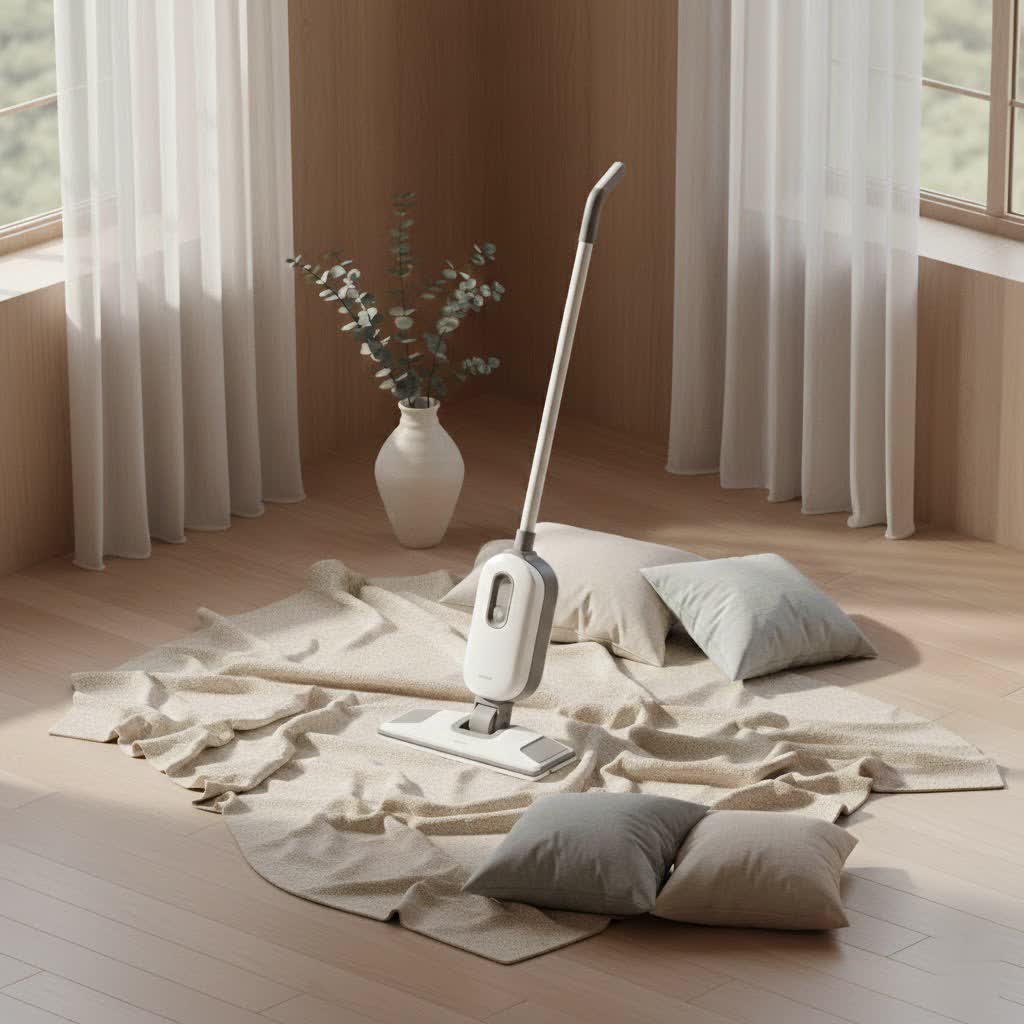
A steam mop is an innovative electric cleaning tool designed to deep clean and sanitize various surfaces, primarily hard floors, using only water. Unlike traditional mops that rely on water and cleaning solutions to wipe away dirt, a steam mop employs the natural power of superheated steam to break down and lift grime on a microscopic level.
The basic principle is straightforward: a built-in water tank heats water to high temperatures, typically between 150° and 300° Fahrenheit (66-149° Celsius), producing steam. This hot vapor is then released through a cleaning pad, usually made of microfiber, at the base of the mop head. As you glide the mop across your hard floor, the intense heat of the steam loosens stubborn dirt, grease, and grime. The microfiber pad then traps the dislodged particles, leaving your floors clean and refreshed. This process requires no detergents or harsh chemicals, making it an environmentally friendly and safe cleaning method.
Benefits of Using a Steam Mop for Hard Floors
Embracing a hard floor steam mop offers numerous advantages that elevate your cleaning standards and simplify your routine.
One of the most significant benefits is its effective cleaning and sanitization power. The high-temperature steam emitted by these devices is incredibly potent, capable of killing up to 99.9% of common household bacteria, germs, and allergens like E. Coli, Salmonella, Staphylococcus, dust mites, and even surface mold. This deep cleaning action is achieved without the need for harsh chemical cleaners, which often just push dirt around or leave behind residues.
Hard floor steam mops are also remarkable time and effort savers. Forget the heavy buckets of dirty water and the strenuous wringing and scrubbing associated with traditional mopping. Steam mops are designed to be lightweight and maneuverable, gliding effortlessly across surfaces. Many models heat up in under a minute, allowing for quick clean-ups and significantly reducing the overall time spent on floor care. The steam also evaporates rapidly, meaning your floors dry in minutes, preventing slips and allowing you to resume normal activities sooner.
Furthermore, these appliances are an environmentally friendly and health-conscious choice. By relying solely on water, they eliminate the need for chemical cleaning solutions, making them ideal for households with young children, pets, or individuals sensitive to harsh chemicals. This chemical-free approach also reduces your carbon footprint and avoids introducing pollutants into your home environment.
Finally, steam mops are versatile on various hard surfaces. They are particularly effective on sealed ceramic and porcelain tiles, vinyl, hybrid flooring, and sealed hardwood or engineered timber. Many models come with specialized attachments, perfect for tackling stubborn grime in grout lines or reaching into tight corners, ensuring every inch of your hard floor is pristine. They are also excellent for quickly sanitizing high-traffic areas and cleaning up sticky spills or pet accidents.
Types of Steam Mops Popular for Hard Floors
The market offers a diverse range of steam mops, each designed with specific cleaning needs in mind. Understanding the different types can help you select the best fit for your hard floors.
The most common type is the stick steam mop. These traditional models are primarily designed for cleaning hard floors. They typically feature a slender upright body with a rectangular or triangular mop head, making them lightweight and easy to maneuver for everyday floor maintenance. They are excellent for quick and efficient sanitization of large floor areas.
For more targeted cleaning, handheld steam cleaners or multi-purpose steam mops are popular choices. Many stick steam mops offer a detachable handheld unit, effectively transforming into a versatile 2-in-1 or 3-in-1 device. The handheld component, often equipped with various nozzles and brushes, is perfect for cleaning hard-to-reach areas, sanitizing countertops, scrubbing grout, or tackling sticky spots on hard floors that require a more focused steam blast.
An emerging category includes steam mop and vacuum combos. These innovative two-in-one machines, such as the Tineco FLOOR ONE S5 Steam Cleaner Wet Dry Vacuum, combine powerful suction with steam cleaning capabilities. They allow you to vacuum up loose debris and steam clean your hard floors simultaneously, offering an ultimate time-saving solution for a deep clean. However, these models tend to be heavier and come with a higher price tag.
| Type of Steam Mop | Primary Use | Pros | Cons |
|---|---|---|---|
| Stick Steam Mop | Everyday floor cleaning | Lightweight, easy to maneuver, efficient for large areas. | Limited versatility beyond floors, fewer attachments. |
| Handheld/Multi-purpose | Versatile cleaning (floors, grout, surfaces) | Excellent for detailed work, comes with various attachments, flexible. | May require more effort for large floor areas, sometimes bulkier. |
| Vacuum Combo | Simultaneous vacuuming and steam cleaning | Saves time by combining tasks, thorough deep clean, handles both dry and wet messes. | Heavier, higher cost, may have longer heat-up times. |
Hard Floor Steam Mop vs. Traditional Cleaning Methods
When comparing hard floor steam mops to conventional cleaning techniques, the differences in effectiveness, convenience, and environmental impact become clear.
Compared to hand mopping with a bucket and traditional mop, a steam mop offers a superior level of hygiene and efficiency. Traditional mopping often involves pushing around dirty water, potentially spreading germs rather than eliminating them. It also requires detergents that can leave residues and may not fully sanitize. Steam mops, conversely, use fresh, superheated steam every time, killing up to 99.9% of bacteria and ensuring a truly sanitized surface without chemicals. They eliminate the need for heavy buckets and strenuous wringing, reducing physical effort and significantly speeding up the drying process.
Against a vacuum cleaner, a hard floor steam mop serves a distinct, complementary purpose. While vacuums are excellent for removing loose dirt, dust, and debris, they do not sanitize surfaces or effectively tackle sticky, dried-on messes. A steam mop excels in these areas, using heat to dissolve grime and disinfect, leaving floors not just visibly clean but hygienically pure. For optimal results, many users sweep or vacuum first, then follow up with a steam mop for deep cleaning and sanitization.
Finally, when contrasted with chemical cleaners, the steam mop stands out for its safety and eco-friendliness. Traditional chemical cleaners can leave behind residues, emit strong fumes, and may be harmful to pets, children, or individuals with allergies. A hard floor steam mop uses only water, making it a natural and safe alternative that provides an equally effective, if not superior, clean without any of the associated risks or environmental concerns.
Comparison Table: Top Hard Floor Steam Mop Models
Choosing the right hard floor steam mop can feel overwhelming with so many options available. Here’s a comparison of some highly-rated models that excel in cleaning hard floors, considering their features, performance, and value.
| Product Name | Brand | Price Range (USD) | Pros | Cons | Rating (1-5 Stars) |
|---|---|---|---|---|---|
| Genius Steam Pocket Hard Floor Mop System | Shark | $150 – $180 | Excellent effectiveness, maneuverability, ease of use, touch-free pad system. | Smaller water tank capacity, some models lack a steam trigger, pads may stain easily. | 4.5 |
| PowerFresh Scrubbing and Sanitizing Steam Mop | Bissell | $100 – $130 | Great value, integrated flip-down scrubber for tough stains, intuitive settings, quick heat-up. | May require more pressure for heavy stains, rubber handle comfort varies. | 4.3 |
| FLOOR ONE S5 Steam Cleaner Wet Dry Vacuum | Tineco | $250 – $300 | Wet/dry vacuum combo, deep cleans and sanitizes simultaneously, strong suction, automatic self-cleaning. | Heavier and bulkier, longer heat-up time, higher price point. | 4.7 |
| Neat Steam Cleaner | Dupray | $180 – $220 | Versatile with extensive attachments, large water tank capacity, high-pressure steam, durable build. | Can be less agile than dedicated stick mops, slightly heavier. | 4.4 |
| Vapour Pro M4S Steam Mop | Euroflex | $300 – $380 | Excellent for hardwood, built-in boiler produces hot and dry pressurized steam, floors dry quickly, converts to handheld. | Premium price, heavier design. | 4.6 |
Hard Floor Steam Mop Buying Guide: Key Factors to Consider
Selecting the ideal hard floor steam mop for your home involves weighing several important factors. With the right information, you can make a choice that perfectly matches your cleaning needs and floor types.
The most critical factor is your specific floor type. Steam mops are generally safe for sealed hard floors, including ceramic tile, porcelain tile, vinyl, certain types of laminate, and sealed hardwood or engineered timber. However, it is absolutely essential to check your flooring manufacturer’s guidelines to ensure steam cleaning will not void your warranty or cause damage. Avoid using steam mops on unsealed, waxed, peeling, or damaged floors, as excessive moisture and heat can lead to warping, discoloration, or other issues.
Consider the size of the area you need to clean. If you have a large home with extensive hard flooring, a steam mop with a larger water tank capacity will reduce the need for frequent refills, allowing for longer, uninterrupted cleaning sessions. For smaller apartments or quick touch-ups, a model with a smaller tank might be lighter and more convenient. Also, evaluate corded vs. cordless options; corded models offer consistent power for large spaces, while cordless models provide greater mobility but have limited runtimes due to battery life.
Your budget will naturally influence your choice, as prices vary widely based on brand, features, and overall performance.
Look for additional features that enhance usability and effectiveness. Adjustable steam settings are highly beneficial, allowing you to tailor the steam output to different floor types (e.g., lower steam for delicate laminate, higher for durable tile) and varying levels of dirt. Attachments and accessories, such as grout brushes, concentration nozzles, or garment steamers, can significantly increase the mop’s versatility, enabling you to clean more than just floors. A fast heat-up time (ideally under 30 seconds) is a great convenience, as are features like lightweight design, a swivel head for maneuverability around furniture, and washable microfiber pads for cost savings and environmental benefits. Safety features like child locks and automatic shut-off are also important considerations.
Finally, when making your decision, it’s always wise to choose a reputable brand, read user reviews for real-world insights, and check the warranty policy for peace of mind.
How to Use and Maintain Your Hard Floor Steam Mop Correctly
To maximize the effectiveness and lifespan of your hard floor steam mop, proper usage and consistent maintenance are key.
Here’s how to use your steam mop for sparkling hard floors:
- Preparation is paramount: Before you even plug in your steam mop, always sweep or vacuum your hard floors thoroughly. Steam mops are designed to sanitize and lift grime, not to pick up large debris, crumbs, or pet hair. Skipping this step can lead to streaks and simply push dirt around.
- Fill the water tank: For optimal performance and to prevent mineral buildup that can clog your machine, use distilled water whenever possible. Fill the tank to the manufacturer’s recommended level, ensuring it’s not overfilled.
- Allow for heat-up: Plug in your steam mop and turn it on. Most models require a short heat-up period, usually between 30 seconds and a few minutes, until the steam is ready. Refer to your user manual for exact timings and indicators.
- Begin cleaning: Start cleaning at one end of the room and work your way backward, overlapping each pass slightly to ensure thorough coverage. Use the appropriate steam setting for your floor type – lower settings for delicate surfaces like laminate or sealed hardwood, and higher settings for durable tiles. Keep the mop moving; avoid leaving it stationary on one spot for too long, especially on moisture-sensitive floors.
- Change pads as needed: Keep several clean microfiber pads on hand and change them as soon as they become visibly dirty. Using a dirty pad will reduce cleaning effectiveness and can cause streaks.
For proper maintenance and longevity:
- Empty the water tank: After each use, always unplug the mop and allow it to cool completely before emptying any remaining water from the tank. This prevents stagnant water from fostering mold or mineral deposits.
- Clean the mop head and pads: Remove the microfiber pads and wash them according to the manufacturer’s instructions. Most are machine washable. Regularly clean the mop head itself to remove any trapped dirt.
- Descale regularly: Mineral deposits from tap water can build up in the heating element and nozzle, reducing steam output. Descale your steam mop frequently, as recommended by the manufacturer. Some methods involve using a vinegar-water solution to flush out deposits.
- Inspect for leaks: Periodically check the water tank and hoses for any signs of leaks or damage, addressing them promptly.
- Proper storage: Store your cooled and emptied steam mop in a cool, dry place, ideally upright to prevent any moisture retention.
Safety Notes: Always unplug your steam mop before refilling the tank, changing pads, or performing any maintenance. Never use a steam mop on unsealed, waxed, or damaged floors. Exercise caution around children and pets during operation, as the steam is very hot.
Common Hard Floor Steam Mop Problems and Solutions
Even the most reliable hard floor steam mops can encounter issues over time. Knowing how to troubleshoot common problems can help you get back to cleaning quickly.
The most frequent complaint is the steam mop not producing steam, or producing insufficient steam. This can often be resolved by:
- Checking the water level: Ensure the water tank is adequately filled. An empty or low tank cannot generate steam.
- Verifying power and heat-up time: Confirm the mop is securely plugged into a functional outlet and fully powered on. Allow sufficient time for the unit to heat up (typically 30 seconds to a few minutes).
- Clearing blocked nozzles or mineral buildup: Mineral deposits, especially from hard tap water, can clog the steam nozzle. Unplug the mop, let it cool, then use a small tool like a paper clip to gently clear any visible blockages. Descaling the tank and nozzle with a vinegar-water solution (if recommended by the manufacturer) can dissolve stubborn deposits.
- Faulty heating element: If none of the above work, the heating element might be damaged, which typically requires professional repair or replacement of the unit.
Another issue can be water leakage. If your steam mop is leaking, first check for loose connections. Ensure the water tank is securely seated and any hoses or fittings are tight. Inspect the water tank and body for visible cracks or damage; if found, these parts may need to be replaced.
If your steam mop isn’t cleaning effectively, consider these solutions:
- Dirty pads: Replace soiled microfiber pads with clean ones. A dirty pad will simply smear dirt around.
- Insufficient pre-cleaning: Remember, steam mops sanitize and lift grime, but they are not vacuums. Always sweep or vacuum your floors before steam cleaning to remove loose debris.
- Stubborn stains: For particularly tough spots, you might need to use a scrub brush attachment (if available) or select a higher steam setting and hold the mop over the area for a few extra seconds (while keeping it moving to avoid damage).
- Floor suitability: Double-check that your hard floor type is suitable for steam cleaning. Using it on an unsealed or inappropriate surface can lead to poor results and potential damage.
“Many common steam mop problems stem from mineral buildup. Regularly descaling and using distilled water are simple habits that can significantly extend the life and efficiency of your device.” – [Your Name], Admin, reviewmyui.com
Conclusion
A hard floor steam mop is an indispensable tool for any home seeking a truly deep, hygienic clean. By leveraging the natural power of superheated steam, these appliances offer an unparalleled ability to sanitize surfaces, eliminate stubborn grime, and achieve streak-free results—all without the need for harsh chemicals. From tile and vinyl to sealed hardwood, the right hard floor steam mop can transform your cleaning routine, saving you time, effort, and contributing to a healthier living environment. With a clear understanding of their mechanics, benefits, types, and proper maintenance, you’re now equipped to choose and utilize a steam mop that will keep your hard floors looking their best for years to come.
Are you ready to experience the transformation a hard floor steam mop can bring to your cleaning routine?
Frequently Asked Questions
Can I use a hard floor steam mop on unsealed hardwood floors?
|
Our Picks for the Best Steam Mop in 2026
As an Amazon Associate I earn from qualifying purchases.
|
||
| Num | Product | Action |
|---|---|---|
| 1 | Steam Mop, Steam Cleaner with 400ML Water Tank, 2 Washable Pads, 23FT Power Cable floor steamer, Detachable Steam Mops for sealed Hard Floors, Marble, Stone, Hardwood (Purple) |

|
| 2 | Shark Steam & Scrub Steam Mop, All-in-One Scrubbing and Sanitizing Hard Floor Cleaner, LED Headlights, 4 Dirt Grip Soft Scrub Pads Included, XL Water Tank, Swivel Steering, Hawaiian Grey, S8001 |
|
| 3 | Shark Steam Mop with 2 Machine Washable Dirt Grip Pads, Removable Water Tank, Lightweight, Steam Cleaner for sealed Hard Floors, Marble, Stone, Hardwood, Tile, Laminate, White/Seafoam, S1000 |
|
| 4 | Shark Steam Pocket Mop with 2 Washable Double-sided Pads, Steam Sanitization, Swivel Steering, Lightweight, Steam Cleaner for Sealed Hard Floors, Hardwood, Marble, Tile, Purple, S3501 |
|
| 5 | Steam Mop - 11-in-1 Steam Cleaner for Home with 15.2 OZ Water Tank & 23FT Power Cord, Detachable Steam Mops for Floor Cleaning MultiPurpose Steamer for Hardwood, Tile, Furniture with 11 Accessories |
|
| 6 | Shark SteamSpot Steam Mop with Steam Blaster Technology, 3 Steam Modes, 2 Washable Pads, XL Removable Water Tank, Lightweight, Steam Cleaner for sealed Hard Floors, Hardwood, Tile, Laminate, S2001 |
|
| 7 | Pressurized Handheld Steam Cleaner for Home Deep Cleaning, Multi-Purpose Portable Steamer for Cleaning with 11 PCS Accessories for Dirt, Grease, Window, Car, Furniture, Bathroom, Couch, Tile and Grout |
|
| 8 | 11-in-1 Steam Mop - Detachable Handheld Steam Cleaner with 380mL Tank, 260℉ Floor Steamer for Hardwood, Tile, Grout, Windows, Bath & Kitchen - 3-Level Steam Control, Multi-Purpose Floor Steam Cleaner |
|
| 9 | Bissell Power Fresh Steam Mop with Natural Sanitization, Floor Steamer, Tile Cleaner, and Hard Wood Floor Cleaner with Flip-Down Easy Scrubber, 1940A |
|
| 10 | KLONA Portable Steam Cleaner, Hand Held steamers for cleaning house, Home Multi Purpose - 10-Piece Accessory Kit for Sofa, Upholstery, Carpets |
|
No, it is generally not recommended to use a hard floor steam mop on unsealed hardwood floors. The high heat and moisture can penetrate the wood, leading to warping, discoloration, or other irreversible damage. Always ensure your hardwood floors are properly sealed and check the flooring manufacturer’s guidelines before using a steam mop.
Do hard floor steam mops kill bacteria and germs?
Yes, absolutely. The high-temperature steam produced by hard floor steam mops is effective at killing up to 99.9% of common household bacteria, germs, viruses, and allergens like E. Coli, Salmonella, and dust mites. This sanitizing power is achieved using only water, without the need for chemical disinfectants.
What kind of water should I use in my hard floor steam mop?
It is highly recommended to use distilled water in your hard floor steam mop. Tap water contains minerals that can accumulate over time, leading to mineral buildup in the heating element and nozzle. This buildup can reduce steam output, clog the machine, and shorten its lifespan. Distilled water prevents these issues, ensuring optimal performance.
How often should I steam mop my hard floors?
The frequency of steam mopping depends on your household’s traffic and your personal preference. For high-traffic areas like kitchens and entryways, steam mopping once or twice a week is often beneficial for maintaining hygiene and cleanliness. For other areas, a bi-weekly or monthly schedule might suffice. Always pre-sweep or vacuum before each steam session.
Are hard floor steam mops safe for pets and children?
Yes, hard floor steam mops are generally considered safe for homes with pets and children because they clean and sanitize without using harsh chemical solutions. This eliminates exposure to potentially irritating or harmful residues. However, always exercise caution during operation due to the hot steam and ensure children and pets are kept at a safe distance from the working appliance.
