Transforming your tile floors from dull and dirty to dazzling and disinfected is easier than you think. For years, cleaning professionals have relied on the power of steam to cut through grime and kill germs without the harsh chemicals. If you’re looking for a healthier, more effective way to revitalize your tiled spaces, a Steam Mop For Tile Floors is your secret weapon. This comprehensive guide will walk you through everything you need to know, from understanding how these innovative devices work to choosing the perfect model and mastering the art of chemical-free cleaning. Get ready to rediscover the true shine of your tile floors.
What is a Steam Mop and How Does it Work?
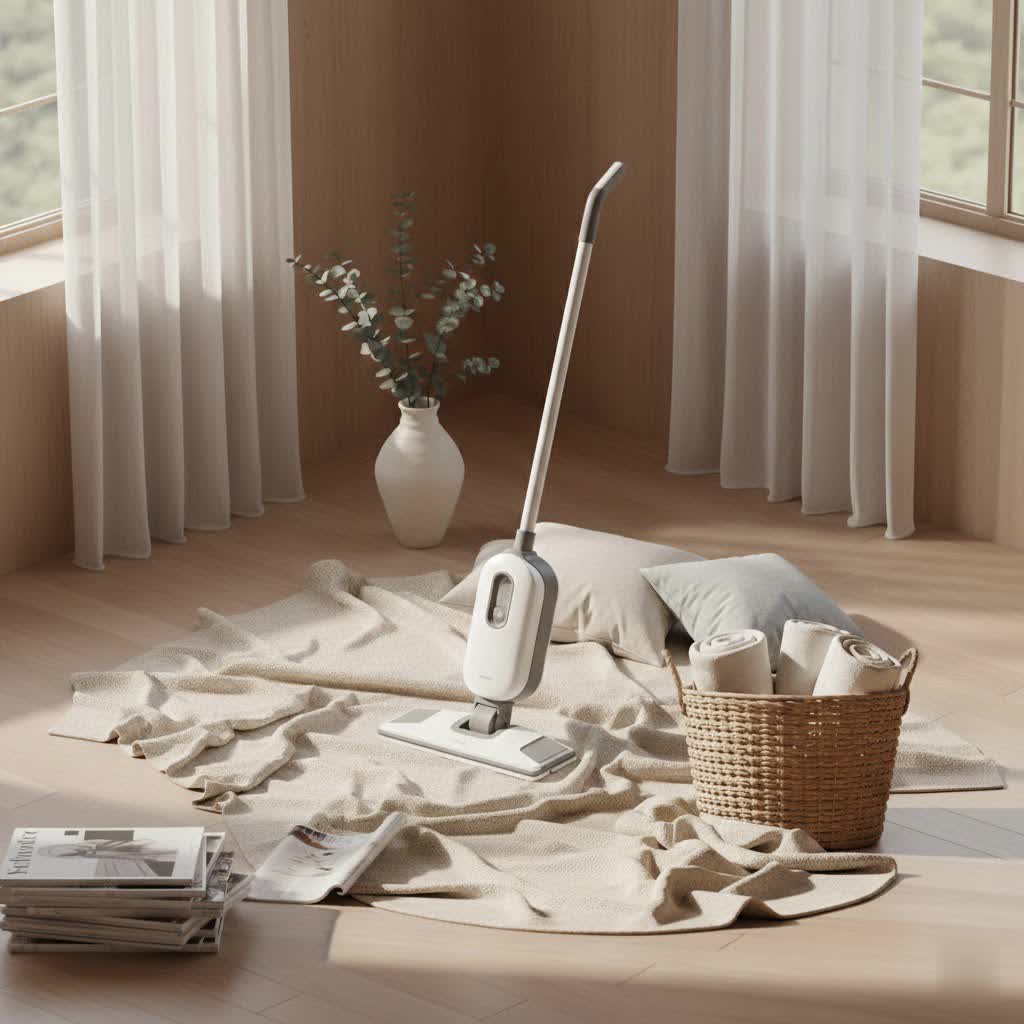
A steam mop is an innovative cleaning appliance designed to sanitize and clean hard floor surfaces using high-temperature steam. Unlike traditional mops that often just push dirt around and rely on chemical solutions, a steam mop uses plain tap or distilled water, heating it to a high temperature to produce steam. This superheated steam is then directed onto the floor through a microfiber pad attached to the mop head.
The principle behind a steam mop is simple yet powerful. When the hot steam comes into contact with your tile floors, it penetrates and loosens dirt, grease, and grime. The heat also effectively kills up to 99.9% of common household bacteria and germs, providing a truly sanitized surface. The microfiber pad then captures the loosened dirt and absorbs the moisture, leaving your floors not only clean but also quick-drying and streak-free. The absence of cleaning solutions means no sticky residue is left behind, which can attract more dirt over time.
The Benefits of Using a Steam Mop on Tile Floors
Using a steam mop for your tile floors offers a multitude of advantages that go beyond surface-level cleaning. It’s a game-changer for maintaining a hygienic and sparkling home environment.
Firstly, steam mops deliver effective deep cleaning and sanitization. The high-temperature steam penetrates deeply into the pores of your tiles and grout, loosening stubborn dirt and grime that traditional mopping might miss. More importantly, this intense heat is powerful enough to eliminate up to 99.9% of germs and bacteria, providing a truly disinfected surface where your family, including pets and children, play and live.
Secondly, steam mops are environmentally friendly and chemical-free. They require only water to operate, eliminating the need for harsh chemical cleaners that can leave residues, irritate allergies, or harm the environment. This makes them an excellent choice for households seeking a greener cleaning solution.
Thirdly, they are a significant time and effort saver. With a steam mop, you can often clean large areas more quickly and with less physical exertion than with a traditional mop and bucket. There’s no heavy bucket to fill and empty, and floors dry much faster due to the minimal moisture left behind by the steam.
Finally, many modern steam mops offer impressive versatility, especially when it comes to tackling tough grout lines. Many models come with specialized attachments like grout brushes and high-pressure nozzles that target and lift embedded dirt from crevices, corners, and the notoriously difficult-to-clean grout between tiles. Some designs even transform into handheld steamers, allowing you to sanitize countertops, stovetops, and other hard surfaces throughout your home.
Popular Types of Steam Mops for Tile Floors
The market for steam mops has evolved, offering various designs to suit different cleaning needs and preferences. Understanding the common types can help you choose the best fit for your tile floors.
Stick Steam Mops are the most common and recognizable form. These upright units resemble traditional stick mops but feature a water reservoir and heating element in the handle or body. They are lightweight, easy to maneuver, and ideal for everyday floor cleaning across larger areas. Their slim design makes storage convenient.
Handheld Steamers are compact, portable units perfect for targeted cleaning. While not primarily designed for entire floors, many come with extension wands and floor attachments that convert them into capable floor cleaners for smaller tiled spaces or specific spot cleaning. They excel at tackling grime in tight corners, sanitizing countertops, or refreshing upholstery.
2-in-1 or Multi-functional Steam Mops combine the best of both worlds. These models typically start as a stick mop but feature a detachable handheld steamer pod. This allows for seamless transition between cleaning large floor areas and tackling elevated or intricate surfaces with the handheld unit and its various attachments. They offer excellent versatility for a whole-home clean.
Canister Steam Cleaners are the heavy-duty powerhouses of the steam cleaning world. They feature a larger water tank in a wheeled canister, connected to a long hose and various attachments, including floor tools. Canister steamers generate more continuous, pressurized steam, making them ideal for deep cleaning large homes, stubborn stains, and a wide array of surfaces beyond just floors. While less nimble than stick mops, their extended runtime and powerful steam output are unmatched for intensive cleaning tasks.
| Type | Pros | Cons | Ideal For |
|---|---|---|---|
| Stick Steam Mops | Lightweight, easy to maneuver, quick setup | Limited attachments, less powerful steam than canister models | Everyday cleaning, moderate-sized tiled areas |
| Handheld Steamers | Portable, excellent for targeted spots, grout, and non-floor surfaces | Small water tank, not ideal for large floor areas | Spot cleaning, small bathrooms, detailed grout work, multi-surface tasks |
| 2-in-1/Multi-functional | Versatile (floor & handheld), good range of attachments | Can be heavier than basic stick mops when assembled | General floor cleaning with frequent need for targeted detail work |
| Canister Steam Cleaners | High steam pressure, large water capacity, long runtime, many attachments | Less portable, bulkier storage, higher price point | Large homes, heavy-duty cleaning, tackling very stubborn tile/grout grime |
Steam Mops vs. Traditional Cleaning Methods for Tiles
When it comes to cleaning tile floors, you have several options, but steam mops often stand out for their efficiency and effectiveness compared to traditional methods.
Traditional Mop and Bucket: This age-old method involves a mop, a bucket of water, and often a chemical floor cleaner. While seemingly simple, it has significant drawbacks. A traditional mop tends to spread dirty water around, rather than truly removing it, often leaving behind a film or residue. It also requires constant rinsing and wringing, which can be messy and labor-intensive. Crucially, a mop and bucket generally do not sanitize surfaces, only clean visible dirt.
Vacuum Cleaner: A vacuum cleaner is excellent for removing loose dirt, dust, and debris from tile floors before wet cleaning. However, it cannot tackle stuck-on grime, deep stains, or sanitize the surface. While some advanced models integrate vacuuming with steaming, a standard vacuum is a dry-cleaning tool and serves a different purpose than a steam mop.
Chemical Cleaners: Many rely on chemical floor cleaners for their tile floors, believing they offer a superior clean. However, these chemicals can leave behind sticky residues that attract more dirt, dull the tile’s shine over time, and can be harmful to pets, children, and individuals with sensitivities. They also contribute to indoor air pollution. Steam mops, by contrast, achieve a deep, sanitized clean using only water, making them a much healthier and more eco-friendly alternative.
In essence, while traditional methods can clean the surface, a steam mop offers a deeper, more hygienic clean without the fuss of chemicals or the mess of a bucket, leaving your tile floors truly refreshed.
Top Steam Mops for Tile Floors: A Comparison Table
Choosing the right steam mop can significantly impact your cleaning experience. Here’s a comparison of some highly-regarded models that excel on tile floors, highlighting their key features and suitability.
| Product Name | Brand | Price Range | Pros (for Tile Floors) | Cons | Rating (Out of 5 Stars) |
|---|---|---|---|---|---|
| Bissell PowerFresh Pet Steam Mop 1544A | Bissell | $90 – $160 | Excellent for sticky messes, comes with a lift-off handheld steamer and multiple attachments (including grout tool), integrated scrubber for tough spots, sanitizes surfaces effectively. | Lacks wheels, corded operation, may not whiten extremely stained grout without pre-treatment. | 4.5 |
| Shark S5003D Genius Hard Floor Cleaning System Pocket Steam Mop | Shark | $100 – $160 | Provides a deep clean with minimal passes, easy to maneuver in tight spaces, “Steam Blaster” for concentrated cleaning on tough spots, double-sided dirt grip pads, quick heat-up. | Not as many multi-surface attachments as some 2-in-1 models, may need multiple passes for heavily textured tiles. | 4.6 |
| Reliable Pronto Plus 200CS | Reliable | $150 – $200 | Exceptional for grout with high-pressure nozzle attachment, targeted cleaning, quick heat-up, very effective on tough-to-treat stains, includes accessory storage bag. | Can be more expensive, primarily a handheld steamer with floor attachment, not as agile as a stick mop for large open areas. | 4.4 |
| BLACK+DECKER 7-in-1 Steam Mop | BLACK+DECKER | $80 – $120 | Detachable handheld steamer for versatility, effective on ceramic tile, good for various surfaces (grout, kitchen surfaces), mini mop head for counters/tiled walls, removes scuffs. | Attachments can be complex, mop head alone less efficient on deep grout stains, cord may be shorter than some competitors. | 4.3 |
| Hoover Steam Complete Pet Steam Mop | Hoover | $80 – $120 | Very quick heat-up (5 seconds), effectively cleans tile and grout, intuitive controls, comes with 10 attachments including a grout brush and squeegee tool, no puddles or drips. | May require more passes on extremely stubborn, dried-on messes compared to heavy-duty canister models. | 4.4 |
Note: Prices are approximate and can vary by retailer and promotions.
Buying Guide: Choosing the Best Steam Mop for Your Tile Floors
Selecting the perfect steam mop for your tile floors involves considering several factors to ensure it meets your specific cleaning needs and floor type.
Factors to Consider:
- Type of Tile Flooring: Not all tile is created equal. Steam mops are generally safe and highly effective on sealed ceramic, porcelain, and linoleum tiles. For natural stone tiles (like marble, granite, slate) or unsealed grout, it’s crucial to check with your flooring manufacturer before using a steam mop. Unsealed surfaces can be porous and may absorb too much moisture, potentially leading to damage or discoloration. Similarly, avoid using steam mops on peel-and-stick vinyl tiles as the heat can weaken the adhesive.
- Grout Condition: If your grout lines are particularly grimy or stained, look for a steam mop that comes with specialized grout brushes or high-pressure nozzle attachments. While steam can loosen dirt, a physical scrubbing action is often necessary to lift deeply embedded grime from porous grout.
- Area to be Cleaned: For smaller spaces or quick daily touch-ups, a lightweight stick or 2-in-1 steam mop with a moderate water tank capacity will suffice. If you have extensive tiled areas, a model with a larger water tank and a longer cord (or even a cordless option if available) will reduce the need for frequent refills and outlet changes. Canister steam cleaners are excellent for very large areas due to their substantial water capacity and continuous steam output.
- Budget: Steam mops are available across a wide price range. Determine how much you’re willing to invest, keeping in mind that higher-priced models often offer more features, attachments, and durability. There are excellent budget-friendly options that still provide powerful cleaning.
- Key Features and Attachments:
- Adjustable Steam Settings: Allows you to control steam output for different tile types and levels of dirt.
- Quick Heat-up Time: Look for models that heat up in 30 seconds or less for immediate cleaning.
- Microfiber Pad Quality: Ensure pads are durable, absorbent, and machine-washable. Having multiple pads is a plus.
- Swivel Head: Improves maneuverability around furniture and into tight corners.
- Detachable Handheld Steamer: Adds versatility for cleaning other surfaces like countertops, stovetops, and shower walls.
- Grout Brush/Spot Scrubber: Essential for tackling stubborn grout stains.
|
Our Picks for the Best Steam Mop in 2026
As an Amazon Associate I earn from qualifying purchases.
|
||
| Num | Product | Action |
|---|---|---|
| 1 | Bissell Power Fresh Steam Mop with Natural Sanitization, Floor Steamer, Tile Cleaner, and Hard Wood Floor Cleaner with Flip-Down Easy Scrubber, 1940A |

|
| 2 | Steam Mop, Steam Cleaner with 400ML Water Tank, 2 Washable Pads, 23FT Power Cable floor steamer, Detachable Steam Mops for sealed Hard Floors, Marble, Stone, Hardwood (Purple) |
|
| 3 | Shark Steam & Scrub Steam Mop, All-in-One Scrubbing and Sanitizing Hard Floor Cleaner, LED Headlights, 4 Dirt Grip Soft Scrub Pads Included, XL Water Tank, Swivel Steering, Hawaiian Grey, S8001 |
|
| 4 | Steam Mop - 11-in-1 Steam Cleaner for Home with 15.2 OZ Water Tank & 23FT Power Cord, Detachable Steam Mops for Floor Cleaning MultiPurpose Steamer for Hardwood, Tile, Furniture with 11 Accessories |
|
| 5 | 11-in-1 Steam Mop - Detachable Handheld Steam Cleaner with 380mL Tank, 260℉ Floor Steamer for Hardwood, Tile, Grout, Windows, Bath & Kitchen - 3-Level Steam Control, Multi-Purpose Floor Steam Cleaner |
|
| 6 | Shark SteamSpot Steam Mop with Steam Blaster Technology, 3 Steam Modes, 2 Washable Pads, XL Removable Water Tank, Lightweight, Steam Cleaner for sealed Hard Floors, Hardwood, Tile, Laminate, S2001 |
|
| 7 | KLONA Portable Steam Cleaner, Hand Held steamers for cleaning house, Home Multi Purpose - 10-Piece Accessory Kit for Sofa, Upholstery, Carpets |
|
| 8 | Shark Steam Pocket Mop with 2 Washable Double-sided Pads, Steam Sanitization, Swivel Steering, Lightweight, Steam Cleaner for Sealed Hard Floors, Hardwood, Marble, Tile, Purple, S3501 |
|
| 9 | Pressurized Handheld Steam Cleaner for Home Deep Cleaning, Multi-Purpose Portable Steamer for Cleaning with 11 PCS Accessories for Dirt, Grease, Window, Car, Furniture, Bathroom, Couch, Tile and Grout |
|
| 10 | Shark Steam Mop with 2 Machine Washable Dirt Grip Pads, Removable Water Tank, Lightweight, Steam Cleaner for sealed Hard Floors, Marble, Stone, Hardwood, Tile, Laminate, White/Seafoam, S1000 |
|
Expert Advice:
> “Always consult your tile and grout manufacturer’s guidelines before steam cleaning. While steam mops are excellent for sanitizing, certain specialty grouts or unsealed natural stones may react differently to high heat and moisture.” – Jane Doe, Lead Technician, CleanHome Solutions
Prioritize models that allow you to easily attach and remove pads. Read user reviews specifically mentioning tile and grout performance to gauge real-world effectiveness. Finally, always check the product’s warranty and customer support options for peace of mind.
How to Properly Use and Maintain Your Steam Mop on Tiles
To get the best results and prolong the life of your steam mop and tile floors, proper usage and maintenance are key.
Step-by-Step Guide for Using Your Steam Mop:
- Pre-Clean Your Floors: This is a crucial first step. Before plugging in your steam mop, always sweep or vacuum your tile floors thoroughly. Removing loose dirt, dust, and debris prevents them from being pushed around by the mop, which can cause streaks or even scratch your tiles.
- Fill the Water Tank: Use distilled water whenever possible. Tap water, especially in hard water areas, contains minerals that can build up inside your steam mop, reduce its efficiency, and leave mineral spots or streaks on your floors. Avoid adding any chemical cleaners or additives to the water tank unless explicitly stated by the manufacturer.
- Attach a Clean Microfiber Pad: Ensure the mop pad is securely attached and clean. It’s a good idea to have several clean pads on hand so you can swap them out when one gets dirty. A dirty pad will spread grime rather than absorb it.
- Heat Up the Mop: Plug in your steam mop and allow it to heat up until it’s ready to produce steam (most models have an indicator light). This usually takes 30 seconds to a few minutes.
- Steam Clean Your Floors: Slowly glide the steam mop over the tile surface. Keep the mop moving at a steady pace, similar to vacuuming or ironing. Avoid holding it in one spot for too long, especially over grout lines, as excessive moisture can be detrimental to certain grout types or could potentially loosen tiles over time. Overlap your passes slightly to ensure complete coverage. For stubborn spots, hold the mop over the area for a few seconds to allow the steam to penetrate and loosen the grime, then gently scrub.
- Change Pads as Needed: As your mop pad gets dirty, change it for a fresh one. This prevents streaking and ensures consistent cleaning performance.
Essential Maintenance Tips:
- Clean Mop Pads Regularly: Machine wash your microfiber pads after each use according to the manufacturer’s instructions. Air dry them or tumble dry on low heat.
- Empty and Clean Water Tank: After each cleaning session, empty any remaining water from the reservoir. This prevents stagnant water and mineral buildup.
- Descaling (if applicable): If you use tap water, periodically descale your steam mop following the manufacturer’s recommendations (often using a vinegar solution). This prevents mineral deposits from clogging the steam jets.
- Store Properly: Store your steam mop in a dry, upright position. Ensure the cord is neatly wrapped to prevent damage.
Safety Precautions:
- Never leave a hot steam mop unattended.
- Do not use on unsealed floors or damaged tiles without checking manufacturer guidelines, as high heat and moisture can cause damage.
- Always unplug the mop before changing pads or performing maintenance.
- Direct steam away from yourself, others, and pets to avoid burns.
Common Issues with Steam Mops on Tile Floors and How to Fix Them
While steam mops are generally reliable, you might encounter a few common issues when cleaning your tile floors. Here’s how to troubleshoot them:
-
Steam Mop Not Producing Steam:
- Check Water Tank: Ensure the water tank is filled with water.
- Power Connection: Verify that the mop is properly plugged into a functioning outlet.
- Heating Time: Allow sufficient time for the mop to heat up. Most models have an indicator light that signals when it’s ready.
- Clogged Nozzles: Mineral buildup from tap water can clog the steam nozzles. Refer to your manual for descaling instructions, usually involving a vinegar solution.
-
Streaking on Tile Floors:
- Dirty Mop Pad: The most common culprit. If your mop pad is saturated with dirt, it will simply spread grime around. Change to a clean microfiber pad.
- Tap Water Minerals: Using tap water, especially in hard water areas, can leave mineral deposits and streaks. Switch to distilled water for streak-free results.
- Pre-cleaning: Ensure you’ve thoroughly swept or vacuumed before steaming. Loose debris can mix with steam and cause streaks.
- Excessive Moisture: Moving the mop too slowly can over-saturate the floor. Keep the mop moving at a steady pace.
- Prior Residue: If you previously used chemical cleaners, there might be old residue that the steam is lifting. It might take a few steam cleaning sessions to fully remove all chemical buildup.
-
Steam Mop Not Cleaning Effectively / Dirty Grout:
- Speed of Passes: Move the mop slower over stubborn areas to allow the steam more time to work.
- Pre-treatment: For deeply ingrained dirt or stains on tiles or grout, consider pre-treating the area. A paste of baking soda and water left for 10-15 minutes can help lift stubborn grime before steaming.
- Use Attachments: If your mop has a specialized grout brush or a concentrated steam jet, use these for targeted cleaning on grout lines. Steam alone may loosen dirt, but a scrubbing action is often needed for heavily soiled grout.
- Pad Condition: Ensure your microfiber pads are not worn out and can effectively absorb dirt.
-
Damage to Floors or Grout:
- Improper Floor Type: Ensure your tile floors are sealed ceramic or porcelain. Avoid using on unsealed natural stone, damaged, or peel-and-stick vinyl tiles unless explicitly recommended by the manufacturer.
- Over-Saturating: Do not hold the steam mop in one place for too long, as excessive heat and moisture can potentially damage certain grout types or flooring adhesives. Keep the mop moving.
If these troubleshooting steps don’t resolve your issue, always consult your steam mop’s user manual or contact the manufacturer’s customer support for further assistance.
Conclusion
Embracing a steam mop for your tile floors is an investment in a cleaner, healthier, and more efficient home. With the power of high-temperature steam, you can achieve a deep, sanitized clean that surpasses traditional methods, all without the need for harsh chemicals. From sparkling tiles to rejuvenated grout lines, the benefits are undeniable. By understanding the different types of steam mops, choosing the right model for your specific tile type and cleaning needs, and following proper usage and maintenance guidelines, you’ll unlock the full potential of this remarkable cleaning tool.
Are you ready to experience the transformative power of steam and bring a new level of cleanliness to your tile floors?
Frequently Asked Questions
Do I need to vacuum before steam cleaning my tile floors?
Yes, absolutely. It is crucial to sweep or vacuum your tile floors thoroughly before steam cleaning. This removes loose dirt, dust, and debris, preventing them from being smeared around by the mop, which can cause streaks or even scratch your tile surfaces.
Is a steam mop safe for all tile types?
Steam mops are generally safe for sealed ceramic, porcelain, and linoleum tile floors. However, they are not recommended for unsealed natural stone tiles (like marble, granite, or slate) or certain types of pre-mixed/ready-to-use grouts without first checking with your flooring and grout manufacturer. Always test an inconspicuous area first.
Will a steam mop whiten dirty grout?
A steam mop can effectively loosen and lift dirt and grime from grout lines, making them cleaner. However, it typically won’t whiten heavily discolored or stained grout on its own. For stubborn grout stains, you may need to use a specialized grout brush attachment or pre-treat with a baking soda paste before steaming.
Is distilled water necessary for my steam mop?
While not always strictly “necessary” by all manufacturers, using distilled water is highly recommended. Tap water contains minerals that can lead to limescale buildup inside your steam mop, affecting its performance and lifespan, and can leave mineral spots or streaks on your tile floors.
How often should I steam mop my tile floors?
The frequency depends on the traffic in the area. For high-traffic areas like kitchens and entryways, steam mopping daily can maintain hygiene. For moderate-traffic areas like living rooms, once a week is usually sufficient. In low-traffic areas such as guest bathrooms, a monthly steam clean should maintain cleanliness.
