Maintaining the pristine beauty of wood floors can often feel like a delicate balancing act. You want a thorough clean, but the fear of moisture damage or harsh chemicals keeps many homeowners from truly tackling the grime. If you’ve ever wondered if steam cleaning is a viable, safe, and effective solution for your cherished hardwood, the good news is, it absolutely can be – provided you choose the right machine and use it correctly. Steam mops offer a revolutionary way to achieve a deep, sanitized clean without relying on chemicals, making them an eco-friendly and pet-safe choice for your home.
What is a Steam Mop and How Does It Work?
|
Our Picks for the Best Steam Mop in 2026
As an Amazon Associate I earn from qualifying purchases.
|
||
| Num | Product | Action |
|---|---|---|
| 1 | Shark Steam Pocket Mop with 2 Washable Double-sided Pads, Steam Sanitization, Swivel Steering, Lightweight, Steam Cleaner for Sealed Hard Floors, Hardwood, Marble, Tile, Purple, S3501 |

|
| 2 | KLONA Portable Steam Cleaner, Hand Held steamers for cleaning house, Home Multi Purpose - 10-Piece Accessory Kit for Sofa, Upholstery, Carpets |
|
| 3 | Shark Steam & Scrub Steam Mop, All-in-One Scrubbing and Sanitizing Hard Floor Cleaner, LED Headlights, 4 Dirt Grip Soft Scrub Pads Included, XL Water Tank, Swivel Steering, Hawaiian Grey, S8001 |
|
| 4 | Pressurized Handheld Steam Cleaner for Home Deep Cleaning, Multi-Purpose Portable Steamer for Cleaning with 11 PCS Accessories for Dirt, Grease, Window, Car, Furniture, Bathroom, Couch, Tile and Grout |
|
| 5 | Bissell Power Fresh Steam Mop with Natural Sanitization, Floor Steamer, Tile Cleaner, and Hard Wood Floor Cleaner with Flip-Down Easy Scrubber, 1940A |
|
| 6 | Shark Steam Mop with 2 Machine Washable Dirt Grip Pads, Removable Water Tank, Lightweight, Steam Cleaner for sealed Hard Floors, Marble, Stone, Hardwood, Tile, Laminate, White/Seafoam, S1000 |
|
| 7 | Shark SteamSpot Steam Mop with Steam Blaster Technology, 3 Steam Modes, 2 Washable Pads, XL Removable Water Tank, Lightweight, Steam Cleaner for sealed Hard Floors, Hardwood, Tile, Laminate, S2001 |
|
| 8 | 11-in-1 Steam Mop - Detachable Handheld Steam Cleaner with 380mL Tank, 260℉ Floor Steamer for Hardwood, Tile, Grout, Windows, Bath & Kitchen - 3-Level Steam Control, Multi-Purpose Floor Steam Cleaner |
|
| 9 | Steam Mop - 11-in-1 Steam Cleaner for Home with 15.2 OZ Water Tank & 23FT Power Cord, Detachable Steam Mops for Floor Cleaning MultiPurpose Steamer for Hardwood, Tile, Furniture with 11 Accessories |
|
| 10 | Steam Mop, Steam Cleaner with 400ML Water Tank, 2 Washable Pads, 23FT Power Cable floor steamer, Detachable Steam Mops for sealed Hard Floors, Marble, Stone, Hardwood (Purple) |
|
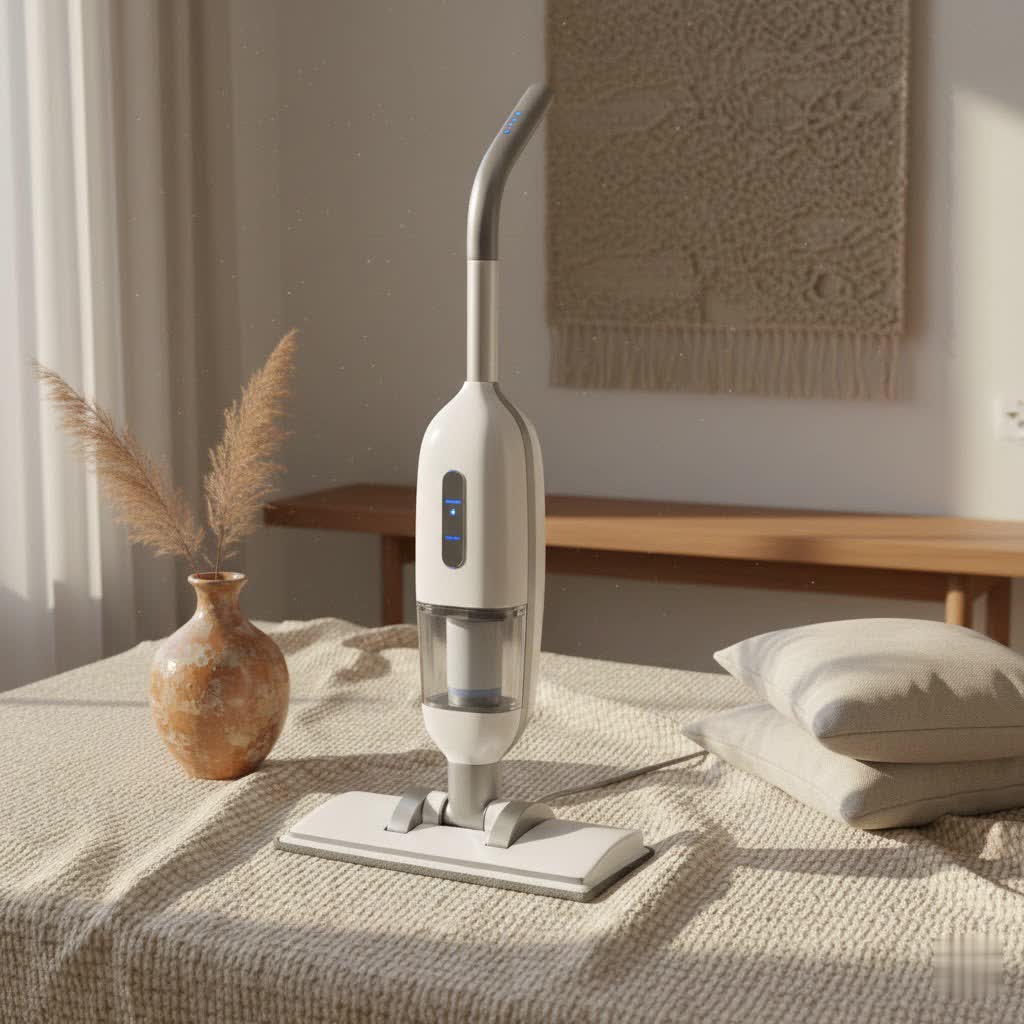
A steam mop is an innovative cleaning appliance that uses high-temperature steam to clean and sanitize hard floor surfaces. Unlike traditional mops that simply push dirt around or require chemical cleaners, steam mops leverage the power of heat and moisture to lift and dissolve grime, kill bacteria, and leave floors sparkling.
The basic principle is simple: water is poured into a reservoir, heated to a high temperature (often exceeding 200°F or 93°C), and converted into steam. This steam is then emitted through a microfiber pad attached to the mop head. The hot steam penetrates and loosens dirt, grease, and sticky residues, while the microfiber pad traps and removes the loosened particles. This process not only cleans but also sanitizes, eliminating up to 99.9% of germs and bacteria without the need for harsh detergents. The history of steam mops traces back to the late 20th century, evolving from bulkier steam cleaners to the sleek, maneuverable devices we see today, designed for everyday convenience and effective floor care.
Benefits of Using a Steam Mop
Embracing a steam mop for your home cleaning routine, especially for wood floors, comes with a wealth of advantages. These devices offer a superior clean while prioritizing health and convenience.
Firstly, steam mops provide effective cleaning and potent sanitization. The high-temperature steam efficiently dissolves tough dirt, sticky spills, and everyday grime, often outperforming traditional mops. More importantly, this superheated steam is a powerful natural disinfectant, capable of killing a significant percentage of bacteria, viruses, and dust mites lurking on your floors, providing a healthier environment for your family and pets.
Secondly, they are a significant time and effort saver. With a quick heat-up time and the ability to clean large areas efficiently, steam mops cut down on the physical exertion and time typically associated with mopping. No more lugging heavy buckets of water or wringing out dirty mop heads – just fill, heat, and glide.
Thirdly, steam mops are incredibly friendly to the environment. By using only water and high heat, they eliminate the need for chemical-based cleaning solutions, reducing chemical runoff into water systems and minimizing your exposure to harsh fumes. This makes them a perfect choice for households committed to green living.
Lastly, many modern steam mops boast impressive versatility, allowing them to be used on a multitude of sealed surfaces beyond just wood floors. With various attachments, they can often clean tile, laminate, linoleum, and even refresh carpets, upholstery, or tackle kitchen and bathroom fixtures, making them a multi-purpose tool for comprehensive home hygiene.
Popular Types of Steam Mops on the Market
The diverse range of steam mops available means there’s a model to suit every cleaning need and preference. Understanding the different types helps in making an informed choice for your wood floors and other surfaces.
-
Stick Steam Mops: These are the most common and resemble an upright vacuum cleaner. They are lightweight, easy to maneuver, and ideal for quick clean-ups and regular floor maintenance. They typically have a built-in water tank and focus primarily on floor cleaning. Their slim design makes them easy to store.
-
Handheld Steam Cleaners: Compact and portable, handheld steamers are designed for targeted cleaning of smaller areas, grout, countertops, appliances, and upholstery. While not primary floor cleaners, some models come with attachments that can be used for spot cleaning on floors. They are excellent for detail work.
-
2-in-1 or Multi-Purpose Steam Mops: These versatile models combine the features of a stick steam mop with a detachable handheld unit. This allows for seamless transitions from floor cleaning to tackling above-floor tasks like scrubbing bathroom tiles, steaming garments, or sanitizing kitchen surfaces. They offer the best of both worlds for comprehensive home cleaning.
When comparing these types, stick steam mops offer simplicity and ease for daily floor care. Handheld units provide concentrated power for tough spots and details. Multi-purpose models deliver maximum flexibility, making them a strong contender for those seeking an all-in-one solution. For wood floors, a stick or multi-purpose steam mop with adjustable steam settings is generally recommended to ensure moisture control.
Steam Mops vs. Traditional Cleaning Methods
When considering how to clean your wood floors, comparing steam mops to conventional methods highlights their distinct advantages. Steam mops offer a unique blend of efficiency, hygiene, and environmental consciousness.
Compared to manual mopping with a bucket and traditional mop: Traditional mopping often involves using chemical detergents and a bucket of water, which can quickly become dirty, spreading rather than removing grime. Excess water left on wood floors can also be a significant concern, potentially leading to warping or damage. Steam mops, on the other hand, use superheated steam to sanitize and lift dirt without chemicals, and the minimal moisture evaporates quickly, posing less risk to sealed wood. They eliminate the need for heavy buckets and dirty water.
Compared to vacuum cleaners: While vacuum cleaners are excellent for removing loose dirt, dust, and debris from wood floors, they don’t offer the deep cleaning or sanitization benefits of steam. Vacuums are a crucial first step for preparing floors, but they cannot tackle sticky messes, stains, or kill bacteria. A steam mop complements a vacuum by providing a deeper, hygienic clean that vacuums cannot achieve.
Compared to chemical cleaners: Many traditional floor cleaners rely on harsh chemicals to break down dirt and sanitize. These chemicals can leave residues, emit strong fumes, and may be harmful to pets, children, or individuals with sensitivities. Steam mops clean and sanitize using only water, making them a much safer, chemical-free alternative. This is particularly beneficial for wood floors, as harsh chemicals can sometimes strip or damage the finish over time.
“The shift to chemical-free cleaning is more than a trend; it’s a commitment to healthier living spaces. Steam mops perfectly embody this ethos, offering powerful sanitization without compromise.” – Alice Chen, Home Appliance Specialist
Comparison Table of Best Steam Mops for Wood Floors
Selecting the perfect steam mop for your wood floors requires considering various factors like steam control, versatility, and ease of use. Here’s a comparative look at some of the top models currently available, tailored for wood floor compatibility:
| Product Name | Brand | Price Range | Pros | Cons | Rating (1-5 Stars) |
|---|---|---|---|---|---|
| PowerFresh Slim Steam Mop | Bissell | $100-$150 | Lightweight, excellent performance on sealed hardwoods, integrated handheld steamer, variable steam control. | Smaller water tank can require more frequent refills for large areas. | 4.5 |
| Genius Steam Pocket Mop | Shark | $130-$180 | Superheated steam for deep cleaning, ‘Dirt Grip’ pads lock in dirt, touch-free pad attach/release, ergonomic design. | No specific resting pad for mop after use (requires leaning against a wall). | 4.7 |
| Steam Complete Pet Mop | Hoover | $90-$140 | Great for pet messes, includes multiple versatile tools, safe on a variety of sealed floors, dual tank system. | Water tank could be larger for extended cleaning sessions. | 4.3 |
| 10-in-1 Steam Mop | PurSteam | $80-$120 | Quick heat-up time (30 seconds), highly versatile with detachable handheld steamer and many attachments, lightweight. | Steam output might be less powerful for extremely stubborn, baked-on stains. | 4.2 |
| 7-in-1 Steam Mop | BLACK+DECKER | $95-$145 | Multi-surface cleaning capabilities, variable steam control, compact design, comes with a steam glove. | Attachment management can be a bit cumbersome for some users. | 4.0 |
Note: Prices are approximate and may vary by retailer and promotions.
Buying Guide: How to Choose the Right Steam Mop for Wood Floors
Choosing the ideal steam mop for your wood floors involves careful consideration to ensure both effective cleaning and the longevity of your beautiful flooring.
Factors to Consider:
- Type of Wood Floor: Ensure your wood floors are sealed. Unsealed, waxed, or unvarnished wood floors are generally not suitable for steam cleaning as they can absorb too much moisture and incur damage. Always check with your floor manufacturer’s recommendations.
- Adjustable Steam Settings: This is paramount for wood floors. A mop with variable steam control allows you to select a low-moisture setting, preventing oversaturation which can lead to warping or damage to the finish. Look for settings specifically labeled for “wood” or “delicate” floors.
- Water Tank Capacity: A larger tank means less frequent refills, ideal for bigger homes. However, it can also make the mop heavier. Balance capacity with the weight you’re comfortable handling.
- Heat-Up Time: Most modern steam mops heat up quickly, typically within 15-30 seconds. A faster heat-up means you can start cleaning almost immediately.
- Maneuverability and Weight: A lightweight and easily maneuverable mop with a swivel head will make cleaning around furniture and in tight spaces much easier, reducing user fatigue.
- Microfiber Pads: Look for high-quality, absorbent microfiber pads that are gentle on wood surfaces and can effectively trap dirt. Machine-washable pads are a bonus for sustainability and cost-effectiveness.
- Versatility and Attachments: If you plan to clean more than just floors, consider a 2-in-1 model with a detachable handheld steamer and various attachments for grout, upholstery, windows, or garments.
Expert Advice:
- Reputable Brands: Stick to well-known brands like Bissell, Shark, Hoover, or PurSteam, which generally have a track record of reliability and good customer support.
- Read User Reviews: Always check reviews from other users, particularly those with wood floors, to gain insights into real-world performance and potential issues.
- Warranty and Customer Service: A good warranty provides peace of mind. Understand the coverage and the brand’s customer service reputation.
- Test a Small Area: Before using a new steam mop on your entire floor, always test it on an inconspicuous area to ensure it doesn’t negatively affect your floor’s finish.
How to Use and Maintain Your Steam Mop Correctly
Proper use and maintenance are crucial to ensure your steam mop effectively cleans your wood floors and has a long lifespan. Following these guidelines will protect your floors and keep your appliance in top condition.
Getting Started:
- Preparation is Key: Before using the steam mop, thoroughly vacuum or sweep your wood floors to remove any loose dirt, dust, and debris. This prevents scratching the floor and ensures the steam mop can focus on deep cleaning.
- Fill the Water Tank: Use distilled or demineralized water whenever possible. Tap water, especially in hard water areas, can lead to mineral buildup (limescale) in the mop’s internal components, reducing its efficiency and lifespan.
- Attach the Pad: Securely attach a clean microfiber cleaning pad to the mop head. Ensure it’s properly fitted according to the manufacturer’s instructions.
- Heat Up: Plug in the mop and wait for it to heat up. Most models have an indicator light that signals when the steam is ready, usually within 15-30 seconds.
- Start Cleaning: Begin cleaning in a corner and work your way out. Move the steam mop steadily and continuously across the floor in overlapping passes. Avoid leaving the mop stationary on any one spot for too long, especially on wood, to prevent excess moisture concentration. For wood floors, use the lowest steam setting recommended.
Cleaning and Maintenance:
- Empty Water Tank: After each use, empty any remaining water from the tank to prevent stagnant water and potential mineral buildup.
- Clean Mop Pads: Detach the microfiber pads and wash them after every use. Most are machine-washable. Ensure they are completely dry before storing or reusing.
- Descaling (if applicable): If you use tap water, follow the manufacturer’s instructions for descaling your steam mop periodically to remove mineral deposits. This often involves using a vinegar solution.
- Store Properly: Store your steam mop upright in a dry place. Ensure the cord is neatly wrapped to prevent damage.
Safety Precautions:
- Read the Manual: Always read your steam mop’s instruction manual thoroughly before first use.
- Sealed Floors Only: Only use a steam mop on sealed wood floors. Using it on unsealed wood can cause significant damage.
- Never Use Chemicals: Do not add any cleaning solutions, detergents, or essential oils to the water tank unless explicitly approved by the manufacturer. This can damage the internal mechanisms and void your warranty.
- Keep Away from Children/Pets: The steam is hot and can cause burns. Keep the operating mop away from children and pets.
- Unplug When Not in Use: Always unplug the steam mop when filling/emptying the tank, changing pads, or when not in use.
Common Steam Mop Problems and How to Troubleshoot Them
Even with the best steam mop, you might encounter occasional issues. Here are some common problems and straightforward solutions to get your cleaning routine back on track.
1. Steam Mop Not Producing Steam:
- Check Water Level: The most common reason is an empty or low water tank. Refill it with distilled water.
- Heating Element: Ensure the mop is plugged in correctly and has had sufficient time to heat up (refer to your manual for heat-up time).
- Clogs: Mineral buildup from tap water can clog the steam nozzles. Try descaling the mop according to the manufacturer’s instructions, usually involving a vinegar solution. For persistent clogs, gently clear nozzles with a thin wire or pin (ensure the mop is unplugged and cool).
2. Steam Mop Leaking Water:
- Overfilling the Tank: Do not overfill the water reservoir. Fill only to the max line.
- Loose Cap: Ensure the water tank cap is securely tightened.
- Damaged Seals/O-Rings: Over time, seals can wear out. If leaking persists, especially from the base or connections, it might indicate a damaged internal seal. This usually requires professional repair or replacement parts.
- Incorrect Pad Attachment: A poorly attached or saturated mop pad might not absorb moisture effectively, leading to drips. Ensure the pad is clean and properly secured.
3. Steam Mop Not Cleaning Effectively:
- Dirty Mop Pad: A saturated or dirty microfiber pad won’t pick up grime. Change to a fresh, clean pad.
- Too Fast Movement: Moving the mop too quickly doesn’t give the steam enough time to penetrate and loosen dirt. Slow down your passes.
- Low Steam Setting: For tougher spots, you might need to briefly use a higher steam setting (if available and safe for your floor type) or make multiple passes.
- Heavily Soiled Areas: For very sticky or baked-on messes, pre-treat the area by letting the mop sit for a few seconds (without stopping entirely on wood) or gently scrub with a dedicated scrubbing attachment if your mop has one.
For any issues that you cannot resolve with these troubleshooting tips, it is always best to consult your steam mop’s user manual or contact the manufacturer’s customer support for assistance and potential warranty claims. Attempting complex repairs yourself could void your warranty or cause further damage.
Conclusion
Steam mops have revolutionized floor cleaning, offering an efficient, chemical-free, and hygienic way to maintain your home, especially for sealed wood floors. By understanding how they work, their numerous benefits, the different types available, and how to choose the right one, you can confidently invest in a tool that will keep your wood floors looking their best. Remember the importance of adjustable steam settings, quality microfiber pads, and proper maintenance to ensure safety and longevity.
Are you ready to experience the deep clean and sparkling finish a steam mop can bring to your wood floors?
