The allure of a pristine home, effortlessly clean and sanitized, often leads many to consider modern cleaning marvels like the steam mop. With its promise of chemical-free, deep cleaning using just hot steam, it seems like the ideal solution for tackling dirt and grime. But when it comes to the elegant, often delicate surface of hardwood floors, a crucial question arises: can a steam mop be safely used without causing irreversible damage? The answer is nuanced, requiring a deep understanding of your flooring and the tool itself.
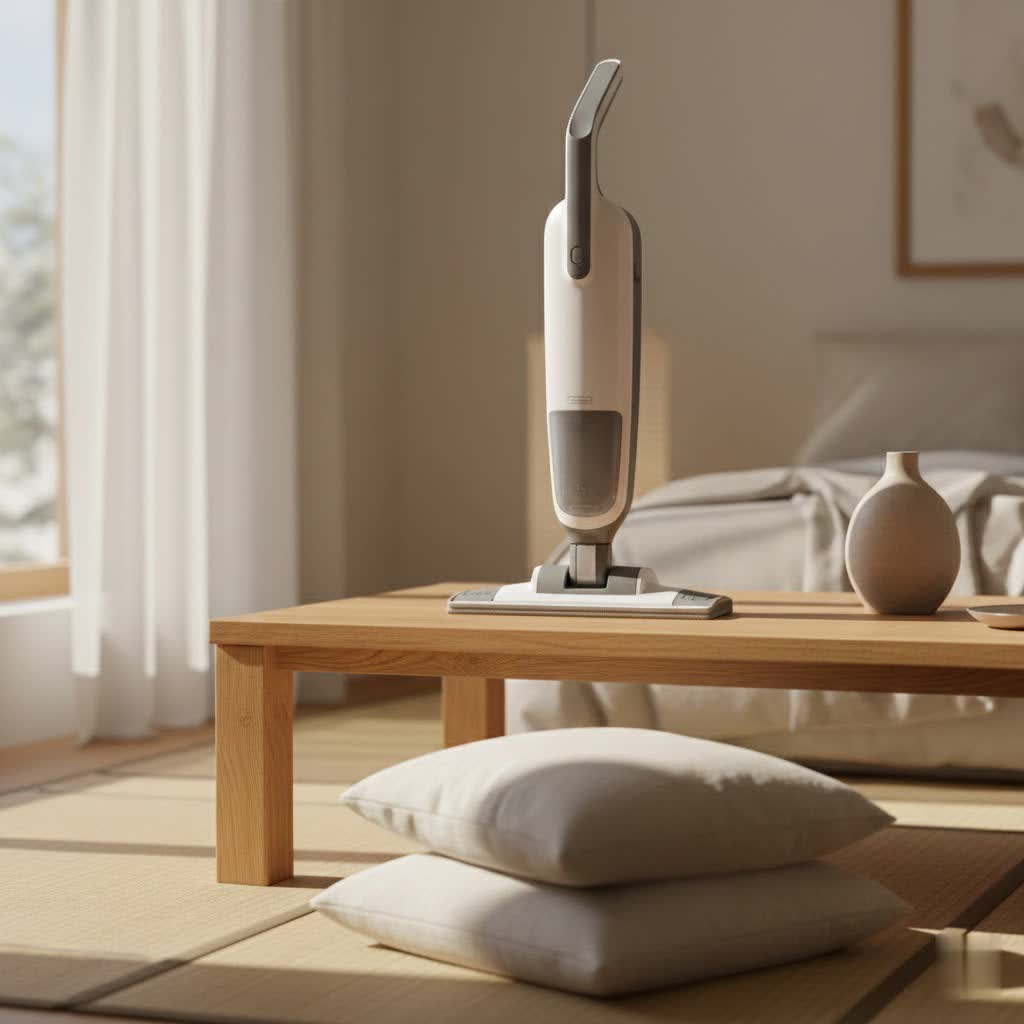
What is a Steam Mop and How Does it Work?
A steam mop is a household cleaning device that uses heat to convert water into steam, which is then released onto a cleaning pad to sanitize and loosen dirt from surfaces. At its core, a heating element rapidly boils water stored in a reservoir. This high-temperature steam is then directed through a nozzle to a microfiber pad, which glides across the floor. The heat and moisture from the steam effectively break down grime, dissolve sticky messes, and kill bacteria and viruses, providing a deep clean without the need for harsh chemical detergents. The pads then capture the loosened dirt, leaving surfaces looking refreshed.
The Allure of Steam Mops for Hardwood: Potential Benefits
The appeal of using a steam mop on hardwood floors is undeniable, primarily due to several compelling advantages over traditional cleaning methods. These benefits, when applicable and performed with extreme caution, highlight why homeowners are drawn to this technology.
Firstly, effective sanitization and germ killing stand out. Steam mops harness high temperatures to eliminate up to 99.9% of bacteria and germs, offering a truly hygienic clean that goes beyond what a regular mop and bucket can achieve. This is particularly beneficial in homes with children, pets, or individuals with allergies, where maintaining a sanitized environment is a top priority.
Secondly, steam cleaning is an eco-friendly and chemical-free approach. By using only water, steam mops eliminate the need for chemical cleaning solutions that can leave behind residues, emit fumes, or pose risks to indoor air quality, pets, and family members. This makes it an attractive option for environmentally conscious households.
Lastly, steam mops can offer time and effort savings. Their design often allows for easy maneuverability and quick cleaning passes, reducing the physical strain associated with scrubbing and wringing out traditional mops. Many users appreciate the quick drying times that can accompany proper steam mop use, minimizing the wait before floors can be walked on again.
The Critical Question: Are Steam Mops Safe for Hardwood Floors?
Despite the appealing benefits, the consensus among flooring experts and manufacturers regarding steam mops on hardwood floors leans heavily towards caution, if not outright avoidance. The primary concern stems from hardwood’s inherent vulnerability to moisture and heat.
Hardwood is an organic material that reacts to its environment. Excessive moisture can seep into the wood’s grain, causing it to swell, warp, cup, or buckle. This damage can be permanent, compromising the structural integrity and aesthetic appeal of your flooring. Furthermore, moisture trapped beneath the surface can create an ideal breeding ground for mold and mildew.
High heat from steam can also be detrimental, especially to the protective finish that shields hardwood floors. Over time, repeated exposure to intense heat can break down the sealant, making the wood more susceptible to scratches, stains, and moisture penetration. This stripping of the finish not only dulls the floor’s appearance but also reduces its lifespan.
The type of hardwood floor is critical. Unsealed or waxed hardwood floors are highly susceptible to immediate damage from steam, as moisture can be absorbed directly into the wood. Engineered hardwood floors, while often having a protective top layer, consist of multiple layers, including a core of plywood or fiberboard. Steam can penetrate the top veneer, weakening the adhesives and causing delamination of these lower layers. Most flooring manufacturers explicitly state in their warranties that using a steam mop will void the coverage, a clear indicator of the risks involved.
> “While steam cleaners offer powerful sanitization, the combination of heat and moisture poses a significant risk to the integrity and longevity of hardwood floors, even those considered sealed.”
When to Consider (and When to Avoid) Steam Mopping Hardwood
Navigating the decision to use a steam mop on your hardwood floors requires a thorough understanding of when it might be potentially acceptable and, more importantly, when it should be strictly avoided.
Consider (with extreme caution and specific conditions):
- Properly Sealed Hardwood: Your hardwood floors must be fully and consistently sealed with a durable finish like polyurethane or aluminum oxide. To test the seal, place a few drops of water on an inconspicuous area; if the water beads up, the seal is intact. If it quickly soaks in, your floors are not adequately sealed.
- Manufacturer Approval: Crucially, always check your flooring manufacturer’s care guidelines. Some manufacturers may explicitly state whether steam cleaning is permissible for their specific product, though many advise against it. Using a steam mop against their recommendation could void your warranty.
- Minimal Steam Output: If proceeding, use a steam mop specifically designed with variable steam control, set to the absolute lowest moisture setting.
- Infrequent Use: Steam mopping should be an occasional deep-cleaning method, not a regular routine. Overuse increases the cumulative risk of moisture damage.
Strictly Avoid:
- Unsealed, Waxed, or Oil-Finished Hardwood: These types of finishes offer little to no protection against moisture penetration, making them highly vulnerable to warping, discoloration, and irreparable damage.
- Engineered Hardwood and Laminate: Despite a top layer, the wood particle or fiberboard core layers of engineered wood and laminate are extremely susceptible to moisture damage and delamination from steam.
- Damaged or Older Floors: Floors with cracks, gaps between planks, loose boards, or a worn-down finish provide easy entry points for steam and moisture, accelerating damage and potentially fostering mold growth beneath the surface.
- Uncertainty: If you are unsure about your floor’s finish, age, or manufacturer recommendations, err on the side of caution and avoid steam cleaning altogether.
Types of Steam Mops & Features to Look for (If You Choose to Proceed)
If, after careful consideration of the risks, you still opt to use a steam mop on your sealed hardwood floors, selecting the right model with specific features is paramount to minimizing potential damage. The key is to choose a mop that offers precise control over moisture and heat.
When looking at steam mops, prioritize models with variable steam settings. This allows you to choose the lowest moisture output, which is crucial for hardwood. A “hardwood” or “delicate” setting is ideal. Look for mops that have a quick heat-up time and fast-drying capabilities, often achieved through efficient steam distribution and effective microfiber pads that absorb moisture quickly. The type and quality of the microfiber pads are also important; opt for thick, highly absorbent pads designed to prevent excess moisture from lingering on the floor.
Lightweight and maneuverable designs are beneficial, as you’ll need to keep the mop moving constantly to prevent steam from concentrating in one area. A large water tank capacity can be convenient for larger areas, but remember that the goal is to use less steam on hardwood, so continuous steaming should be avoided.
Here’s a comparative table of some steam mops often recommended for various hard floor types, noting features that could be beneficial for hardwood if used with extreme caution. Please note: Even models marketed for “all sealed floors” or “hardwood” should be used with the utmost care on hardwood, as manufacturer warnings about steam and wood persist across the industry.
| Product Name | Brand | Price Range | Key Advantages (for delicate surfaces) | Potential Disadvantages | User Rating (1-5 Stars) |
|---|---|---|---|---|---|
| Shark Genius Steam Pocket Mop | Shark | $$$ | Variable steam control, direct steam blasting for tough spots | Might still be too much moisture for some hardwoods | 4.5 |
| Bissell PowerFresh Steam Mop | Bissell | $$ | SmartSet digital steam control, scented discs available | Some models lack extreme low-steam settings | 4.3 |
| PurSteam 10-in-1 Steam Mop | PurSteam | $ | Lightweight, includes garment steamer attachment, adjustable steam | Durability concerns reported by some users | 4.0 |
| Euroflex Vapour Pro M4S | Euroflex | $$$$ | High steam temperature, quick-drying pads, specifically marketed for hardwood | Higher price point, specialized pads may be costly | 4.6 |
| Tineco FLOOR ONE S5 Steam Cleaner | Tineco | $$$$ | Wet/dry vacuum combo, precise water control, self-cleaning, smart features | Can be heavier, higher cost, steam function needs care | 4.7 |
Disclaimer: “Price Range” is a general indicator ($=under $100, $$=$100-200, $$$=$200-300, $$$$=$300+). Always verify current prices and features.
Safer Alternatives for Cleaning Hardwood Floors
Given the inherent risks associated with using steam mops on hardwood, it’s essential to consider safer, equally effective cleaning methods that protect your investment and maintain the beauty of your floors.
One of the most recommended approaches is damp mopping with a pH-neutral wood cleaner. This method involves using a microfiber mop lightly dampened with a cleaning solution specifically formulated for hardwood. The key is to ensure the mop is barely damp, not wet, to avoid introducing excess moisture. Wring out the mop thoroughly until it’s almost dry before applying it to the floor. This gently removes dirt and grime without saturating the wood or stripping its finish.
Regular dry dust mopping or vacuuming is crucial for daily maintenance. Using a soft-bristled broom, a dry microfiber dust mop, or a vacuum cleaner with a hard floor attachment (to prevent scratches) effectively picks up loose dirt, dust, pet hair, and debris. This prevents abrasive particles from scratching the floor’s surface or being ground into the finish, which can dull its appearance over time. Frequent dry cleaning reduces the need for deeper wet cleaning.
For spot cleaning, a microfiber cloth lightly dampened with water or a wood cleaner can quickly address spills or isolated messes. Always wipe up spills immediately to prevent moisture absorption and potential staining. These traditional methods, when performed consistently and correctly, offer excellent results while mitigating the risks associated with high heat and excessive moisture.
Essential Tips for Using a Steam Mop on Hardwood (If You Must)
If you have confirmed your hardwood floors are sealed, consulted your manufacturer, and still decide to use a steam mop, strict adherence to a precise cleaning protocol is vital to minimize potential damage.
- Thorough Pre-Clean: Before activating your steam mop, always sweep or vacuum your hardwood floors thoroughly. This step removes loose dirt, dust, and debris that could otherwise be pushed around, creating streaks or even scratching the floor surface when steam is applied.
- Test in an Inconspicuous Area: Always perform a patch test in a hidden spot, such as under furniture or in a closet. Observe the area for any signs of discoloration, warping, swelling, or residue after cleaning and drying. Wait for at least an hour to ensure no delayed reactions occur.
- Use Distilled Water: To prevent mineral buildup in your steam mop and avoid leaving water spots or streaks on your hardwood, use distilled water in the reservoir.
- Select the Lowest Steam Setting: Crucially, set your steam mop to its lowest possible steam output, often labeled for “delicate” or “hardwood” surfaces. The goal is to produce minimal moisture.
- Keep the Mop Moving Constantly: Never allow the steam mop to sit stationary on any part of your hardwood floor. This can concentrate heat and moisture in one spot, leading to localized damage. Move the mop smoothly and continuously across the surface.
- Work in Small Sections: Clean small sections at a time, making swift, even passes in the direction of the wood grain.
- Immediately Dry Excess Moisture: Even on the lowest setting, some moisture may remain. Follow each steam pass immediately with a dry, clean microfiber cloth to absorb any lingering dampness. This is a critical step to prevent water damage.
- Change Pads Frequently: Use multiple clean microfiber pads during your cleaning session. A dirty pad can spread grime and leave streaks.
- Allow Proper Drying Time: After cleaning, ensure the room is well-ventilated and allow the floors to air dry completely before replacing furniture or allowing foot traffic.
Common Issues and Troubleshooting When Steam Cleaning Hardwood
Even with careful application, issues can arise when using a steam mop on hardwood floors. Understanding common problems and their solutions can help mitigate damage.
One frequent concern is the steam mop not producing steam. This could be due to an empty water tank, a clogged nozzle from mineral buildup (especially if not using distilled water), or a heating element malfunction. Check the water level, clean the nozzle according to the manufacturer’s instructions, and if the issue persists, contact customer support.
Streaking or dullness after cleaning is another common complaint. This often happens if the floor wasn’t properly pre-cleaned, if the microfiber pad is dirty and merely spreading grime, or if too much moisture is left behind. Ensure thorough vacuuming before steaming, change pads frequently, and always dry the floor immediately after passing the mop. Using a low-quality cleaning pad can also contribute to streaking.
Water marks or warping are severe issues and direct indicators that too much moisture or heat was applied. If you notice signs of warping, cupping, or discoloration, discontinue steam cleaning immediately. This typically means the finish has been compromised, or the wood has absorbed excess water. In such cases, the damage may be permanent and professional repair or refinishing might be required. This underscores the importance of the “test first” rule and using the lowest steam setting.
Conclusion
The decision to use a steam mop on hardwood floors is not one to be taken lightly. While the promise of a sanitized, chemical-free clean is attractive, the inherent vulnerabilities of hardwood to heat and moisture present significant risks, including warping, finish damage, and mold growth. While some properly sealed hardwood floors might tolerate infrequent, extremely cautious steam cleaning on the lowest setting, the prevailing expert advice leans towards avoiding steam mops altogether for these delicate surfaces.
Ultimately, protecting your hardwood floors’ longevity and beauty often means opting for safer alternatives like diligent dry dust mopping, regular vacuuming with a soft brush attachment, and damp mopping with pH-neutral wood cleaners. When in doubt, always prioritize the manufacturer’s recommendations and consider the potential long-term consequences. Is the convenience of a steam mop worth the risk to your valuable hardwood?
Frequently Asked Questions
Can I use a steam mop on engineered hardwood floors?
|
Our Picks for the Best Steam Mop in 2026
As an Amazon Associate I earn from qualifying purchases.
|
||
| Num | Product | Action |
|---|---|---|
| 1 | Pressurized Handheld Steam Cleaner for Home Deep Cleaning, Multi-Purpose Portable Steamer for Cleaning with 11 PCS Accessories for Dirt, Grease, Window, Car, Furniture, Bathroom, Couch, Tile and Grout |

|
| 2 | Shark SteamSpot Steam Mop with Steam Blaster Technology, 3 Steam Modes, 2 Washable Pads, XL Removable Water Tank, Lightweight, Steam Cleaner for sealed Hard Floors, Hardwood, Tile, Laminate, S2001 |
|
| 3 | Bissell Power Fresh Steam Mop with Natural Sanitization, Floor Steamer, Tile Cleaner, and Hard Wood Floor Cleaner with Flip-Down Easy Scrubber, 1940A |
|
| 4 | KLONA Portable Steam Cleaner, Hand Held steamers for cleaning house, Home Multi Purpose - 10-Piece Accessory Kit for Sofa, Upholstery, Carpets |
|
| 5 | Shark Steam Mop with 2 Machine Washable Dirt Grip Pads, Removable Water Tank, Lightweight, Steam Cleaner for sealed Hard Floors, Marble, Stone, Hardwood, Tile, Laminate, White/Seafoam, S1000 |
|
| 6 | Steam Mop - 11-in-1 Steam Cleaner for Home with 15.2 OZ Water Tank & 23FT Power Cord, Detachable Steam Mops for Floor Cleaning MultiPurpose Steamer for Hardwood, Tile, Furniture with 11 Accessories |
|
| 7 | Shark Steam & Scrub Steam Mop, All-in-One Scrubbing and Sanitizing Hard Floor Cleaner, LED Headlights, 4 Dirt Grip Soft Scrub Pads Included, XL Water Tank, Swivel Steering, Hawaiian Grey, S8001 |
|
| 8 | Steam Mop, Steam Cleaner with 400ML Water Tank, 2 Washable Pads, 23FT Power Cable floor steamer, Detachable Steam Mops for sealed Hard Floors, Marble, Stone, Hardwood (Purple) |
|
| 9 | 11-in-1 Steam Mop - Detachable Handheld Steam Cleaner with 380mL Tank, 260℉ Floor Steamer for Hardwood, Tile, Grout, Windows, Bath & Kitchen - 3-Level Steam Control, Multi-Purpose Floor Steam Cleaner |
|
| 10 | Shark Steam Pocket Mop with 2 Washable Double-sided Pads, Steam Sanitization, Swivel Steering, Lightweight, Steam Cleaner for Sealed Hard Floors, Hardwood, Marble, Tile, Purple, S3501 |
|
Generally, it is not recommended to use a steam mop on engineered hardwood floors. The high heat and moisture can weaken the adhesives between the layers, causing delamination, swelling, or warping of the wood veneer, potentially leading to irreversible damage to your flooring.
How do I know if my hardwood floors are sealed?
To check if your hardwood floors are sealed, perform a simple water test. Place a few drops of water on an inconspicuous area of the floor. If the water beads up and sits on the surface, your floor is sealed. If it soaks into the wood or leaves a dark spot within a few minutes, the floor is unsealed or needs resealing.
What are the safest ways to clean hardwood floors?
The safest ways to clean hardwood floors include regular dry dust mopping with a microfiber mop or vacuuming with a hard floor attachment. For deeper cleaning, use a microfiber mop lightly dampened with a pH-neutral wood floor cleaner, ensuring no excess water is left on the surface.
Can steam mops cause mold on hardwood floors?
Yes, steam mops can contribute to mold growth if excess moisture penetrates the hardwood floors, especially into cracks, gaps, or beneath the surface. Trapped moisture creates a damp environment conducive to mold and mildew, which can be harmful and difficult to remove.
Will a steam mop void my hardwood floor warranty?
Many hardwood flooring manufacturers explicitly state that using a steam mop will void their product warranty. This is due to the potential for heat and moisture damage. Always check your specific flooring manufacturer’s care guidelines and warranty terms before using a steam mop.
