Tired of endless scrubbing and chemical residues on your beautiful tile floors? You’re not alone. Achieving a truly clean, sanitized tile surface often feels like an uphill battle, especially when dealing with stubborn grout lines and the lingering worry of harsh cleaning agents. What if there was a simpler, more effective way to restore the sparkle to your tiles without all the fuss? This comprehensive guide will explore the world of steam mops for tile, unveiling how these ingenious devices work, their incredible benefits, how to choose the perfect one for your home, and tips to keep your tile floors pristine with minimal effort.
What Exactly is a Steam Mop and How Does it Work?
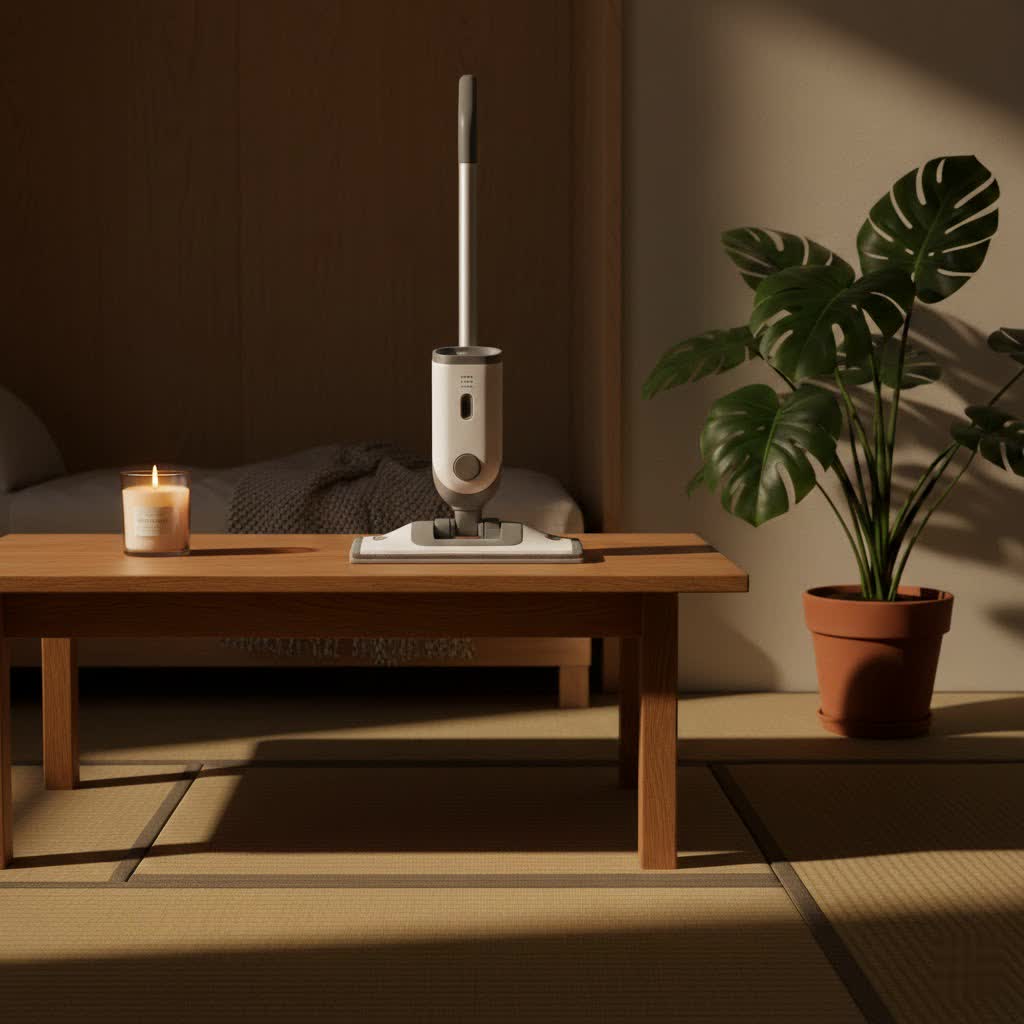
A steam mop is an innovative floor cleaning appliance designed to sanitize and deep clean hard surfaces using only the power of superheated water. Unlike traditional mops that rely on buckets of water and often chemical solutions, a steam mop converts ordinary tap water into high-temperature steam. This steam is then delivered through a specialized mop head, typically covered with a microfiber pad, directly onto your floor.
The fundamental principle behind a steam mop’s effectiveness lies in the intense heat of the steam. When the superheated steam comes into contact with dirt, grime, and bacteria on your tile, it rapidly loosens and breaks down these contaminants. The microfiber pad then efficiently captures the dislodged dirt and absorbs excess moisture, leaving your tile floors not just visibly clean, but also sanitized without the need for harsh chemicals. This chemical-free approach is not only environmentally friendly but also creates a healthier indoor environment for your family and pets.
The Undeniable Benefits of Using a Steam Mop on Tile
Opting for a steam mop to clean your tile floors offers a myriad of advantages that go beyond surface-level aesthetics. These benefits contribute to a cleaner home, a healthier living space, and a more efficient cleaning routine.
Firstly, superior cleaning and sanitization are at the core of what makes steam mops so appealing. The high temperature of the steam is incredibly effective at killing up to 99.9% of bacteria, germs, and allergens residing on your tile surfaces and within the porous grout lines. This deep sanitization, achieved without any chemical additives, provides peace of mind, particularly in homes with children, pets, or individuals with allergies. It tackles stubborn grime that traditional mopping often leaves behind, restoring the original luster of your tiles.
Secondly, steam mops are a game-changer for saving time and effort. Gone are the days of lugging heavy buckets of dirty water, constantly wringing out a mop head, and waiting for floors to air dry. Steam mops are designed for convenience; you simply fill the reservoir, wait for a quick heat-up, and glide. The high heat of the steam also means that floors dry much faster compared to conventional mopping, allowing you to get back to enjoying your home sooner.
Thirdly, their eco-friendliness is a significant draw. By relying solely on water to clean and sanitize, steam mops eliminate the need for chemical cleaning agents, reducing your household’s chemical footprint and promoting a greener lifestyle. This not only benefits the environment but also removes concerns about chemical residues on your floors.
Finally, many modern steam mops offer impressive versatility. While exceptional for tile, many models come with various attachments that extend their cleaning prowess to other sealed hard surfaces like vinyl, linoleum, and some sealed natural stone. Specialized brushes can deeply clean grout, while other accessories can tackle bathroom fixtures, kitchen counters, or even freshen carpets, making them a multi-purpose cleaning tool for your entire home.
Popular Types of Steam Mops for Your Tiled Surfaces
The market offers a range of steam mop designs, each with unique features tailored to different cleaning needs and preferences. Understanding these variations can help you pinpoint the best option for your tile floors.
- Upright (Stick) Steam Mops: These are the most common type, resembling a traditional mop but with a water tank and heating element built into the handle or base. They are lightweight, easy to maneuver, and ideal for everyday cleaning and sanitizing of large floor areas. Their slim profile makes them easy to store.
- Handheld Steamers: Compact and portable, handheld steamers are designed for targeted cleaning. They excel at tackling small, hard-to-reach areas, stubborn stains on grout, bathroom fixtures, stovetops, and other non-floor surfaces. Some upright models feature a detachable handheld unit.
- Canister Steam Cleaners: These are typically larger and more powerful units with a separate water tank canister on wheels, connected to a steam gun via a hose. Canister steamers offer longer continuous steam time, higher steam pressure, and a wider array of attachments for heavy-duty cleaning tasks, including extensive grout cleaning, wallpaper removal, and upholstery refreshing.
- Multi-functional (2-in-1 or 3-in-1) Steam Mops: These versatile models often combine the benefits of an upright steam mop with a detachable handheld steamer. This allows for seamless transitions between cleaning floors and tackling elevated surfaces or intricate areas like grout lines. Some even include carpet gliders for refreshing rugs.
When choosing, consider the size of your tiled area, the types of stains you typically encounter, and whether you need to clean other surfaces besides floors. A 2-in-1 model, for instance, offers excellent flexibility for homes with diverse cleaning requirements.
Steam Mop vs. Traditional Methods: A Tiled Showdown
When it comes to cleaning tile floors, you have several options, but how does a steam mop stack up against more conventional approaches? Understanding these comparisons can highlight why a steam mop might be the superior choice for your home.
Steam Mop vs. Traditional Mop and Bucket:
- Cleaning Power: Steam mops use high-temperature steam to loosen grime and kill bacteria, providing a deeper, chemical-free clean and superior sanitization, especially for grout. Traditional mops often just spread dirty water around and rely on chemical cleaners for disinfection.
- Drying Time: Floors cleaned with a steam mop typically dry much faster due to the hot, fine mist of steam, minimizing streaks and allowing quicker access to the cleaned area. Traditional mopping leaves more water on the floor, requiring longer drying times.
- Convenience: Steam mops eliminate the need for heavy buckets, constant wringing, and refilling with dirty water. They are generally easier to maneuver. Traditional mopping involves more manual effort.
- Eco-friendliness: Steam mops use only water, reducing chemical waste. Traditional mopping often requires detergents and can generate more wastewater.
- Cost: Steam mops have a higher initial investment but save money on cleaning solutions. Traditional mops are cheaper upfront but require ongoing purchases of cleaners.
Steam Mop vs. Vacuum Cleaners:
Vacuum cleaners are excellent for removing loose dirt, dust, and debris from tile floors before wet cleaning. However, they do not sanitize, remove stuck-on grime, or deep clean grout. A steam mop complements a vacuum cleaner perfectly: vacuum first, then steam mop for a truly deep and hygienic clean.
Steam Mop vs. Chemical Cleaners:
One of the most significant advantages of a steam mop is its ability to clean effectively without any chemical solutions. This avoids the sticky residues, strong odors, and potential health risks associated with chemical cleaners. For households sensitive to chemicals or with young children and pets, the chemical-free aspect of steam cleaning is invaluable. While chemicals can clean, they don’t always sanitize as effectively at a microscopic level as high-temperature steam.
Ultimately, for a deep, sanitized, and chemical-free clean on tile floors, a steam mop often surpasses traditional methods in both effectiveness and convenience.
Top Steam Mops for Tile Floors: A Quick Comparison
Choosing the right steam mop can be overwhelming with so many models available. Here’s a comparison of some popular steam mop types often recommended for tile and grout, highlighting their general characteristics. Please note that specific prices and ratings fluctuate and should be checked at the time of purchase.
| Product Type Example | Brand Example | General Price Range | Key Advantages | Potential Disadvantages |
|---|---|---|---|---|
| Upright Mop | Shark S1000 | Budget-Mid | Lightweight, easy to use, quick heat-up, effective for daily cleaning. | Fewer attachments, basic features, less versatile for non-floor tasks. |
| 2-in-1 Mop | Bissell PowerFresh Pet | Mid-High | Detachable handheld steamer for versatility, includes specialized tools for grout and pet messes. | Can be heavier than basic uprights, corded. |
| Multi-Purpose Mop | PurSteam 10-in-1 | Mid-Range | Comes with many attachments for floors, garments, windows, and more; good value. | May have smaller water tank, build quality varies by model. |
| Heavy-Duty Mop | Hoover Steam Complete Pet | Mid-High | Strong steam output, good for tough stains and grout, various attachments, quick heat-up. | Can be bulkier, corded. |
| Canister Cleaner | Dupray Neat | High-End | Continuous, powerful steam, large water tank, robust accessories for extensive cleaning. | More expensive, takes up more storage space, less maneuverable for quick floor passes. |
This table provides a generalized overview. When making a purchase, always consult the latest product reviews and specifications.
Your Guide to Choosing the Perfect Steam Mop for Your Tile
Selecting the ideal steam mop for your tile floors involves considering several factors to ensure it meets your specific cleaning needs and household demands.
1. Type of Tile Flooring:
Most steam mops are excellent for sealed ceramic and porcelain tiles. For natural stone tiles like marble, granite, or slate, always verify if they are sealed, and check the stone manufacturer’s recommendations. While many sealed natural stone floors can be steam cleaned, some delicate stones may be susceptible to damage from excessive heat or moisture. Unsealed tiles are generally not recommended for steam cleaning as moisture can penetrate and cause issues.
2. Cleaning Area Size:
Consider the total area of tile you need to clean. For larger homes or extensive tiled spaces, a steam mop with a larger water tank capacity will minimize refills, allowing for longer continuous cleaning sessions. Look for models with a decent cord length (or consider a cordless option, if available, though these are less common for steam mops) to avoid constantly searching for power outlets.
3. Budget:
Steam mops vary significantly in price. Basic upright models are more affordable and great for everyday cleaning. Mid-range options often include additional features and attachments. High-end canister steamers or premium 2-in-1 models provide more power, versatility, and durability but come at a higher cost. Determine your budget and balance it with the features you truly need.
4. Key Features to Look For:
- Adjustable Steam Settings: This allows you to control the steam output, offering a lighter clean for delicate tiles and a more powerful burst for stubborn stains and grout.
- Heat-Up Time: A faster heat-up time means you can start cleaning almost instantly, which is great for quick touch-ups.
- Attachments: Look for specialized brushes for grout, squeegees for windows, garment steamers, or concentrator nozzles if you plan to use the mop for more than just floors.
- Detachable Handheld Unit: A “lift-off” or 2-in-1 feature provides excellent versatility for cleaning counters, showers, and other non-floor surfaces.
- Mop Pad Material and Quantity: Microfiber pads are highly effective. Check if the mop comes with multiple washable pads, as you’ll want to change them when they get dirty.
- Maneuverability and Weight: A lightweight mop with a swivel head is easier to push around furniture and into corners.
5. Brand Reputation and Warranty:
Opt for reputable brands known for quality and customer service. Read user reviews to gauge real-world performance and reliability. Always check the warranty offered, as it can provide peace of mind for your investment.
By carefully evaluating these factors, you can confidently choose a steam mop that not only effectively cleans and sanitizes your tile floors but also aligns perfectly with your lifestyle and budget.
Maximizing Your Steam Mop’s Potential: Usage and Maintenance Tips
To ensure your steam mop delivers sparkling clean tile floors and enjoys a long lifespan, proper usage and routine maintenance are crucial.
How to Use Your Steam Mop on Tile:
- Pre-Clean the Floor: Before you even plug in your steam mop, sweep or vacuum your tile floors thoroughly. This step is critical as it removes loose dirt, dust, and debris, preventing the steam mop from simply pushing dirt around or causing streaks.
- Fill with Distilled Water: Always use clean, distilled water in your steam mop’s reservoir. Tap water contains minerals that can build up over time, leading to blockages, reduced steam output, and white streaks on your floors. Avoid adding any chemical cleaning solutions or essential oils to the water tank unless explicitly stated by the manufacturer, as this can damage the internal components.
- Attach a Clean Pad: Ensure a clean microfiber pad is securely attached to the mop head. Have several spare pads on hand, as you’ll want to change them as soon as they become visibly dirty to maintain optimal cleaning performance and prevent spreading grime.
- Heat Up: Plug in the mop and wait for it to heat up, indicated by a light or sound, before you start cleaning. This usually takes under a minute.
- Steam Clean Slowly: Glide the steam mop slowly and steadily over your tile surfaces. The slower motion allows the steam more time to penetrate and loosen dirt effectively. For stubborn spots or heavily soiled grout, hold the mop over the area for a few extra seconds to allow the steam to work its magic before moving on.
- Overlap Strokes: Work in small sections and overlap your strokes slightly to ensure even cleaning across the entire floor.
How to Clean and Maintain Your Steam Mop:
- Wash Mop Pads Regularly: After each cleaning session, remove the microfiber pad and machine wash it according to the manufacturer’s instructions. Avoid fabric softeners, as they can reduce the pad’s absorbency.
- Empty Water Tank: Always empty any leftover water from the reservoir after use and allow it to air dry to prevent stagnant water and potential mineral buildup.
- Descale Periodically: Depending on how often you use your mop and whether you use tap water (though distilled is recommended), mineral deposits can accumulate. Follow your manufacturer’s descaling instructions, typically involving a vinegar solution, to keep the steam jets clear and efficient.
- Clean the Exterior: Wipe down the exterior of your steam mop with a damp cloth as needed to keep it clean.
- Store Properly: Store your steam mop in a dry place, ensuring the cord is neatly wrapped to prevent damage.
Safety Considerations:
- Never leave the steam mop stationary on any surface for an extended period, especially on delicate or unsealed floors, as the concentrated heat and moisture can cause damage.
- Keep children and pets away from the hot steam and operating mop.
- Always unplug the mop before changing pads, refilling water, or performing maintenance.
- Ensure your floor type is suitable for steam cleaning to avoid damage. When in doubt, test an inconspicuous area first.
By following these guidelines, you can ensure your steam mop remains a highly effective and safe tool for maintaining impeccably clean tile floors.
Common Steam Mop Headaches and How to Fix Them
Even the most reliable steam mops can encounter occasional issues. Understanding common problems and their straightforward solutions can save you time and frustration, keeping your cleaning routine smooth.
1. Steam Mop Not Producing Steam:
- Check Water Level: This is the most common culprit. Ensure the water tank is filled to the appropriate level.
- Power Connection: Verify that the mop is securely plugged into a working outlet.
- Heat-Up Time: Give the mop adequate time to heat up. Most models have an indicator light that turns on or off when ready.
- Mineral Buildup: If you’re consistently using tap water, mineral deposits can clog the steam jets. Consult your manual for descaling instructions, which often involve using a white vinegar solution to clear blockages.
2. Steam Mop is Leaking Water:
- Overfilling: Avoid overfilling the water tank. Stick to the maximum fill line.
- Loose Cap/Seal: Ensure the water tank cap is tightly secured and that all seals are properly in place.
- Cracked Tank: Inspect the water tank for any cracks or damage. If damaged, it may need to be replaced.
- Mineral Clogs: As with no steam, clogs can sometimes lead to pressure buildup and leakage. Descaling may help.
3. Leaving Streaks or Residue on Tile Floors:
- Dirty Mop Pad: The most frequent cause of streaking. Change your microfiber pad as soon as it appears dirty. Have several clean pads ready.
- Unswept Floor: If loose dirt and debris aren’t removed before steaming, the mop will just push them around, causing streaks. Always vacuum or sweep thoroughly first.
- Tap Water Minerals: Using tap water can lead to mineral deposits that leave white streaks. Switching to distilled water can significantly reduce this issue.
- Chemical Additives: If you’ve added unauthorized cleaning solutions or oils to the tank, they can leave a residue. Only use water unless the manufacturer specifically allows additives.
4. Steam Mop Not Cleaning Effectively:
- Too Fast Mopping: Moving the mop too quickly doesn’t allow the steam enough time to break down grime. Slow down your passes, especially on tough spots.
- Insufficient Steam Setting: If your mop has adjustable steam settings, ensure you’re using an appropriate level for the amount of dirt. Higher steam for heavier grime.
- Heavily Soiled Floors: Steam mops are great for maintenance and deep cleaning but not ideal for extremely heavy, caked-on messes. For such scenarios, a preliminary scrub might be needed.
- Worn Mop Pad: Over time, even clean pads can become less effective. Replace old, worn-out pads.
For persistent issues, always refer to your steam mop’s user manual. If troubleshooting doesn’t resolve the problem, contacting the manufacturer’s customer service or a qualified repair technician is the next best step.
Conclusion
A steam mop offers a revolutionary way to keep your tile floors impeccably clean and hygienically sanitized. By harnessing the natural power of steam, these devices eliminate the need for harsh chemicals, making your home a healthier and more eco-friendly environment. From effortlessly cutting through grime and busting bacteria to reducing drying times and minimizing effort, the benefits for tile floors are undeniable. With a variety of types available and essential features to consider, choosing the right steam mop can transform your cleaning routine. Remember to pre-clean your floors, use distilled water, and maintain your device properly to unlock its full potential.
Are you ready to experience the deep, chemical-free clean that a steam mop can bring to your tile floors?
Frequently Asked Questions
Are steam mops safe for all types of tile?
|
Our Picks for the Best Steam Mop in 2026
As an Amazon Associate I earn from qualifying purchases.
|
||
| Num | Product | Action |
|---|---|---|
| 1 | Shark Steam Mop with 2 Machine Washable Dirt Grip Pads, Removable Water Tank, Lightweight, Steam Cleaner for sealed Hard Floors, Marble, Stone, Hardwood, Tile, Laminate, White/Seafoam, S1000 |

|
| 2 | Pressurized Handheld Steam Cleaner for Home Deep Cleaning, Multi-Purpose Portable Steamer for Cleaning with 11 PCS Accessories for Dirt, Grease, Window, Car, Furniture, Bathroom, Couch, Tile and Grout |
|
| 3 | KLONA Portable Steam Cleaner, Hand Held steamers for cleaning house, Home Multi Purpose - 10-Piece Accessory Kit for Sofa, Upholstery, Carpets |
|
| 4 | Steam Mop - 11-in-1 Steam Cleaner for Home with 15.2 OZ Water Tank & 23FT Power Cord, Detachable Steam Mops for Floor Cleaning MultiPurpose Steamer for Hardwood, Tile, Furniture with 11 Accessories |
|
| 5 | Shark SteamSpot Steam Mop with Steam Blaster Technology, 3 Steam Modes, 2 Washable Pads, XL Removable Water Tank, Lightweight, Steam Cleaner for sealed Hard Floors, Hardwood, Tile, Laminate, S2001 |
|
| 6 | 11-in-1 Steam Mop - Detachable Handheld Steam Cleaner with 380mL Tank, 260℉ Floor Steamer for Hardwood, Tile, Grout, Windows, Bath & Kitchen - 3-Level Steam Control, Multi-Purpose Floor Steam Cleaner |
|
| 7 | Bissell Power Fresh Steam Mop with Natural Sanitization, Floor Steamer, Tile Cleaner, and Hard Wood Floor Cleaner with Flip-Down Easy Scrubber, 1940A |
|
| 8 | Shark Steam Pocket Mop with 2 Washable Double-sided Pads, Steam Sanitization, Swivel Steering, Lightweight, Steam Cleaner for Sealed Hard Floors, Hardwood, Marble, Tile, Purple, S3501 |
|
| 9 | Steam Mop, Steam Cleaner with 400ML Water Tank, 2 Washable Pads, 23FT Power Cable floor steamer, Detachable Steam Mops for sealed Hard Floors, Marble, Stone, Hardwood (Purple) |
|
| 10 | Shark Steam & Scrub Steam Mop, All-in-One Scrubbing and Sanitizing Hard Floor Cleaner, LED Headlights, 4 Dirt Grip Soft Scrub Pads Included, XL Water Tank, Swivel Steering, Hawaiian Grey, S8001 |
|
Steam mops are generally safe and highly effective for sealed ceramic and porcelain tiles. However, it’s crucial to exercise caution with unsealed tiles or some natural stone tiles (like unsealed marble or limestone) as excessive heat and moisture could potentially cause damage. Always check your tile manufacturer’s guidelines.
Can a steam mop clean grout effectively?
Yes, steam mops are excellent for cleaning grout. The high-temperature steam helps to loosen and lift dirt and grime embedded in grout lines, which traditional mopping often misses. Many models come with specialized brush attachments designed to target and scrub stubborn grout stains for an even deeper clean.
Do I need to use cleaning solutions with a steam mop?
No, one of the primary advantages of a steam mop is its ability to clean and sanitize effectively using only water. Adding chemical cleaning solutions or essential oils to the water tank is generally not recommended as it can damage the mop’s internal components and may leave residues on your floors.
How often should I steam mop my tile floors?
The frequency of steam mopping depends on your household’s traffic and how quickly your floors get dirty. For high-traffic areas like kitchens and entryways, steam mopping once a week or bi-weekly can maintain cleanliness. Less frequented areas might only need it once a month or as needed for a deep clean.
