Keeping your hardwood floors pristine and truly clean can feel like a never-ending battle. From everyday dust and pet dander to sticky spills and hidden germs, maintaining that beautiful shine without risking damage requires the right tools and knowledge. If you’ve been wondering how to achieve a deep, sanitized clean without harsh chemicals, a steam mop could be your answer. This comprehensive guide will navigate the world of steam mops, focusing specifically on how to select and use the best models to safely and effectively clean your cherished hardwood floors. Get ready to discover a revolutionary way to bring out the natural beauty and cleanliness of your home.
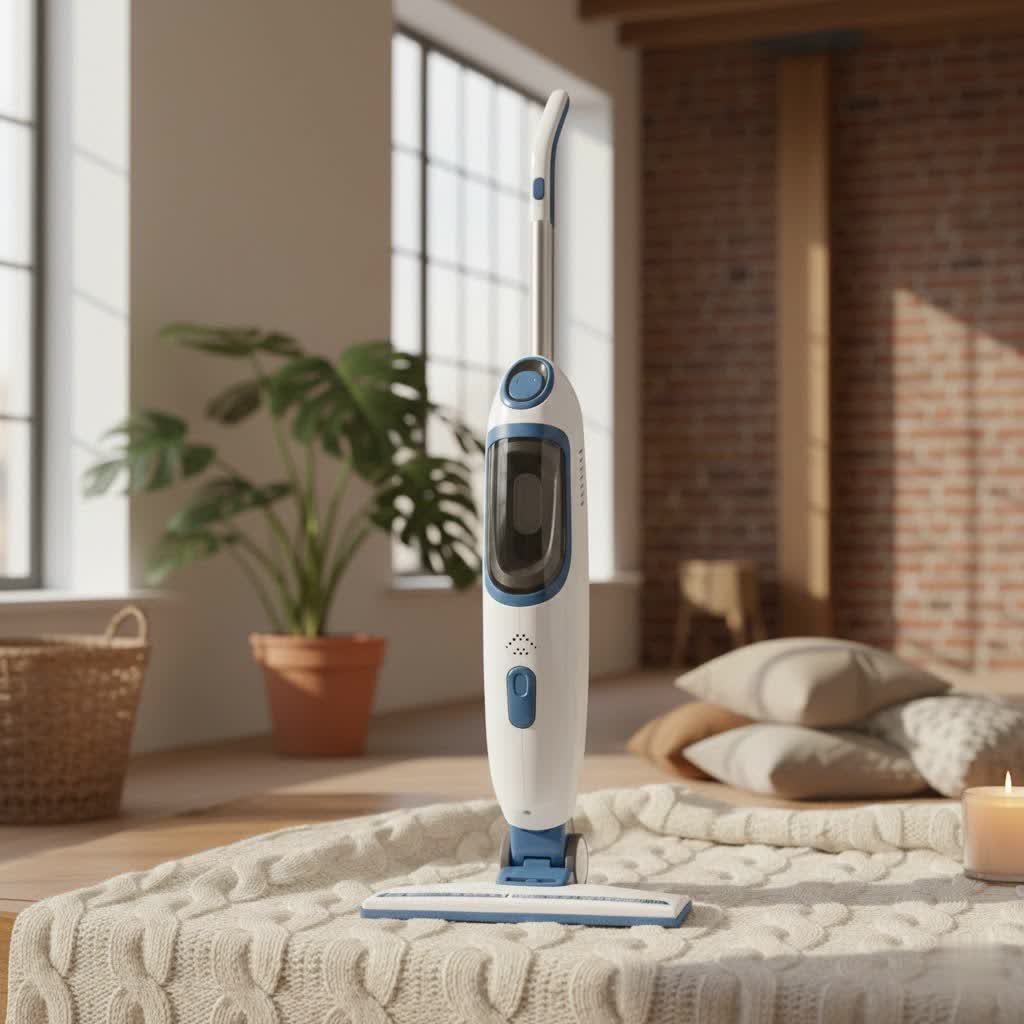
What is a Steam Mop and How Does It Work?
A steam mop is a modern floor cleaning device that utilizes heated water to generate steam, which then cleans and sanitizes hard surfaces. Unlike traditional mops that rely on buckets of water and often chemical cleaners, a steam mop uses only tap water, transforming it into high-temperature steam that effectively loosens dirt, grime, and even kills up to 99.9% of bacteria and viruses without the need for detergents.
The basic principle involves a water reservoir that feeds water into a heating element. Once heated, the steam is released through a nozzle onto a microfiber cleaning pad. This pad traps the loosened dirt and absorbs the minimal moisture, leaving your floors remarkably clean and quick to dry. The history of steam mops dates back to the early 2000s, emerging as a more hygienic and eco-friendly alternative to conventional mopping, continually evolving with features like adjustable steam settings and specialized attachments to cater to various cleaning needs and floor types.
Benefits of Using a Steam Mop
Embracing a steam mop for your home cleaning offers a multitude of advantages that go beyond just a visibly clean floor. These innovative devices provide a deeper clean and significant convenience, especially for delicate surfaces like sealed hardwood.
Firstly, steam mops deliver highly effective cleaning and sanitization. The superheated steam penetrates and lifts grime more efficiently than cold water and chemicals, effortlessly tackling dried-on spills and embedded dirt. More importantly, this high temperature eradicates common household bacteria and viruses, providing a healthier environment for your family and pets without introducing harmful residues.
Secondly, they are time and labor-saving. The continuous steam flow and gliding motion reduce the physical effort required compared to scrubbing with a traditional mop. Floors dry much faster as well, often within minutes, meaning less downtime and reducing the risk of water damage, particularly crucial for hardwood.
Furthermore, steam mops are an environmentally friendly choice. By using only water, they eliminate the need for disposable pads and chemical cleaning solutions, cutting down on waste and exposure to harsh substances. This makes them ideal for households with children, pets, or individuals sensitive to chemicals.
Finally, many steam mops offer impressive versatility. While our focus is hardwood, many models come with attachments that allow you to clean a variety of surfaces beyond floors, such as grout, countertops, shower walls, and even freshen carpets, making them a multi-functional cleaning powerhouse for your entire home.
Popular Types of Steam Mops on the Market
The steam mop market has diversified to meet various cleaning demands, offering different designs that cater to specific user preferences and tasks. Understanding these types will help you narrow down the best choice for your hardwood floors.
Upright Steam Mops (Stick Steam Mops): These are the most common type, resembling a traditional stick vacuum. They are designed primarily for floor cleaning and are often lightweight and easy to maneuver. Many upright models feature swivel steering and low-profile heads to reach under furniture and into corners. They are excellent for daily maintenance and quick sanitization of large areas.
Handheld Steamers: Compact and portable, handheld steamers are ideal for targeted cleaning tasks rather than entire floors. They excel at sanitizing countertops, sinks, bathroom fixtures, and even refreshing upholstery or garments. While not designed for full-floor cleaning, some 2-in-1 models allow the main body to detach into a handheld unit, offering dual functionality.
2-in-1 or Multi-functional Steam Mops: These versatile models combine the features of an upright steam mop with a detachable handheld steamer. This allows you to clean floors with the main unit and then switch to the handheld for above-floor cleaning tasks using various attachments like brushes, squeegees, and garment steamers. They offer excellent value for those seeking a comprehensive chemical-free cleaning solution for their entire home.
When comparing these types, consider your primary cleaning needs. An upright model is perfect if you mainly need to clean floors, prioritizing ease of use and quick drying. A multi-functional steam mop is a better investment if you desire the flexibility to tackle a wider range of surfaces beyond your hardwood floors. Handheld-only units are specialized for spot cleaning and specific detailing. Each type has its advantages, but for hardwood floors, an upright or 2-in-1 model with adjustable steam settings is generally recommended.
Comparing Steam Mops with Traditional Cleaning Methods
When it comes to maintaining clean floors, particularly hardwood, steam mops present a compelling alternative to conventional cleaning methods. Their unique approach offers distinct benefits in terms of hygiene, efficiency, and environmental impact.
Compared to manual hand mopping, steam mops eliminate the need for heavy buckets and dirty wring-outs. Hand mopping often pushes dirty water around, potentially leaving streaks and a residue of germs. Steam mops, on the other hand, use fresh steam and a clean microfiber pad to lift and trap dirt, providing a truly sanitized surface that dries quickly, preventing water damage to hardwood and reducing drying time.
Against vacuum cleaners, steam mops serve a different purpose. While vacuums are excellent for removing dry debris, dust, and pet hair, they don’t offer the deep cleaning and sanitizing power of steam. A steam mop effectively tackles sticky messes, stains, and kills bacteria and viruses that a vacuum cannot. For optimal cleaning, it’s generally recommended to vacuum hardwood floors first to remove loose debris, and then follow with a steam mop for a thorough, hygienic clean.
When considering chemical cleaning solutions, steam mops stand out as a chemical-free alternative. Traditional cleaners often leave behind chemical residues that can be harmful to pets and children, dull the finish of hardwood floors over time, or trigger allergies. Steam mops use only water, ensuring a safe, pure clean that’s gentle on your floors and healthier for your home environment. This chemical-free approach is particularly beneficial for preserving the integrity and shine of sealed hardwood, which can be sensitive to harsh detergents.
Comparison Table of the Best Steam Mops Currently
Choosing the right steam mop for your hardwood floors means looking for features that prioritize safety, effectiveness, and user-friendliness. Here’s a comparison of top-rated steam mops that excel in cleaning sealed hardwood floors, balancing performance with protecting your surfaces.
| Product Name | Brand | Price Range | Pros | Cons | Rating (1-5 stars) |
|---|---|---|---|---|---|
| Bissell PowerFresh Steam Mop | Bissell | Mid-Range | – Quick 30-second heat-up. – Three adjustable steam settings (low, medium, high) for varied surfaces, including sealed hardwood. – Lightweight and easy to maneuver. – Eliminates 99.9% of germs. – Comes with soft and scrubby microfiber pads. | – Scrubber pad may require extra effort. – Not designed for above-floor cleaning. | 4.5 |
| Shark Genius Hard Floor Cleaning System Pocket (S5003D) | Shark | Mid-Range | – Steam Blaster technology for tough grime. – Two-sided mop pad for extended cleaning. – Touch-free pad attachment/release. – Offers powerful, deep cleaning. | – Steam selection buttons are on the base, requiring bending. – Not meant for above-floor cleaning. | 4.4 |
| LIGHT ‘N’ EASY Multifunctional Steam Mop | LIGHT ‘N’ EASY | Mid-High | – 3-in-1 versatility: upright mop, handheld steamer, garment steamer. – Three adjustable steam settings. – Suitable for sealed wood, laminate, tile, stone. – Excellent customer service and 1-year warranty. | – More expensive than basic models. – Basic mop head design. | 4.3 |
| ThermaPro Elite 12-in-1 Steam Mop | ThermaPro | Mid-Range | – Highly versatile 12-in-1 functionality with detachable handheld steamer. – Triangular mop head for reaching corners. – Abundance of accessories for various cleaning tasks (tile walls, stovetops, etc.). – 2-year warranty included. | – Only one microfiber pad included (triangular, harder to replace). – Shorter power cord (16 feet). | 4.2 |
| Simpli-Magic 79153 5-in-1 Steam Mop | Simpli-Magic | Budget | – Budget-friendly and straightforward design. – Lightweight and easy to move around. – Works on multiple surfaces including wood, laminate, and carpet (with glider). – Simple to use. | – Fewer extras compared to other models. – Replacement pads can be hard to find. – Not designed for heavy-duty cleaning. | 3.9 |
| Bissell PowerFresh Pet Steam Mop | Bissell | Mid-High | – Heats up in 30 seconds. – Two steam settings. – Built-in scrubber brush for tough messes. – Detachable handheld pod with 13 attachments. – Effectively cleaned dried-on pet messes on faux hardwood. | – Refilling water tank can be awkward. – Slightly heavier than some upright models. | 4.6 |
| Shark Steam and Scrub Steam Mop | Shark | Mid-High | – Dual spinning heads do the scrubbing work for you. – Effective on dried, set-in messes. – Streamlined, lightweight, excellent swivel. – Pads are machine washable. | – Loosens grime but doesn’t absorb it (may need to follow with vacuum). – Cord can be flimsy/in the way. – Primarily for floors, less versatile than 2-in-1s. | 4.4 |
When making your choice, remember that for hardwood floors, models with adjustable steam settings are paramount, allowing you to use a low setting to protect the wood. Consider the design, weight, and included attachments based on your specific cleaning habits and the overall layout of your home.
Guide to Choosing the Right Steam Mop (Buying Guide)
Selecting the ideal steam mop for your hardwood floors requires careful consideration of several factors. A smart purchase ensures both effective cleaning and the long-term protection of your valuable flooring.
First, assess your floor type. Steam mops are generally safe for sealed hardwood, ceramic, tile, linoleum, and some laminate floors. Crucially, always confirm your hardwood floors are properly sealed. A simple test: drip a few drops of water on an inconspicuous area. If the water beads up, your floor is sealed; if it soaks in, it’s unsealed, and a steam mop should be avoided to prevent moisture damage. For laminate and vinyl, use a low heat setting to prevent warping or discoloration.
Next, consider the area you need to clean. For smaller homes or quick touch-ups, a lightweight, basic upright model might suffice. If you have large areas of hardwood, look for models with a larger water tank capacity to minimize refills and a longer power cord for extended reach.
Your budget will also play a role. Steam mops range from affordable basic models to more expensive multi-functional units. Determine what features are essential for you and find a balance between price and performance. Remember that a higher price often correlates with more features, better build quality, and additional attachments.
Finally, evaluate additional features that enhance usability and effectiveness:
- Adjustable Steam Control: This is critical for hardwood floors. Look for mops with low, medium, and high settings, allowing you to use minimal steam to prevent moisture buildup.
- Heat-up Time: Faster heat-up times mean you can start cleaning almost immediately.
- Water Tank Capacity: A larger tank reduces interruptions for refilling, especially for bigger homes.
- Maneuverability: Swivel steering and a lightweight design make it easier to navigate around furniture and into tight spaces.
- Attachments: If you need to clean more than just floors, a 2-in-1 model with a detachable handheld steamer and various brushes or nozzles adds significant value.
- Microfiber Pads: Check if they are machine washable and readily available for replacement. The quality and texture of the pads can impact cleaning effectiveness and gentleness on hardwood.
Expert Advice:
“When selecting a steam mop for hardwood, prioritize models with precise steam control. Using a low, consistent steam setting is crucial to prevent moisture from damaging the finish of your sealed wood floors.” – Admin, reviewmyui.com, Steam Mop Technician
Always choose reputable brands and read user reviews for insights into real-world performance and durability. Also, verify the warranty policy for peace of mind.
How to Use and Maintain Your Steam Mop Correctly
Using and maintaining your steam mop properly ensures both effective cleaning results and the longevity of your appliance, especially when cleaning delicate hardwood floors.
Assembly and Initial Use:
- Read the Manual: Always start by reviewing your specific model’s instruction manual.
- Assemble: Most steam mops snap together easily. Attach the handle to the main body and the mop head.
- Fill Water Tank: Use distilled or demineralized water if recommended by the manufacturer, especially in hard water areas, to prevent mineral buildup and extend the life of your mop. Fill the reservoir to the indicated line.
- Attach Cleaning Pad: Securely attach a clean microfiber cleaning pad to the mop head.
- Heat Up: Plug in the mop and allow it to heat up. This usually takes 30 seconds to a few minutes, indicated by a light or sound.
- Select Steam Setting: For hardwood floors, always start with the lowest steam setting to minimize moisture exposure.
- Pre-Clean Floors: Before steam mopping, vacuum or sweep your hardwood floors thoroughly to remove any loose dirt, dust, and debris. Steam mops are for sanitizing and lifting grime, not for picking up solid particles.
Using Your Steam Mop on Hardwood:
- Keep Moving: Glide the mop steadily and continuously across the floor. Avoid letting the mop sit in one spot for too long, as this concentrates steam and can potentially damage hardwood.
- Overlap Passes: Slightly overlap your passes to ensure even cleaning and sanitization.
- Work in Sections: Clean a small area at a time to ensure quick drying.
- Wipe if Necessary: Although steam mops leave floors nearly dry, if you notice any excess moisture, quickly wipe it with a dry microfiber cloth.
Cleaning and Maintenance:
- Empty Water Tank: After each use, always unplug the mop and allow it to cool. Then, empty any remaining water from the reservoir to prevent stagnant water buildup and potential mold or mildew.
- Wash Microfiber Pads: Remove the cleaning pads and machine wash them according to the manufacturer’s instructions. Avoid fabric softeners, as they can reduce the pads’ absorbency. Air dry or tumble dry on low.
- Descaling (if applicable): If your mop requires descaling, follow the instructions in the manual. This typically involves using a descaling solution or a vinegar-water mixture to clean mineral deposits from the internal components.
- Inspect Cord and Connections: Periodically check the power cord for any fraying or damage, and ensure all connections are secure.
- Proper Storage: Store your steam mop upright in a dry place. Some models have hooks for wall storage or lock upright for convenience.
Adhering to these guidelines will help you achieve sparkling, sanitized hardwood floors while extending the lifespan of your steam mop.
Common Issues When Using a Steam Mop and How to Fix Them
Even the most reliable steam mops can encounter occasional issues. Knowing how to troubleshoot common problems can save you time and frustration, getting you back to cleaning your hardwood floors efficiently.
1. Steam Mop Not Producing Steam:
- Check Water Level: The most common reason. Ensure the water tank is filled above the minimum line.
- Power Connection: Make sure the mop is securely plugged into a functioning outlet.
- Heat-Up Time: Confirm you’ve allowed sufficient time for the mop to heat up (usually 30 seconds to a few minutes).
- Mineral Buildup: In hard water areas, mineral deposits can clog the internal components. Refer to your manual for descaling instructions. Many recommend using distilled water to prevent this.
2. Steam Mop Leaking Water:
- Overfilled Tank: Do not overfill the water reservoir beyond the maximum fill line.
- Loose Connections: Ensure all parts are correctly assembled and tightly secured, especially the water tank cap.
- Damaged Seals: Over time, seals or O-rings can wear out. Inspect for visible damage. If found, contact customer service for replacement parts.
- Incorrect Pad Attachment: A misaligned or overly saturated cleaning pad can sometimes lead to minor dripping. Ensure the pad is correctly attached.
3. Steam Mop Not Cleaning Effectively (Leaving Streaks or Dirt):
- Pre-Clean Floors: Always vacuum or sweep your hardwood floors thoroughly before steam mopping. Steam mops are for sanitizing and lifting grime, not for picking up loose debris.
- Dirty Mop Pad: A saturated or dirty microfiber pad will push dirt around rather than absorb it. Change your pad frequently, especially on heavily soiled floors.
- Too Much Moisture: For hardwood, using too high a steam setting or moving too slowly can over-wet the floor, leading to streaks. Use the lowest steam setting and keep the mop moving.
- Floor Condition: If your hardwood sealant is worn or damaged, steam may not clean effectively and could cause issues. Ensure your floors are properly sealed.
4. Mop Head Difficult to Maneuver:
- Overly Sticky Pad: A new pad might sometimes be slightly stiff or overly grippy. It usually improves with use.
- Low Steam Output: Insufficient steam can make the mop drag. Check for steam production issues (as above).
- Damaged Swivel Mechanism: Inspect the mop head’s swivel joint for any obstruction or damage.
For persistent issues, always consult your steam mop’s user manual or contact the manufacturer’s customer support. Attempting complex repairs yourself could void your warranty or cause further damage.
Conclusion
Choosing the best steam mop for your hardwood floors is a wise investment in maintaining their beauty and hygiene. We’ve explored how these powerful tools leverage pure steam to sanitize and clean effectively, offering a superior, chemical-free alternative to traditional methods. Key considerations include selecting models with adjustable steam settings to protect your sealed hardwood, assessing the mop’s versatility, and understanding the importance of proper usage and maintenance.
Whether you opt for a basic upright model for daily floor care or a multi-functional unit for comprehensive cleaning, the right steam mop can transform your cleaning routine. By following our guide, you can confidently select a steam mop that not only meets your needs but also ensures your hardwood floors remain sparkling, sanitized, and perfectly preserved for years to come. What kind of sparkling clean future awaits your floors?
Frequently Asked Questions
Are steam mops truly safe for all hardwood floors?
|
Our Picks for the Best Steam Mop in 2026
As an Amazon Associate I earn from qualifying purchases.
|
||
| Num | Product | Action |
|---|---|---|
| 1 | Shark Steam & Scrub Steam Mop, All-in-One Scrubbing and Sanitizing Hard Floor Cleaner, LED Headlights, 4 Dirt Grip Soft Scrub Pads Included, XL Water Tank, Swivel Steering, Hawaiian Grey, S8001 |

|
| 2 | Shark SteamSpot Steam Mop with Steam Blaster Technology, 3 Steam Modes, 2 Washable Pads, XL Removable Water Tank, Lightweight, Steam Cleaner for sealed Hard Floors, Hardwood, Tile, Laminate, S2001 |
|
| 3 | Steam Mop - 11-in-1 Steam Cleaner for Home with 15.2 OZ Water Tank & 23FT Power Cord, Detachable Steam Mops for Floor Cleaning MultiPurpose Steamer for Hardwood, Tile, Furniture with 11 Accessories |
|
| 4 | Pressurized Handheld Steam Cleaner for Home Deep Cleaning, Multi-Purpose Portable Steamer for Cleaning with 11 PCS Accessories for Dirt, Grease, Window, Car, Furniture, Bathroom, Couch, Tile and Grout |
|
| 5 | Shark Steam Mop with 2 Machine Washable Dirt Grip Pads, Removable Water Tank, Lightweight, Steam Cleaner for sealed Hard Floors, Marble, Stone, Hardwood, Tile, Laminate, White/Seafoam, S1000 |
|
| 6 | Shark Steam Pocket Mop with 2 Washable Double-sided Pads, Steam Sanitization, Swivel Steering, Lightweight, Steam Cleaner for Sealed Hard Floors, Hardwood, Marble, Tile, Purple, S3501 |
|
| 7 | Bissell Power Fresh Steam Mop with Natural Sanitization, Floor Steamer, Tile Cleaner, and Hard Wood Floor Cleaner with Flip-Down Easy Scrubber, 1940A |
|
| 8 | Steam Mop, Steam Cleaner with 400ML Water Tank, 2 Washable Pads, 23FT Power Cable floor steamer, Detachable Steam Mops for sealed Hard Floors, Marble, Stone, Hardwood (Purple) |
|
| 9 | 11-in-1 Steam Mop - Detachable Handheld Steam Cleaner with 380mL Tank, 260℉ Floor Steamer for Hardwood, Tile, Grout, Windows, Bath & Kitchen - 3-Level Steam Control, Multi-Purpose Floor Steam Cleaner |
|
| 10 | KLONA Portable Steam Cleaner, Hand Held steamers for cleaning house, Home Multi Purpose - 10-Piece Accessory Kit for Sofa, Upholstery, Carpets |
|
Steam mops are safe for sealed hardwood floors. It’s crucial to confirm your floors are sealed by conducting a simple water drop test. Avoid using steam mops on unsealed, untreated, or worn hardwood, as excess moisture can penetrate the wood, leading to damage like warping or dulling the finish. Always use the lowest steam setting on hardwood.
Can I put cleaning solutions or essential oils in my steam mop’s water tank?
No, it is generally not recommended to put cleaning solutions, essential oils, or any additives other than water into your steam mop’s water tank. Most steam mops are designed to work solely with water, as the high-temperature steam itself provides the cleaning and sanitizing power. Adding other substances can clog the internal mechanisms, damage the mop, or void your warranty.
How often should I change the microfiber cleaning pads?
You should change your microfiber cleaning pad frequently, ideally after each major cleaning session or when it becomes visibly soiled. Using a dirty pad will only spread dirt around rather than clean effectively and can lead to streaks. Having several spare pads on hand allows for continuous cleaning without interruption.
How quickly do hardwood floors dry after steam mopping?
One of the key advantages of using a steam mop on hardwood floors is the quick drying time. Because steam mops use minimal moisture, floors typically dry within a few minutes, often 30 seconds to 5 minutes, depending on the steam setting and environmental humidity. This reduces the risk of water damage to your hardwood.
What’s the main difference between a steam mop and a steam cleaner?
While often used interchangeably, “steam cleaner” can refer to a more robust, canister-style machine with higher pressure and a wider array of attachments for heavy-duty, versatile cleaning across many surfaces (floors, grout, appliances, upholstery). A “steam mop” is typically an upright, stick-style device primarily designed for floor cleaning, offering convenience and quick sanitization of hard floor surfaces.
