Achieving truly clean floors often feels like a never-ending battle, especially with daily spills, pet messes, and general foot traffic. If you’re tired of pushing dirty water around with a traditional mop or relying on harsh chemicals that leave residues, it’s time to discover the power of a steam mop. These innovative cleaning tools leverage the natural sanitizing power of steam to melt away grime, kill germs, and leave your floors sparkling without the need for chemical detergents. This comprehensive guide will walk you through everything you need to know about steam mops, from how they work to selecting the best model for your home and keeping it running efficiently.
What is a Steam Mop and How Does it Work?
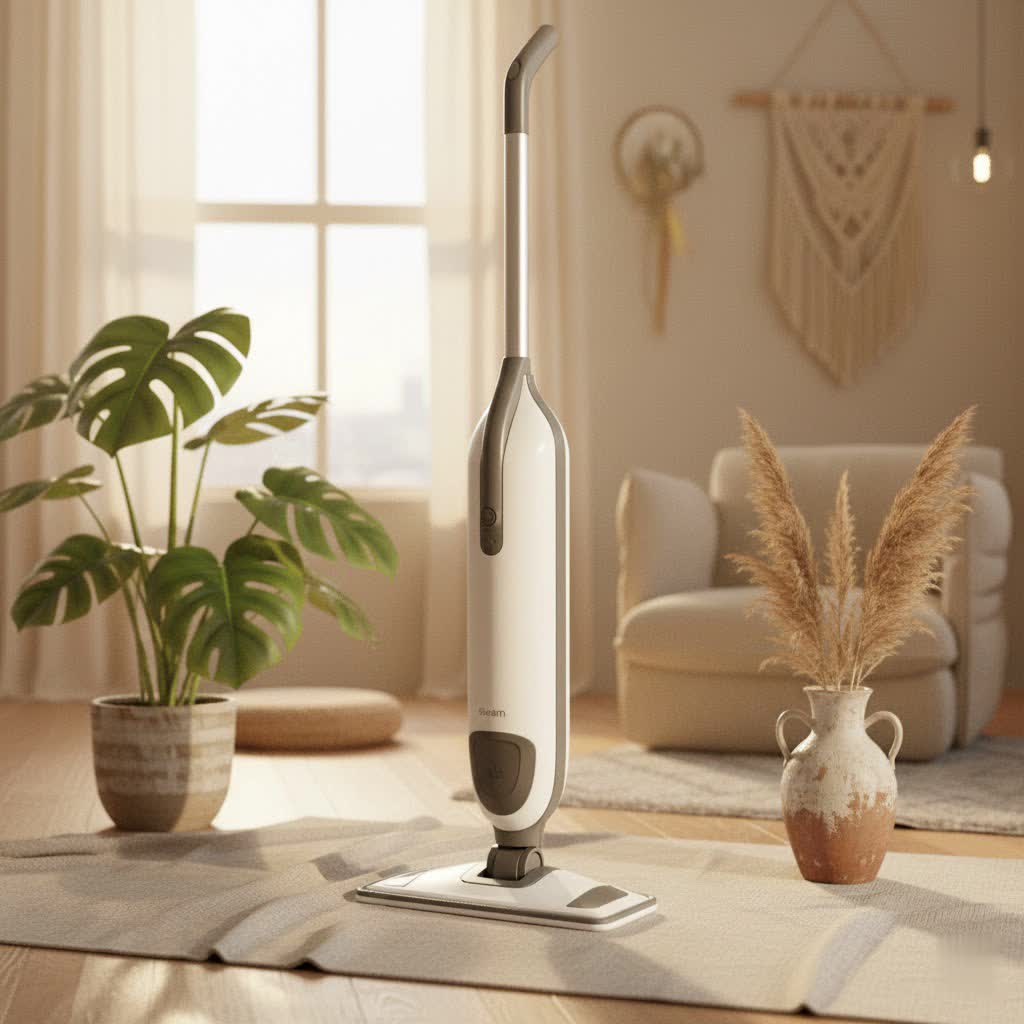
A steam mop is a floor cleaning device that uses heat to convert water into steam, which is then applied to floor surfaces to clean and sanitize them. Unlike traditional mops that use water and cleaning solutions, steam mops rely solely on high-temperature steam to break down dirt, grease, and grime.
The basic principle is straightforward: water from a built-in reservoir is heated rapidly by an internal boiler to create hot steam. This steam is then released through a nozzle or directly onto a microfiber pad attached to the mop head. The intense heat of the steam not only loosens stubborn messes but also effectively kills up to 99.9% of bacteria and germs, providing a deep and hygienic clean. This chemical-free approach makes steam mops an environmentally friendly and pet-safe alternative to conventional cleaning methods.
Benefits of Using a Steam Mop
Embracing a steam mop offers numerous advantages over older cleaning techniques, transforming your routine and the cleanliness of your home.
- Effective Cleaning and Sanitization: The primary benefit is the superior cleaning power. Hot steam penetrates and dissolves tough, dried-on dirt, grease, and sticky messes that traditional mops might struggle with. More importantly, the high temperature sanitizes surfaces, eliminating common household bacteria, viruses, and dust mites without harsh chemicals. This is especially beneficial for homes with children, pets, or allergy sufferers.
- Time and Effort Saving: Steam mops typically heat up quickly, often in under a minute, meaning less waiting and more cleaning. Their ergonomic designs, lightweight builds, and swivel heads make them easy to maneuver around furniture and into tight spaces, significantly reducing the physical effort required for mopping. Floors also tend to dry much faster due to the minimal moisture left behind, allowing you to get back to enjoying your clean space sooner.
- Environmentally Friendly: Since steam mops primarily use only water, they drastically reduce the need for chemical cleaning agents. This minimizes your household’s chemical footprint, making them a greener choice for your home and the planet. Reusable microfiber pads also cut down on waste generated by disposable cleaning wipes.
- Versatility on Multiple Surfaces: Many modern steam mops are not just for floors. With various attachments, they can transform into handheld steamers capable of cleaning countertops, grout, tiles, showers, sealed stone, linoleum, and even refreshing carpets and upholstery. This multi-functional capability makes them a valuable all-in-one cleaning tool.
Popular Types of Steam Mops on the Market
The market offers a range of steam mop designs, each suited for different cleaning needs and preferences. Understanding their distinctions can help you pick the perfect fit.
- Stick Steam Mops: These are the most common type, resembling a traditional upright mop but powered by steam. They are generally lightweight, easy to store, and excellent for everyday floor cleaning across large areas. Their main purpose is usually hard floor sanitization.
- Handheld Steam Mops: Compact and portable, handheld steamers are designed for tackling specific messes and above-floor cleaning tasks. They excel at spot cleaning, sanitizing countertops, removing grime from grout, refreshing fabrics, and cleaning windows. They typically have smaller water tanks and shorter run times.
- 2-in-1 or Multi-Functional Steam Mops: These versatile models combine the features of a stick steam mop with a detachable handheld steamer unit. This design offers the best of both worlds, allowing you to clean floors efficiently and then detach the handheld unit for detailed cleaning tasks around the house. They often come with a variety of attachments for different surfaces.
Each type has its advantages. Stick mops offer simplicity and speed for floors, handheld units provide targeted cleaning power, and 2-in-1 models deliver maximum versatility for a wide range of chores.
Comparing Steam Mops with Traditional Cleaning Methods
The shift from conventional cleaning to steam cleaning marks a significant upgrade in terms of hygiene, efficiency, and environmental impact.
- Vs. Manual Mopping: Traditional mopping often involves pushing dirty water around, potentially spreading germs rather than eliminating them. Chemical solutions can leave residues and require rinsing. Steam mops, on the other hand, sanitize surfaces with high-temperature steam and typically use microfiber pads that capture dirt, offering a deeper and more hygienic clean without chemicals or residues. Floors also dry much faster, minimizing slip hazards.
- Vs. Vacuum Cleaners: Vacuum cleaners are excellent for removing dry debris, dust, and pet hair from various surfaces, including carpets and hard floors. However, they do not sanitize or effectively remove sticky, dried-on messes. Steam mops fill this gap by tackling grime and sanitizing hard surfaces, making them a complementary tool to a vacuum for a complete floor care routine.
- Vs. Chemical Cleaners: While chemical cleaners can be effective at killing germs, they often contain harsh ingredients that can irritate skin, respiratory systems, and pose risks to pets and children. They also leave behind chemical residues and contribute to indoor air pollution. Steam mops offer a chemical-free sanitization method, relying purely on heat to achieve a similar level of hygiene without any of the associated risks or environmental concerns.
Comparison Table: Best Rated Steam Mops
Choosing the best steam mop can be challenging with so many options available. Here’s a comparison of some of the best-rated models, highlighting their key features, advantages, and potential drawbacks.
| Product | Brand | Price (Approx.) | Pros | Cons | Rating (1-5 Stars) |
|---|---|---|---|---|---|
| Powerfresh Slim Steam Mop | Bissell | $165 | Heats fast (~20s), 3-in-1 versatility (mop, rod, handheld), includes 7 attachments & wall mount, easy top-fill tank. | Trigger-controlled steam might not suit all, can be a lot of parts. | 5 |
| 10-in-1 Steam Mop | PurSteam | $90-$100 | Super lightweight (4.4 lbs), versatile with 10 attachments & detachable handheld, easy steam dial control. | No wall mount, can drip, carpet steamer not very effective, tank runs through fast on high setting. | 4.6 |
| Steamer | Black+Decker | $150 | Excellent wall mount for organization, comes with 7 attachments & 3 mop heads, weighty for added pressure. | Bulky & heavy (12.1 lbs), curved mop pad less effective in cracks, uneven pad pressure, bottom-fill tank. | 3.9 |
| Steam Mop | Dirt Devil | $75 | Simple one-and-done design, easy to use with 3 steam settings, detachable and large water tank, comes with cleaning solution. | No attachments, less versatile, best for obstacle-free spaces, slower startup (~30s). | 3.5 |
| Professional Steam Pocket Mop | Shark | $120 | Heavy-duty cleaning, washable pads, 3 steam settings, quick heat-up (~30s), long 22.4 ft cord. | No wall mount, doesn’t stand on its own, pads stain easily, hard-to-reach tank needs funnel. | 4 |
How to Choose the Right Steam Mop for Your Home (Buying Guide)
Selecting the ideal steam mop involves considering your specific cleaning needs and home characteristics.
- Floor Type:
- Sealed Hardwood, Ceramic Tile, Linoleum: Most steam mops are safe and effective on these surfaces.
- Unsealed Hardwood, Laminate, Vinyl: Avoid using steam mops on these delicate floors, as the heat and moisture can cause damage like warping or swelling.
- Area to Clean: For large homes with extensive hard flooring, look for models with larger water tanks for longer run times and longer cords for greater reach. For smaller apartments or quick clean-ups, compact and lightweight models might be more convenient.
- Budget: Steam mops range widely in price. Determine your budget beforehand, but remember that investing a bit more can often mean better durability, more features, and greater versatility.
- Additional Features:
- Adjustable Steam Settings: Allows you to tailor steam output for different floor types and levels of grime.
- Attachments: If you need to clean more than just floors (e.g., grout, upholstery, windows), a 2-in-1 model with a variety of attachments is essential.
- Heat-up Time: Faster heat-up times mean you can start cleaning almost immediately.
- Water Tank Capacity & Refill Ease: Larger tanks reduce refills, while easily accessible, removable tanks simplify the process.
- Maneuverability & Weight: Lighter models with swivel heads are easier to push and navigate around furniture.
- Cord Length & Storage: A longer cord offers more reach, while features like a wall mount or compact design aid storage.
Expert Advice for Making Your Choice:
- Choose Reputable Brands: Brands like Bissell, Shark, and PurSteam are well-established and known for reliability and customer support.
- Read User Reviews: Real-world experiences from other users can provide valuable insights into a mop’s performance, durability, and common issues.
- Check Warranty Policy: A good warranty offers peace of mind and protection for your investment.
Guide to Using and Maintaining Your Steam Mop Correctly
Proper usage and regular maintenance are crucial for maximizing your steam mop’s performance and lifespan.
How to Use Your Steam Mop
|
Our Picks for the Best Steam Mop in 2026
As an Amazon Associate I earn from qualifying purchases.
|
||
| Num | Product | Action |
|---|---|---|
| 1 | Pressurized Handheld Steam Cleaner for Home Deep Cleaning, Multi-Purpose Portable Steamer for Cleaning with 11 PCS Accessories for Dirt, Grease, Window, Car, Furniture, Bathroom, Couch, Tile and Grout |

|
| 2 | 11-in-1 Steam Mop - Detachable Handheld Steam Cleaner with 380mL Tank, 260℉ Floor Steamer for Hardwood, Tile, Grout, Windows, Bath & Kitchen - 3-Level Steam Control, Multi-Purpose Floor Steam Cleaner |
|
| 3 | KLONA Portable Steam Cleaner, Hand Held steamers for cleaning house, Home Multi Purpose - 10-Piece Accessory Kit for Sofa, Upholstery, Carpets |
|
| 4 | Steam Mop, Steam Cleaner with 400ML Water Tank, 2 Washable Pads, 23FT Power Cable floor steamer, Detachable Steam Mops for sealed Hard Floors, Marble, Stone, Hardwood (Purple) |
|
| 5 | Shark Steam Mop with 2 Machine Washable Dirt Grip Pads, Removable Water Tank, Lightweight, Steam Cleaner for sealed Hard Floors, Marble, Stone, Hardwood, Tile, Laminate, White/Seafoam, S1000 |
|
| 6 | Bissell Power Fresh Steam Mop with Natural Sanitization, Floor Steamer, Tile Cleaner, and Hard Wood Floor Cleaner with Flip-Down Easy Scrubber, 1940A |
|
| 7 | Shark Steam & Scrub Steam Mop, All-in-One Scrubbing and Sanitizing Hard Floor Cleaner, LED Headlights, 4 Dirt Grip Soft Scrub Pads Included, XL Water Tank, Swivel Steering, Hawaiian Grey, S8001 |
|
| 8 | Shark SteamSpot Steam Mop with Steam Blaster Technology, 3 Steam Modes, 2 Washable Pads, XL Removable Water Tank, Lightweight, Steam Cleaner for sealed Hard Floors, Hardwood, Tile, Laminate, S2001 |
|
| 9 | Steam Mop - 11-in-1 Steam Cleaner for Home with 15.2 OZ Water Tank & 23FT Power Cord, Detachable Steam Mops for Floor Cleaning MultiPurpose Steamer for Hardwood, Tile, Furniture with 11 Accessories |
|
| 10 | Shark Steam Pocket Mop with 2 Washable Double-sided Pads, Steam Sanitization, Swivel Steering, Lightweight, Steam Cleaner for Sealed Hard Floors, Hardwood, Marble, Tile, Purple, S3501 |
|
- Preparation: Always vacuum or sweep your floors first to remove loose dirt and debris. This prevents it from being pushed around and ensures the steam can directly tackle grime.
- Fill the Water Tank: Use distilled or demineralized water to prevent mineral buildup (limescale) in the tank, especially in hard water areas. Fill the tank according to the manufacturer’s instructions.
- Attach the Pad: Securely attach a clean microfiber cleaning pad to the mop head.
- Heat Up: Plug in the steam mop and wait for it to heat up. Most models have an indicator light that signals when the steam is ready. This can take anywhere from 20 seconds to a minute.
- Start Cleaning: Move the mop slowly and steadily across your floor. Overlap your passes slightly to ensure even cleaning. For stubborn spots, hold the mop over the area for a few extra seconds to allow the steam to penetrate and loosen the mess.
- Avoid Over-Steaming: Do not leave the steam mop stationary on any one spot for too long, especially on sensitive flooring, as this can cause excessive moisture buildup or damage.
How to Clean and Maintain Your Steam Mop
- Empty Water Tank: After each use, always empty any remaining water from the reservoir to prevent stagnant water and mineral buildup.
- Clean Mop Pads: Remove the microfiber pads and wash them according to the manufacturer’s instructions, typically in a washing machine with mild detergent. Avoid fabric softeners, as they can reduce the pads’ absorbency.
- Descaling (if applicable): If you live in an area with hard water, regular descaling might be necessary. Some models have a descaling feature or recommend a specific cleaning solution. Consult your manual for instructions.
- Wipe Down Exterior: Use a damp cloth to wipe down the exterior of the mop to remove any dirt or residue.
- Store Properly: Store your steam mop upright in a dry place. If it comes with a wall mount, utilize it to keep your cleaning area organized.
Safety Precautions
- Read the Manual: Always read your steam mop’s user manual before first use to understand its specific features, warnings, and safety guidelines.
- Use on Appropriate Surfaces: Only use the steam mop on sealed hard floors that are compatible with steam cleaning. Avoid unsealed wood, laminate, or vinyl.
- Beware of Hot Steam: Steam is extremely hot and can cause burns. Keep hands, feet, and pets away from the steam vents and mop head during operation.
- Unplug When Not in Use: Always unplug the steam mop before filling/emptying the tank, changing pads, or performing any maintenance.
- No Chemicals in Tank: Unless explicitly stated by the manufacturer, never add cleaning solutions, essential oils, or other chemicals to the water tank, as this can damage the machine or release harmful fumes.
Common Steam Mop Issues and How to Troubleshoot Them
Even the best-rated steam mops can encounter occasional issues. Here are some common problems and their simple solutions.
- Steam Mop Not Producing Steam:
- Check Water Level: Ensure the water tank is full.
- Clogged Nozzle/Filter: Mineral buildup can block steam output. Try descaling the machine or cleaning any removable filters as per the manual.
- Not Heated Up: Wait for the designated heat-up time. The indicator light should signal when it’s ready.
- Power Issue: Ensure the mop is properly plugged in and the outlet is working.
- Steam Mop Leaking Water:
- Overfilled Tank: Do not overfill the water reservoir.
- Loose Pad: Ensure the microfiber pad is securely attached. A loose pad can allow water to drip.
- Damaged Seal/Gasket: If the leak persists, there might be a damaged seal. Contact customer support or a service center.
- Steam Mop Not Cleaning Effectively:
- Dirty Pad: Change to a fresh, clean microfiber pad. A saturated or dirty pad won’t pick up new grime.
- Moving Too Fast: Slow down your passes to give the steam enough time to work on the dirt.
- Insufficient Steam: Check if the steam setting is appropriate for the mess. If applicable, increase the steam output.
- Excessive Mineral Buildup: Limescale can reduce heating efficiency. Descale your machine regularly.
For persistent issues or complex repairs, it’s always best to refer to your steam mop’s user manual or contact the manufacturer’s customer service or a certified repair center. Attempting to fix internal components without expertise can void warranties and be unsafe.
“A common mistake people make is rushing through their cleaning. With a steam mop, slow and steady wins the race. Give the steam a chance to really penetrate and lift that grime.” – Jennifer Rodriguez, Chief Hygiene Officer, Pro Housekeepers
Conclusion
A steam mop is more than just a cleaning tool; it’s an investment in a healthier, cleaner home. By harnessing the powerful, chemical-free sanitizing capabilities of steam, these devices offer a superior clean that traditional methods often can’t match. Whether you prioritize deep sanitization, eco-friendly cleaning, or simply want to reclaim your time from arduous chores, there’s a best-rated steam mop out there designed to meet your needs. Consider your floor types, cleaning area, and desired features, and you’ll be well on your way to enjoying spotless, hygienic floors with minimal effort.
What aspect of steam cleaning are you most excited to integrate into your home routine?
Frequently Asked Questions
Are steam mops truly effective at killing germs?
Yes, steam mops are highly effective at killing up to 99.9% of common household bacteria and germs. The high temperature of the steam is sufficient to sanitize surfaces without the need for chemical disinfectants, providing a hygienic clean.
Can I use a steam mop on all types of floors?
Steam mops are generally safe for sealed hard floors such as ceramic tile, linoleum, and sealed hardwood. However, they should not be used on unsealed hardwood, laminate, or vinyl flooring, as the moisture and heat can cause irreversible damage like warping or swelling.
Do I need to use cleaning solutions with a steam mop?
Most steam mops are designed to work solely with water, making them a chemical-free cleaning option. Adding unauthorized cleaning solutions to the water tank can damage the machine and void the warranty. For very stubborn messes, some users may pre-treat with a mild, floor-safe cleaner, but the mop itself typically uses only water.
How often should I clean my steam mop’s pads?
For optimal performance and hygiene, you should wash your microfiber mop pads after every use, especially if you’re cleaning large or heavily soiled areas. Regularly washing the pads prevents the redeposition of dirt and ensures effective cleaning.
What kind of water should I use in my steam mop?
It is highly recommended to use distilled or demineralized water in your steam mop. This prevents the buildup of mineral deposits (limescale) inside the machine, which can clog nozzles, reduce steam output, and shorten the lifespan of your appliance.
