Cleaning hardwood floors can be a delicate task. You want them spotless and sanitized, but also perfectly preserved. For years, the debate has raged: are steam mops safe for hardwood floors, or do they pose a risk? Modern steam mop technology has evolved, offering specialized solutions that make them a viable, often superior, option for keeping your beautiful wooden floors gleaming without damage. This guide will walk you through everything you need to know about using a steam mop on hardwood, helping you choose the perfect model and maintain your floors flawlessly.
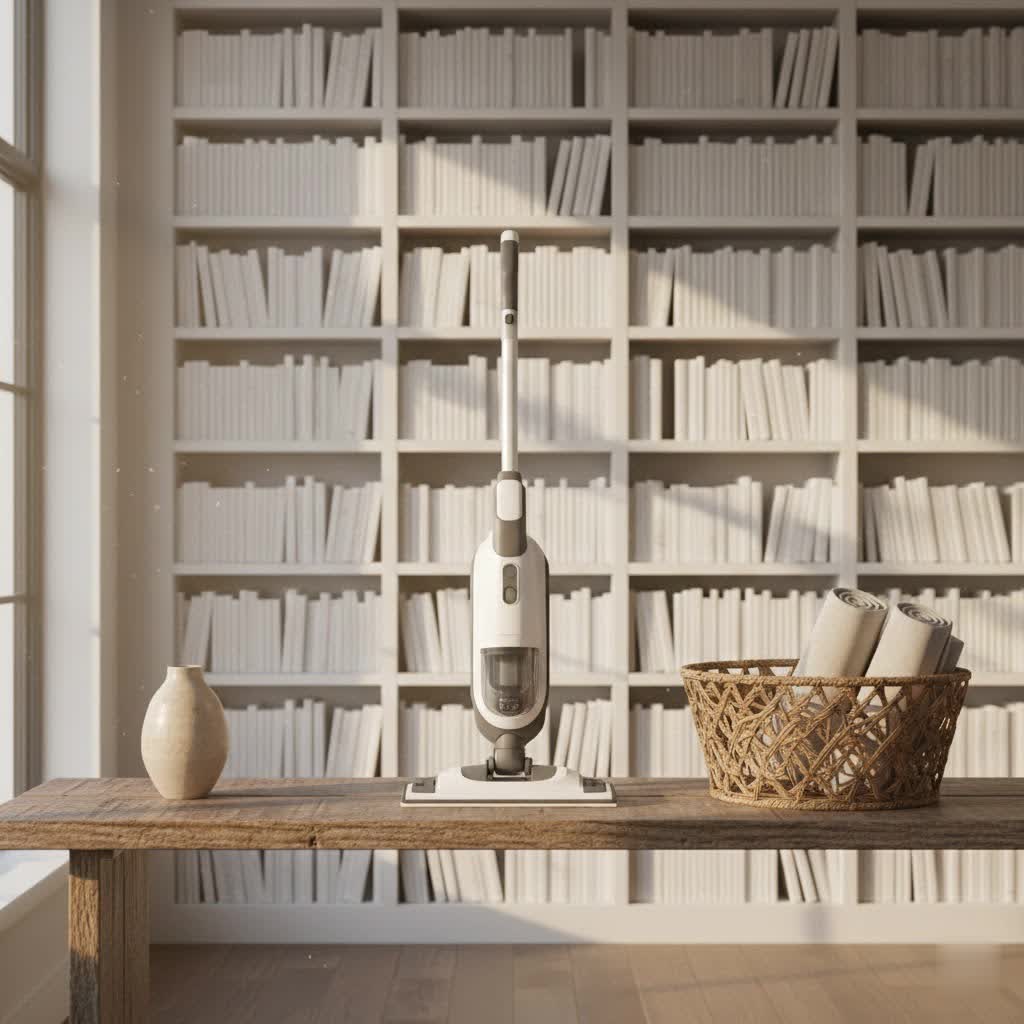
What is a Steam Mop and How Does It Work for Hardwood?
A steam mop is an innovative cleaning device that uses heated water to produce steam, which then cleans and sanitizes surfaces without the need for harsh chemicals. For hardwood floors, the principle remains the same, but with crucial adaptations. Typically, water is heated in a reservoir to a high temperature, creating steam that is then released through a microfiber pad attached to the mop head. This hot steam loosens dirt, grime, and even kills bacteria and dust mites on contact.
The key difference for hardwood floors lies in how the steam is delivered and controlled. Modern steam mops designed for wood floors often feature variable steam settings, allowing users to select a low, controlled amount of moisture. This minimizes the risk of over-saturating the wood, which is the primary concern with traditional steaming methods. The microfiber pads efficiently capture the loosened dirt and moisture, leaving the floor nearly dry within moments. While the general concept of steam cleaning has existed for decades, the specific application and safety for delicate surfaces like sealed hardwood have significantly advanced in recent years, making these appliances much more suitable and effective.
Benefits of Using a Steam Mop on Hardwood Floors
Using a steam mop specifically designed for hardwood floors offers a multitude of advantages that go beyond conventional cleaning methods.
- Effective Cleaning and Sanitization without Chemicals: Steam mops harness the power of high-temperature steam to dissolve dirt, grease, and grime, achieving a deep clean without relying on chemical detergents. This not only leaves your hardwood floors sparkling but also eliminates up to 99.9% of bacteria and germs, providing a healthier environment for your family and pets.
- Time and Effort Saving: Compared to traditional mop-and-bucket cleaning, which often involves scrubbing and rinsing, a steam mop dramatically reduces cleaning time and physical effort. The heat of the steam effortlessly lifts stubborn messes, meaning less elbow grease for you. Many models heat up in under 30 seconds, allowing for quick clean-ups whenever needed.
- Environmentally Friendly: By using only water to clean, steam mops are an eco-conscious choice. They eliminate the need for disposable cleaning wipes and reduce the amount of chemical pollutants introduced into your home and the environment. This makes them ideal for households aiming for a greener lifestyle.
- Versatility on Multiple Sealed Hardwood Surfaces: While focused on hardwood, many modern steam mops offer interchangeable pads or attachments that allow them to be safely used on various sealed hard floor surfaces, including laminate, tile, vinyl, and stone. This versatility makes them a valuable multi-purpose cleaning tool for your home.
- Streak-Free Shine: When used correctly on sealed hardwood, steam mops can leave your floors with a noticeable streak-free shine. The high heat of the steam evaporates quickly, preventing water spots and residue that traditional mopping can often leave behind.
Types of Steam Mops Suitable for Hardwood Floors
When considering a steam mop for your hardwood floors, you’ll encounter a few primary types, each with specific features and benefits. Understanding these can help you choose the best fit for your home.
- Stick Steam Mops: These are the most common type and resemble a traditional upright mop. They are lightweight, easy to maneuver, and ideal for everyday cleaning of larger areas. Many stick steam mops designed for hardwood come with variable steam settings to control moisture output. Their slim profile makes them easy to store.
- Pros: Lightweight, easy to use, quick heat-up, good for large areas.
- Cons: Less versatile for above-floor cleaning, limited attachments.
- Handheld Steam Mops: Compact and portable, handheld steam mops are excellent for targeted cleaning tasks, such as sanitizing small spills, grout lines, or reaching tight corners. While not primary floor cleaners, some can be used with a floor attachment for very small hardwood sections or spot cleaning.
- Pros: Highly versatile for various surfaces, powerful concentrated steam, portable.
- Cons: Not practical for cleaning entire floors, smaller water tanks.
- 2-in-1 or Multi-Purpose Steam Mops: These combine the functionality of a stick steam mop with a detachable handheld unit. This offers the best of both worlds, allowing you to clean your hardwood floors efficiently and then detach the handheld steamer for countertops, upholstery, or bathroom fixtures. Many models in this category are specifically designed with hardwood floor settings.
- Pros: Extremely versatile, excellent value, suitable for comprehensive home cleaning.
- Cons: Can be slightly heavier or bulkier than pure stick mops.
Comparing these types, the 2-in-1 or multi-purpose steam mops often represent the best option for hardwood floor owners looking for comprehensive cleaning, as they typically offer the most control over steam output and come with specialized attachments. Stick steam mops are also an excellent choice for straightforward floor cleaning, provided they have adjustable steam settings.
Steam Mop vs. Traditional Hardwood Cleaning Methods
When it comes to cleaning hardwood floors, a steam mop offers distinct advantages over conventional approaches, but it’s important to understand the differences.
- Vs. Traditional Mopping (Bucket and Mop): Traditional mopping often involves excessive water and cleaning solutions, which can leave residue and potentially damage hardwood over time if the wood becomes saturated. The drying time is also significantly longer. Steam mops, however, use minimal moisture that dries almost instantly, and they sanitize without chemicals. While traditional mopping can remove surface dirt, it rarely achieves the deep sanitization a steam mop provides.
- Vs. Vacuum Cleaners: Vacuum cleaners are excellent for removing loose dirt, dust, and debris from hardwood floors. However, they do not clean or sanitize the surface itself. A steam mop complements a vacuum cleaner perfectly; you vacuum first to remove solids, then steam mop to clean and sanitize. A vacuum alone cannot tackle sticky messes or kill germs.
- Vs. Chemical Cleaners: Many chemical hardwood floor cleaners can leave streaks, residue, or contain harsh ingredients that may be harmful to pets, children, or even the floor’s finish over time. A steam mop uses only water, eliminating these concerns while providing a superior clean and sanitization that chemicals often cannot match without strong, potentially irritating formulas.
“A modern steam mop, when used correctly on sealed hardwood, offers a superior level of cleanliness and sanitization compared to traditional methods. The key is understanding its specific application and choosing a model designed for delicate surfaces.” – Emily R. Davis, Certified Home Cleaning Specialist
Best Steam Mops for Hardwood Floors
Choosing the right steam mop is crucial for effectively cleaning and protecting your hardwood floors. Here’s a comparison of some top models known for their performance on wood surfaces.
| Product Name | Brand | Price Range | Pros | Cons | Rating (1-5 Stars) |
|---|---|---|---|---|---|
| Shark Genius Steam Mop S5003D | Shark | $$$ | Advanced steam blasting, double-sided pads, multiple steam settings, fast heat-up. | Corded operation. | ⭐⭐⭐⭐⭐ |
| Bissell PowerFresh Steam Mop | Bissell | $$ | Scent discs for fresh smell, variable steam control, flip-down scrubber, easy-fill water tank. | Smaller water tank capacity than some competitors. | ⭐⭐⭐⭐ |
| Dupray Neat Steam Cleaner | Dupray | $$$$ | Large water tank, heavy-duty cleaning for various surfaces, very hot steam for deep sanitization. | Higher price point, not a traditional “mop” design (can be bulkier). | ⭐⭐⭐⭐⭐ |
| Light ‘n’ Easy Steam Mop | Light ‘n’ Easy | $$ | Lightweight, adjustable steam, fast heating, auto-off feature, durable construction. | Smaller pads may require more passes for large areas. | ⭐⭐⭐⭐ |
| PurSteam World’s Best Steam Mop | PurSteam | $$ | 10-in-1 multi-purpose cleaner (detachable handheld), adjustable steam, triangular mop head for corners. | Cord length could be longer for very large spaces. | ⭐⭐⭐⭐ |
Note: Price ranges are indicative ($ = under $100, $$ = $100-$150, $$$ = $150-$250, $$$$ = over $250) and can vary based on retailer and promotions.
Buying Guide: How to Choose a Suitable Steam Mop for Hardwood
Selecting the perfect steam mop for your hardwood floors requires careful consideration of several factors. A good choice ensures effective cleaning without risking damage to your valuable flooring.
Factors to Consider:
- Type of Hardwood Floor: Ensure your hardwood floors are sealed. Steam mops are generally safe only for sealed hardwood. If your floors are unsealed, waxed, or have gaps where moisture could seep in, a steam mop is not recommended. Always check your floor manufacturer’s guidelines.
- Area to be Cleaned: For smaller homes or apartments, a lightweight stick steam mop with a moderate water tank might suffice. If you have extensive hardwood flooring, consider models with larger water tanks for fewer refills and wider mop heads for quicker coverage. A longer power cord can also be beneficial for larger areas.
- Budget: Steam mops range widely in price. Determine how much you’re willing to spend. While more expensive models often offer additional features like higher steam temperatures, larger tanks, or more attachments, many mid-range options provide excellent performance for hardwood floors.
- Essential Features for Hardwood:
- Variable Steam Control: This is perhaps the most critical feature. The ability to adjust steam output (low, medium, high) is essential for using the mop safely on hardwood, allowing you to use the lowest effective setting.
- Fast Heat-up Time: For quick clean-ups, a mop that heats up in under 30 seconds is a major plus.
- Microfiber Pads: Look for high-quality, washable microfiber pads that are gentle on floors yet effective at trapping dirt and absorbing moisture.
- Maneuverability: A swivel steering head and a lightweight design make it easier to navigate around furniture and reach tight spaces without straining.
- Water Tank Capacity: A larger tank means fewer refills, which is convenient for cleaning larger areas.
- Overheat Protection and Auto-Shutoff: These safety features are important, especially if you have pets or children.
|
Our Picks for the Best Steam Mop in 2026
As an Amazon Associate I earn from qualifying purchases.
|
||
| Num | Product | Action |
|---|---|---|
| 1 | Pressurized Handheld Steam Cleaner for Home Deep Cleaning, Multi-Purpose Portable Steamer for Cleaning with 11 PCS Accessories for Dirt, Grease, Window, Car, Furniture, Bathroom, Couch, Tile and Grout |

|
| 2 | Shark Steam Mop with 2 Machine Washable Dirt Grip Pads, Removable Water Tank, Lightweight, Steam Cleaner for sealed Hard Floors, Marble, Stone, Hardwood, Tile, Laminate, White/Seafoam, S1000 |
|
| 3 | Shark Steam & Scrub Steam Mop, All-in-One Scrubbing and Sanitizing Hard Floor Cleaner, LED Headlights, 4 Dirt Grip Soft Scrub Pads Included, XL Water Tank, Swivel Steering, Hawaiian Grey, S8001 |
|
| 4 | Bissell Power Fresh Steam Mop with Natural Sanitization, Floor Steamer, Tile Cleaner, and Hard Wood Floor Cleaner with Flip-Down Easy Scrubber, 1940A |
|
| 5 | Steam Mop, Steam Cleaner with 400ML Water Tank, 2 Washable Pads, 23FT Power Cable floor steamer, Detachable Steam Mops for sealed Hard Floors, Marble, Stone, Hardwood (Purple) |
|
| 6 | Shark SteamSpot Steam Mop with Steam Blaster Technology, 3 Steam Modes, 2 Washable Pads, XL Removable Water Tank, Lightweight, Steam Cleaner for sealed Hard Floors, Hardwood, Tile, Laminate, S2001 |
|
| 7 | Shark Steam Pocket Mop with 2 Washable Double-sided Pads, Steam Sanitization, Swivel Steering, Lightweight, Steam Cleaner for Sealed Hard Floors, Hardwood, Marble, Tile, Purple, S3501 |
|
| 8 | KLONA Portable Steam Cleaner, Hand Held steamers for cleaning house, Home Multi Purpose - 10-Piece Accessory Kit for Sofa, Upholstery, Carpets |
|
| 9 | Steam Mop - 11-in-1 Steam Cleaner for Home with 15.2 OZ Water Tank & 23FT Power Cord, Detachable Steam Mops for Floor Cleaning MultiPurpose Steamer for Hardwood, Tile, Furniture with 11 Accessories |
|
| 10 | 11-in-1 Steam Mop - Detachable Handheld Steam Cleaner with 380mL Tank, 260℉ Floor Steamer for Hardwood, Tile, Grout, Windows, Bath & Kitchen - 3-Level Steam Control, Multi-Purpose Floor Steam Cleaner |
|
Expert Advice for Selection:
- Prioritize adjustable steam settings: Without this, you risk over-saturating your hardwood floors.
- Read User Reviews: Pay close attention to reviews specifically mentioning performance on hardwood floors. Look for comments about streaking, drying time, and ease of use.
- Check Warranty and Customer Support: A good warranty provides peace of mind. Reliable customer support can be invaluable if you encounter any issues.
- Consider a 2-in-1 model: If you want versatility beyond just floors, a model that converts to a handheld steamer offers great value.
How to Use and Maintain Your Hardwood Steam Mop Correctly
Using your steam mop correctly is crucial for achieving sparkling clean hardwood floors and extending the life of both your floors and your appliance. Proper maintenance ensures consistent performance.
Step-by-Step Usage:
- Prepare Your Floor: Before steaming, always vacuum or sweep your hardwood floors thoroughly to remove loose dirt, dust, and debris. Steaming over these can create muddy streaks and reduce effectiveness.
- Fill the Water Tank: Use distilled water if recommended by the manufacturer, especially if you live in an area with hard water. This prevents mineral buildup, which can clog the steam jets and leave white residue on your floors.
- Attach a Clean Microfiber Pad: Ensure the pad is securely attached to the mop head. Always start with a fresh, clean pad to prevent spreading dirt.
- Power On and Select Steam Setting: Plug in the mop and allow it to heat up fully (this usually takes 15-30 seconds). Select the lowest steam setting appropriate for your sealed hardwood floors.
- Start Cleaning: Move the steam mop steadily and continuously across your hardwood floor. Do not leave the mop stationary on one spot, as this can concentrate heat and moisture, potentially damaging the wood. Work in small sections, overlapping your passes slightly.
- Allow to Dry: Hardwood floors cleaned with a steam mop should dry almost immediately. Avoid walking on the floor until it’s completely dry to prevent footprints.
Maintenance Tips:
- Clean or Replace Pads Regularly: After each use, remove and wash the microfiber pads. Most are machine washable. Have several pads on hand so you always have a clean one ready. Replace pads when they become worn or lose their absorbency.
- Empty and Clean the Water Tank: After each use, empty any remaining water from the tank. If using tap water, periodically descale the tank and internal components according to the manufacturer’s instructions to prevent mineral buildup.
- Store Properly: Store your steam mop upright in a dry place. Ensure the cord is neatly wrapped to prevent damage.
- Inspect for Wear: Periodically check the mop head, cord, and water tank for any signs of wear or damage. Address any issues promptly.
Safety Precautions:
- Never Use on Unsealed Hardwood: This is critical. Only use a steam mop on sealed hardwood floors.
- Keep Moving: As mentioned, never leave the steam mop stationary on any part of your hardwood floor.
- Use Distilled Water: This is a strong recommendation for longevity and preventing residue.
- Supervise Children and Pets: Keep children and pets away from the hot steam and operating appliance.
- Unplug When Not in Use: Always unplug the steam mop when filling the tank, changing pads, or when it’s not in active use.
Common Steam Mop Problems and Troubleshooting for Hardwood Floors
Even the best steam mops can encounter issues. Here are some common problems you might face when cleaning hardwood floors and how to troubleshoot them.
- Steam Mop Not Producing Steam:
- Check Water Level: The most common reason is an empty water tank. Refill it.
- Clogged Nozzle/Filter: Mineral buildup from hard water can clog the internal components. Refer to your manual for descaling instructions, usually involving a vinegar solution. Always use distilled water to prevent this.
- Not Heated Up: Ensure the mop has reached its operating temperature. Wait until the indicator light (if any) signals it’s ready.
- Power Issue: Check if the mop is properly plugged in and the outlet is working.
- Steam Mop Leaking Water:
- Overfilled Tank: Do not overfill the water tank beyond the maximum line.
- Loose Connections: Ensure the water tank lid and any removable components are securely fastened.
- Cracked Tank/Hose: Inspect the water tank and hoses for any cracks or damage. If found, contact customer service for replacement parts or service.
- Worn Seal: Gaskets and seals can wear out over time.
- Steam Mop Not Cleaning Effectively on Hardwood:
- Dirty Pad: Ensure you are using a clean microfiber pad. A dirty pad will just spread grime.
- Insufficient Steam: Increase the steam setting (if your model has variable control) for tougher spots, but always use the lowest effective setting for hardwood.
- Floor Not Pre-Vacuumed: You must vacuum or sweep before steaming. Steam mops are for cleaning surfaces, not picking up loose debris.
- Hard Water Residue: If you’re using tap water and seeing a white film, switch to distilled water. You may need to clean existing residue with a damp cloth.
- Streaks on Hardwood Floors:
- Dirty Pad: A dirty pad is the primary culprit. Change it.
- Too Much Steam: Reduce the steam setting. Too much moisture can leave streaks, especially if it doesn’t evaporate quickly enough.
- Excessive Cleaning Solution (if used): If you’ve previously used chemical cleaners that left residue, the steam mop might be reactivating it. A few passes with pure steam and clean pads might resolve this over time.
- Not Moving Fast Enough: Keep the mop in continuous motion to prevent water pooling.
- Floor Condition: If your floor’s sealant is worn or damaged, it might react differently to steam.
For persistent issues, always consult your steam mop’s user manual. If self-troubleshooting doesn’t work, contact the manufacturer’s customer service for professional assistance or warranty claims.
Conclusion
Choosing and using a steam mop for your hardwood floors can revolutionize your cleaning routine, offering a powerful, chemical-free way to sanitize and shine your valuable surfaces. By understanding the types available, considering key features like variable steam control, and adhering to proper usage and maintenance guidelines, you can safely enjoy the benefits of a deeply cleaned home. Remember to always prioritize models designed for delicate surfaces and ensure your hardwood is sealed before steaming. With the right steam mop, you can confidently maintain the beauty and longevity of your hardwood, making them sparkle for years to come. What’s your top priority when selecting a new cleaning appliance for your home?
Frequently Asked Questions
Is it safe to use a steam mop on all types of hardwood floors?
No, steam mops are only safe for sealed hardwood floors. Using them on unsealed, waxed, or damaged hardwood can introduce excessive moisture, leading to warping, swelling, or finish damage. Always verify your floor type and manufacturer’s recommendations.
Do steam mops leave streaks on hardwood floors?
If used correctly, a quality steam mop designed for hardwood floors should not leave streaks. Streaking usually occurs due to a dirty mop pad, excessive steam, or not allowing the floor to dry quickly. Using distilled water and moving the mop continuously helps prevent this.
How often should I steam clean my hardwood floors?
For sealed hardwood floors, you can typically steam clean them once or twice a week, or as needed for spills and dirt buildup. Frequent light steaming with adjustable low steam settings is generally safer than less frequent, heavy steaming.
Can a steam mop damage the finish of my hardwood floors?
Modern steam mops with variable steam control, when used on sealed hardwood at the lowest effective setting and kept in constant motion, are designed to minimize risk to the floor’s finish. However, excessive heat or moisture concentration from prolonged contact can potentially dull or damage the finish over time.
What kind of water should I use in my steam mop for hardwood floors?
It is highly recommended to use distilled water in your steam mop. This prevents mineral buildup from tap water, which can clog the machine and leave white residue or streaks on your hardwood floors, extending the life of your appliance and maintaining floor clarity.
