Are you tired of the endless scrubbing, the buckets of dirty water, and the lingering chemical smells that come with traditional floor cleaning? Imagine a world where your floors are not just visibly clean, but deeply sanitized, without a single drop of harsh chemicals. Welcome to the world of steam mops – a game-changer in home hygiene. With over a decade of experience testing hundreds of models, from renowned brands to innovative newcomers, I’m here to share expert insights and practical advice to help you discover the perfect steam mop for your home. Let’s explore how these powerful appliances can transform your cleaning routine.
What is a Steam Mop and How Does it Work?
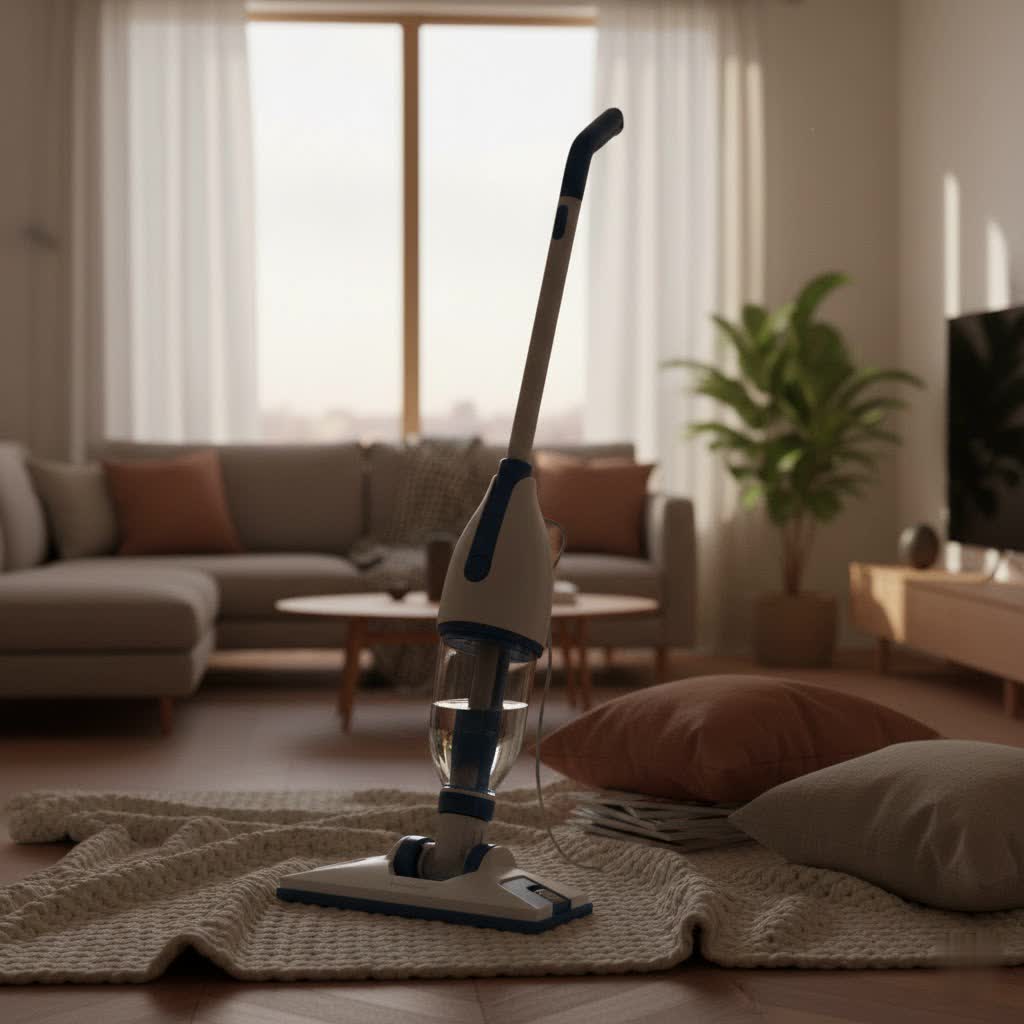
At its core, a steam mop is an innovative cleaning appliance that harnesses the power of superheated steam to effectively cleanse and sanitize floors. Unlike traditional mops that rely on water and often harsh chemical detergents, a steam mop uses pure water, transformed into high-temperature steam.
The operational principle is surprisingly simple yet highly effective. A built-in water reservoir holds tap or distilled water, which is then heated to extreme temperatures, typically between 200°F to 250°F (90°C to 120°C). This superheated water converts into steam, which is then released through jets onto a microfiber cleaning pad attached to the mop head. As you glide the mop across your floor, the hot steam penetrates the surface, loosening dirt, grime, and sticky residues. The microfiber pad then traps and absorbs these impurities. The intense heat of the steam not only cleans but also sanitizes, eliminating a significant percentage of bacteria, germs, and dust mites without the need for any chemical cleaning agents.
Benefits of Using a Steam Mop
Embracing a steam mop for your cleaning regimen offers a multitude of advantages that go beyond superficial cleanliness.
Firstly, steam mops deliver effective cleaning and superior sanitization. The high-temperature steam effectively breaks down tough dirt, grease, and sticky messes that traditional mops might struggle with. More importantly, the heat is powerful enough to kill up to 99.9% of bacteria and germs on your floors, creating a healthier environment for your family and pets.
Secondly, they are remarkable time and effort savers. Forget the back-breaking scrubbing and the constant wringing of mop heads. A steam mop glides effortlessly, and the steam does most of the heavy lifting. Floors also dry significantly faster compared to traditional mopping, reducing the risk of slips and allowing you to get back to your daily routine quicker.
Thirdly, steam mops are incredibly eco-friendly and budget-conscious. By using only water, they eliminate the need for expensive and potentially harmful chemical cleaners. This not only saves you money but also reduces your household’s chemical footprint, making them a safer choice for homes with children, pets, or allergy sufferers. There’s no chemical residue left behind, ensuring a truly clean surface.
Finally, many modern steam mops boast impressive versatility. With various attachments and adjustable steam settings, they can clean a wide array of surfaces beyond just floors. Some models can be converted into handheld steamers, perfect for sanitizing countertops, grout lines, bathroom fixtures, windows, and even refreshing upholstery. This multi-functionality makes a steam mop a valuable, all-in-one cleaning tool.
Popular Types of Steam Mops on the Market
The steam mop market offers a diverse range of models, each designed to cater to different cleaning needs and preferences. Understanding the popular types can help you identify which one best suits your lifestyle.
1. Stick Steam Mops (Upright): These are the most common type, resembling traditional upright mops. They are designed primarily for cleaning hard floor surfaces like tile, sealed hardwood, laminate, and vinyl. They are generally lightweight, easy to maneuver, and quick to heat up, making them ideal for everyday cleaning tasks. Their slim profile also makes them easy to store.
2. Handheld Steam Cleaners: Compact and lightweight, these are portable units perfect for targeted cleaning. They excel at tackling grime in hard-to-reach areas such as grout lines, shower doors, kitchen sinks, ovens, and even car interiors. While they don’t clean floors efficiently, their specialized attachments make them invaluable for detailed sanitization.
3. Multifunctional Steam Mops (2-in-1, 3-in-1): These versatile models combine the features of a stick steam mop with a detachable handheld steamer. This allows you to effortlessly switch from cleaning large floor areas to sanitizing smaller surfaces and fixtures. They often come with a variety of attachments, offering comprehensive cleaning solutions for your entire home.
4. Canister Steam Cleaners: These are typically larger, more powerful units with a separate canister that houses the water tank and heating element, connected to a steam gun via a hose. Canister cleaners are built for heavy-duty cleaning tasks and extended use, often generating higher pressure and longer steam times. They come with an extensive range of attachments for virtually any cleaning challenge, from floors and carpets (with gliders) to walls, upholstery, and outdoor areas. They are usually less convenient for quick floor cleaning due to their bulk.
Here’s a quick overview of their key characteristics:
| Type of Steam Mop | Primary Use | Pros | Cons |
|---|---|---|---|
| Stick Mop | Hard floors (daily/regular) | Lightweight, easy to store, quick heat-up | Limited versatility, less power for tough stains |
| Handheld | Spot cleaning, small surfaces | Portable, excellent for detail work, many attachments | Not suitable for large floor areas |
| Multifunctional | Floors & various surfaces | Versatile, combines stick and handheld | Can be heavier than a basic stick mop |
| Canister | Heavy-duty, deep cleaning | High power, large capacity, extensive attachments | Bulky, less maneuverable for quick floor tasks |
Steam Mop vs. Traditional Cleaning Methods
The advent of the steam mop has sparked a significant shift in how we approach home cleaning. Let’s compare it to some traditional methods:
Steam Mop vs. Manual Mopping:
Manual mopping often involves buckets of water, chemical solutions, and significant physical effort. You push dirty water around, and without proper rinsing, you can leave behind chemical residues and streaks. Steam mops, on the other hand, use heat to loosen dirt and sanitize, lifting grime into a microfiber pad for a truly clean, residue-free surface. They require less physical exertion, dry faster, and kill germs, offering a far more hygienic and efficient clean.
Steam Mop vs. Vacuum Cleaner:
It’s important to understand that steam mops and vacuum cleaners serve distinct, complementary purposes. A vacuum cleaner is designed to pick up dry debris, dust, and pet hair from various surfaces, including carpets and hard floors. A steam mop, however, focuses on deep cleaning and sanitizing hard surfaces using moisture and heat. You should always vacuum or sweep your floors before steam mopping to remove loose debris, allowing the steam mop to concentrate on embedded dirt and sanitization.
Steam Mop vs. Chemical Cleaners:
Chemical cleaning solutions, while effective, can introduce harsh fumes and residues into your home. These chemicals can be irritants for those with sensitivities, and some can be damaging to certain floor types over time. Steam mops offer a powerful, chemical-free alternative, relying solely on water’s natural sanitizing properties. This makes them safer for your family, pets, and the environment, leaving nothing but sparkling, sanitized floors.
Top-Rated Steam Mops: A Comparison Table
Choosing the “best” steam mop depends on your specific needs, but here’s a comparison of some highly-rated models that consistently impress with their performance and features:
| Product Name | Brand | Price Range (USD) | Key Features | Pros | Cons | Rating (1-5 stars) |
|---|---|---|---|---|---|---|
| PowerFresh Steam Mop | Bissell | $90 – $120 | Fast heat-up, variable steam, flip-down scrubber brush, scent discs | Excellent performance, easy to use, tackles tough spots | Limited attachments, can be noisy | 4.5 |
| S1000 Steam Mop | Shark | $50 – $70 | Lightweight, quick heat-up, large water tank, no-touch pad release | Affordable, simple, effective for everyday cleaning | Only one steam setting, less robust for heavy-duty | 4.0 |
| Neat Steam Cleaner | Dupray | $200 – $300 | Large water tank, continuous steam, extensive accessories, handles | Powerful, versatile for whole-home cleaning, long run time | Higher price point, not an upright floor mop | 4.7 |
| M4S Hybrid Steam Mop | Euroflex | $250 – $350 | Built-in boiler for dry steam, converts to handheld, grout brush | Heavy-duty, quick-drying steam, excellent on grout | Can be heavy, larger footprint | 4.6 |
| 10-in-1 Steam Mop | PurSteam | $60 – $80 | Converts to handheld, multiple attachments, lightweight | Great value, versatile for many tasks, compact | Small water reservoir, refilling can be tricky | 4.2 |
| Symphony Pet All-in-One | Bissell | $170 – $200 | Vacuums and steam mops simultaneously, pet hair disc | Saves time, great for pet owners, effective on hair | Heavier, can struggle with very sticky messes | 4.3 |
Please note: Prices are approximate and can vary based on retailer and promotions. Ratings are based on general consensus from expert reviews and user feedback.
Choosing the Right Steam Mop for Your Home (Buying Guide)
Selecting the ideal steam mop involves considering several crucial factors to ensure it aligns perfectly with your cleaning needs.
Factors to Consider:
- Floor Type Compatibility: This is paramount. While steam mops are excellent for sealed hardwood, tile, linoleum, and vinyl, caution is advised for unsealed hardwood, unsealed laminate, or waxed floors. Excessive moisture can cause warping or damage. Always check your flooring manufacturer’s recommendations and the steam mop’s guidelines. Some steam mops come with carpet glider attachments for refreshing carpets, but they are not a replacement for deep carpet cleaners.
- Cleaning Area Size: For larger homes, a steam mop with a larger water tank capacity will allow for longer cleaning sessions without frequent refills. Consider cord length for reach or opt for cordless models (though these are less common for steam mops due to power demands).
- Budget: Steam mops are available across a wide price spectrum. Determine how much you’re willing to invest, balancing features with cost-effectiveness.
- Additional Features:
- Variable Steam Settings: Essential for cleaning different floor types, allowing you to adjust moisture output.
- Attachments: Handheld conversion, grout brushes, squeegees, garment steamers, and carpet gliders enhance versatility.
- Heat-Up Time: Faster heat-up times mean you can start cleaning almost immediately.
- Weight and Maneuverability: Lighter models with swivel heads are easier to push and navigate around furniture.
- Water Filter: Some models include a filter to reduce mineral buildup, especially useful in hard water areas.
- Auto-Shutoff: A safety feature that turns off the steam mop if left unattended.
Expert Advice:
Always prioritize checking your flooring manufacturer’s warranty and care instructions before using a steam mop. Many floor warranties can be voided by improper cleaning methods. Additionally, read user reviews thoroughly. Real-world experiences can highlight practical pros and cons not always evident in product specifications. Finally, consider the warranty and customer support offered by the brand for long-term peace of mind.
How to Use and Maintain Your Steam Mop Correctly
To maximize your steam mop’s effectiveness and prolong its lifespan, proper usage and diligent maintenance are key.
How to Use Your Steam Mop:
- Pre-Clean the Floor: Always begin by sweeping or vacuuming your floors thoroughly. Steam mops are designed to sanitize and lift grime, not to pick up loose dirt, dust, or pet hair. Skipping this step can lead to spreading debris around.
- Fill the Water Tank: Use distilled or demineralized water whenever possible. This prevents mineral buildup (limescale) in the machine, which can clog steam jets and reduce efficiency, especially in hard water areas. Avoid adding any cleaning solutions or chemicals to the water tank unless explicitly stated by the manufacturer.
- Choose the Right Setting: If your steam mop has variable steam settings, select the appropriate level for your floor type. Use lower settings for delicate surfaces like laminate and higher settings for durable surfaces like ceramic tile.
- Mopping Technique: Once the mop heats up (indicated by a light or steam), begin mopping in slow, steady strokes. Allow the steam time to penetrate and break down dirt. Avoid lingering in one spot for too long, particularly on sealed wood or laminate, as oversaturation can cause moisture damage. Keep the mop moving to prevent water pooling. For stubborn spots, hold the mop over the area for a few extra seconds before moving on.
- Finish: Once you’ve cleaned the area, turn off the steam mop and unplug it. Allow the floor to air dry completely.
How to Maintain Your Steam Mop:
- Empty Water Tank: After each use, always empty any remaining water from the reservoir. This prevents water stagnation, potential bacterial growth, and limescale buildup.
- Clean/Change Mop Pads: Remove the microfiber cleaning pad after every significant use. Most pads are machine washable; simply follow the manufacturer’s washing instructions (often without fabric softener, which can reduce absorbency). Ensure pads are completely dry before storing to prevent mildew and odor. Replace pads when they show significant wear or reduce cleaning effectiveness.
- Descale Periodically: Over time, mineral deposits can accumulate, especially if you use tap water. Descaling your steam mop helps maintain optimal performance. Consult your manual for specific descaling instructions; typically, this involves running a solution of vinegar and water or a commercial descaler through the system.
- Inspect and Store: Regularly check the mop head and attachments for any trapped debris. Wipe down the exterior. Once the mop has cooled down and is thoroughly dry, store it in a cool, dry place, away from children and pets.
Common Steam Mop Issues and Troubleshooting
Even with proper care, you might encounter occasional issues with your steam mop. Here are some common problems and their solutions:
-
Steam Mop Not Producing Steam:
- Check water tank: Ensure it’s filled.
- Power connection: Is it plugged in and turned on?
- Heat-up time: Give it enough time to heat up.
- Clogged nozzle/jets: Mineral buildup is a common culprit. Try descaling the unit according to the manufacturer’s instructions.
- Reservoir cap: Ensure it’s tightly sealed.
-
Steam Mop Leaking Water:
- Overfilling: Avoid filling the water tank above the max fill line.
- Improper assembly: Ensure all parts, especially the water tank and mop head, are securely attached.
- Damaged seals: If seals are cracked or worn, they may need replacement.
- Leaving mop stationary: Keep the mop moving to prevent water from pooling and leaking out.
-
Steam Mop Not Cleaning Effectively:
- Dirty mop pad: A saturated or dirty pad will simply spread grime. Change or wash the pad.
- Not pre-cleaning: Loose dirt and debris hinder the steam mop’s effectiveness.
- Moving too fast: Allow the steam sufficient time to break down dirt.
- Wrong steam setting: Ensure you’re using an appropriate steam level for the type and level of dirt on your floor.
- Mineral buildup: Descale the unit if steam output is weak.
For persistent issues, always refer to your steam mop’s user manual or contact the manufacturer’s customer support. Attempting complex repairs yourself could void your warranty or cause further damage.
In conclusion, the steam mop stands out as an indispensable tool for maintaining a truly clean and hygienic home. Its ability to clean and sanitize with just water offers a compelling, eco-friendly alternative to traditional methods, saving you time, effort, and exposure to harsh chemicals. By understanding its benefits, choosing the right type for your needs, and following proper usage and maintenance guidelines, you can ensure your floors are not just sparkling, but also a healthier surface for your family to enjoy.
What are your experiences with steam mops, and what kind of floors do you find them most effective on?
Frequently Asked Questions
Can steam mops be used on all floor types?
|
Our Picks for the Best Steam Mop in 2026
As an Amazon Associate I earn from qualifying purchases.
|
||
| Num | Product | Action |
|---|---|---|
| 1 | Shark SteamSpot Steam Mop with Steam Blaster Technology, 3 Steam Modes, 2 Washable Pads, XL Removable Water Tank, Lightweight, Steam Cleaner for sealed Hard Floors, Hardwood, Tile, Laminate, S2001 |

|
| 2 | 11-in-1 Steam Mop - Detachable Handheld Steam Cleaner with 380mL Tank, 260℉ Floor Steamer for Hardwood, Tile, Grout, Windows, Bath & Kitchen - 3-Level Steam Control, Multi-Purpose Floor Steam Cleaner |
|
| 3 | Bissell Power Fresh Steam Mop with Natural Sanitization, Floor Steamer, Tile Cleaner, and Hard Wood Floor Cleaner with Flip-Down Easy Scrubber, 1940A |
|
| 4 | Shark Steam & Scrub Steam Mop, All-in-One Scrubbing and Sanitizing Hard Floor Cleaner, LED Headlights, 4 Dirt Grip Soft Scrub Pads Included, XL Water Tank, Swivel Steering, Hawaiian Grey, S8001 |
|
| 5 | Shark Steam Mop with 2 Machine Washable Dirt Grip Pads, Removable Water Tank, Lightweight, Steam Cleaner for sealed Hard Floors, Marble, Stone, Hardwood, Tile, Laminate, White/Seafoam, S1000 |
|
| 6 | Steam Mop - 11-in-1 Steam Cleaner for Home with 15.2 OZ Water Tank & 23FT Power Cord, Detachable Steam Mops for Floor Cleaning MultiPurpose Steamer for Hardwood, Tile, Furniture with 11 Accessories |
|
| 7 | Pressurized Handheld Steam Cleaner for Home Deep Cleaning, Multi-Purpose Portable Steamer for Cleaning with 11 PCS Accessories for Dirt, Grease, Window, Car, Furniture, Bathroom, Couch, Tile and Grout |
|
| 8 | Shark Steam Pocket Mop with 2 Washable Double-sided Pads, Steam Sanitization, Swivel Steering, Lightweight, Steam Cleaner for Sealed Hard Floors, Hardwood, Marble, Tile, Purple, S3501 |
|
| 9 | Steam Mop, Steam Cleaner with 400ML Water Tank, 2 Washable Pads, 23FT Power Cable floor steamer, Detachable Steam Mops for sealed Hard Floors, Marble, Stone, Hardwood (Purple) |
|
| 10 | KLONA Portable Steam Cleaner, Hand Held steamers for cleaning house, Home Multi Purpose - 10-Piece Accessory Kit for Sofa, Upholstery, Carpets |
|
No, steam mops are generally safe for sealed hard floors like tile, vinyl, and sealed hardwood. However, they should not be used on unsealed hardwood, unsealed laminate, or waxed floors, as the moisture can cause damage like warping or swelling. Always check your flooring manufacturer’s recommendations and the steam mop’s manual.
Do I need to use distilled water in my steam mop?
While many steam mops can use tap water, using distilled or demineralized water is highly recommended. Tap water contains minerals that can lead to limescale buildup, which can clog the steam jets and reduce your mop’s efficiency and lifespan over time.
How often should I change or wash steam mop pads?
It’s best practice to change or wash your microfiber mop pad after every significant cleaning session. A dirty or saturated pad will cease to be effective and can spread dirt rather than pick it up. Most pads are machine washable, making maintenance easy.
Are steam mops effective at killing germs?
Yes, steam mops are highly effective at killing germs and bacteria. The high temperatures of the steam (typically 200°F to 250°F or 90°C to 120°C) are sufficient to eliminate up to 99.9% of common household bacteria and germs on surfaces, providing a sanitized clean without chemicals.
