Tired of battling stubborn floor messes with a traditional mop and bucket, or finding that your regular steam mop just isn’t cutting through dried-on grime? Imagine a cleaning tool that not only sanitizes your floors with superheated steam but actively scrubs away the toughest dirt without harsh chemicals. The steam and scrub mop is revolutionizing floor care, offering an unparalleled deep clean for various hard surfaces. This comprehensive guide will delve into everything you need to know, from how these innovative devices work to choosing the perfect model for your home and maintaining it for years of sparkling clean floors.
What is a Steam and Scrub Mop and How Does it Work?
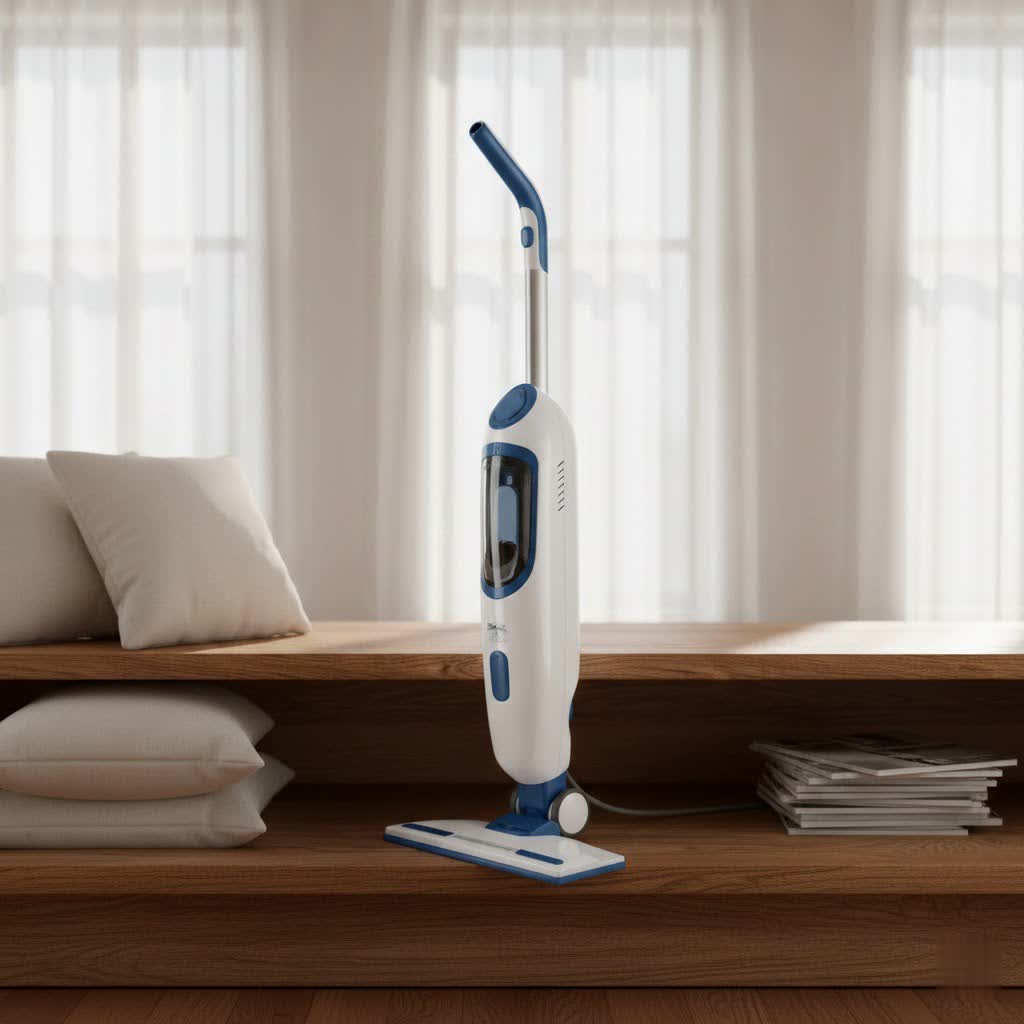
A steam and scrub mop represents an evolution in floor cleaning technology, combining the sanitizing power of steam with mechanical scrubbing action. Unlike conventional steam mops that rely solely on steam to loosen dirt, a steam and scrub mop incorporates actively rotating or oscillating pads designed to agitate and lift stubborn grime.
At its core, the device functions by heating water in an internal reservoir to a high temperature, typically around 248°F (120°C), producing superheated steam. This steam is then directed through nozzles onto the cleaning pads, which are usually made of absorbent microfiber. What sets the “scrub” aspect apart is the motorized mechanism that causes these pads to spin or vibrate rapidly. This active motion, combined with the softening effect of the steam, provides a much more vigorous and effective clean, dislodging dirt and stuck-on messes that steam alone might struggle with. The process is entirely chemical-free, relying only on the power of steam and friction to sanitize and clean your floors.
The Benefits of Using a Steam and Scrub Mop
Embracing a steam and scrub mop brings a host of advantages to your cleaning routine, transforming mundane tasks into efficient, powerful results.
Superior Cleaning Power
|
Our Picks for the Best Steam Mop in 2026
As an Amazon Associate I earn from qualifying purchases.
|
||
| Num | Product | Action |
|---|---|---|
| 1 | Steam Mop - 11-in-1 Steam Cleaner for Home with 15.2 OZ Water Tank & 23FT Power Cord, Detachable Steam Mops for Floor Cleaning MultiPurpose Steamer for Hardwood, Tile, Furniture with 11 Accessories |

|
| 2 | 11-in-1 Steam Mop - Detachable Handheld Steam Cleaner with 380mL Tank, 260℉ Floor Steamer for Hardwood, Tile, Grout, Windows, Bath & Kitchen - 3-Level Steam Control, Multi-Purpose Floor Steam Cleaner |
|
| 3 | Shark Steam & Scrub Steam Mop, All-in-One Scrubbing and Sanitizing Hard Floor Cleaner, LED Headlights, 4 Dirt Grip Soft Scrub Pads Included, XL Water Tank, Swivel Steering, Hawaiian Grey, S8001 |
|
| 4 | Shark Steam Pocket Mop with 2 Washable Double-sided Pads, Steam Sanitization, Swivel Steering, Lightweight, Steam Cleaner for Sealed Hard Floors, Hardwood, Marble, Tile, Purple, S3501 |
|
| 5 | Steam Mop, Steam Cleaner with 400ML Water Tank, 2 Washable Pads, 23FT Power Cable floor steamer, Detachable Steam Mops for sealed Hard Floors, Marble, Stone, Hardwood (Purple) |
|
| 6 | KLONA Portable Steam Cleaner, Hand Held steamers for cleaning house, Home Multi Purpose - 10-Piece Accessory Kit for Sofa, Upholstery, Carpets |
|
| 7 | Shark SteamSpot Steam Mop with Steam Blaster Technology, 3 Steam Modes, 2 Washable Pads, XL Removable Water Tank, Lightweight, Steam Cleaner for sealed Hard Floors, Hardwood, Tile, Laminate, S2001 |
|
| 8 | Bissell Power Fresh Steam Mop with Natural Sanitization, Floor Steamer, Tile Cleaner, and Hard Wood Floor Cleaner with Flip-Down Easy Scrubber, 1940A |
|
| 9 | Shark Steam Mop with 2 Machine Washable Dirt Grip Pads, Removable Water Tank, Lightweight, Steam Cleaner for sealed Hard Floors, Marble, Stone, Hardwood, Tile, Laminate, White/Seafoam, S1000 |
|
| 10 | Pressurized Handheld Steam Cleaner for Home Deep Cleaning, Multi-Purpose Portable Steamer for Cleaning with 11 PCS Accessories for Dirt, Grease, Window, Car, Furniture, Bathroom, Couch, Tile and Grout |
|
The most significant benefit is its ability to tackle tough, dried-on dirt and sticky messes that often prove challenging for regular mops. The dual-action scrubbing pads actively work to break down and lift grime, providing a deeper clean with significantly less effort than manual scrubbing. Many users report these mops delivering up to two times better stuck-on stain removal.
Chemical-Free Sanitization
Operating solely on water, these mops harness the power of high-temperature steam to naturally sanitize surfaces. This means they can eliminate up to 99.9% of common household bacteria without the need for harsh chemical detergents. This makes them an ideal choice for households with children, pets, or allergy sufferers, ensuring a cleaner, healthier indoor environment.
Eco-Friendly and Family-Safe
By eliminating cleaning chemicals, steam and scrub mops are inherently more environmentally friendly. You reduce your chemical footprint and avoid introducing potentially irritating or harmful substances into your home. This commitment to chemical-free cleaning creates a safer space for every member of your family, including furry friends.
Time-Saving Efficiency
The combination of steam and active scrubbing means you’re effectively mopping, cleaning, and sanitizing all at once. The powerful rotating pads do the hard work for you, allowing the mop to glide across floors effortlessly. This drastically cuts down on cleaning time and physical exertion compared to traditional methods that often require pre-soaking or extensive manual scrubbing.
Versatility Across Sealed Hard Floors
Steam and scrub mops are designed for use on a wide array of sealed hard floor surfaces. This includes common flooring types such as hardwood, laminate, tile, stone, marble, vinyl, and linoleum. Many models come with multiple steam modes, allowing you to customize the steam output to suit different floor types and cleaning tasks, from light dusting to deep scrubbing.
Types of Steam Mops: Focusing on the Scrubbing Innovation
While the broader category of “steam mops” encompasses various designs, the “steam and scrub mop” specifically highlights an innovative advancement in floor cleaning technology.
Most commonly, when referring to a “steam and scrub mop,” people are thinking of models that feature motorized rotating or oscillating pads. These devices are typically upright stick mops designed specifically for floor cleaning. The distinguishing feature is the active scrubbing head, which houses two or more circular pads that spin rapidly. This mechanical action is what provides the deep scrubbing power beyond mere steam saturation.
While other types of steam mops exist—like basic stick steam mops (which rely on pushing a static pad over steam), handheld steamers (for targeted cleaning of smaller areas and objects), and 2-in-1 models (which convert from a stick mop to a handheld steamer)—the “steam and scrub” designation emphasizes the active, powered scrubbing capability integrated into the mop head itself. This focus on mechanical agitation for tougher messes sets them apart from their more passive steaming counterparts.
Steam and Scrub Mops vs. Traditional Cleaning Methods
Understanding how a steam and scrub mop stacks up against conventional cleaning methods highlights its unique advantages and efficiency.
Vs. Manual Mopping
Traditional mopping with a bucket and string or sponge mop often involves spreading dirty water around, which can lead to a less hygienic clean. The need to repeatedly wring out a dirty mop head and refill a bucket of increasingly murky water is both time-consuming and often ineffective at removing bacteria. A steam and scrub mop, conversely, uses fresh, superheated steam to continuously clean. Its rotating pads capture dirt, and you can easily swap out or wash the pads, ensuring a truly sanitary clean without dirty water transfer.
Vs. Vacuuming
Vacuum cleaners are essential for removing loose dirt, dust, and debris from floors and carpets. However, they do not sanitize or effectively tackle stuck-on spills and grime. A steam and scrub mop takes over where a vacuum leaves off, providing a deep clean that vacuums cannot achieve. For optimal results, it’s always recommended to vacuum or sweep your floors thoroughly before using a steam and scrub mop to remove loose particles, allowing the mop to focus on sanitizing and scrubbing the embedded dirt.
Vs. Chemical Cleaners
Many traditional cleaning products rely on harsh chemicals to clean and disinfect. While effective, these chemicals can leave residues, emit strong fumes, and pose risks to pets, children, and individuals with sensitivities. Steam and scrub mops offer a powerful alternative, achieving 99.9% sanitization using only water. This eliminates the need for chemical cleaners, making your home a healthier environment and reducing your reliance on potentially harmful substances.
Key Features to Look for in a Steam and Scrub Mop (Buying Guide)
Choosing the right steam and scrub mop can significantly impact your cleaning experience. Consider these essential features to make an informed decision:
- Scrubbing Mechanism: This is the core differentiator. Look for mops with powerful, motorized rotating pads that effectively agitate and lift dirt. Consider the pad material (microfiber is common and effective) and how easy they are to attach and remove.
- Steam Control Settings: Different floor types and levels of grime require varying amounts of steam. Mops with multiple steam modes (e.g., light, normal, deep) offer versatility, allowing you to adjust the steam output for delicate sealed hardwood or tough tile messes. Some models also feature a “Steam Blaster” for concentrated bursts on stubborn spots.
- Water Tank Design and Capacity: A removable water tank simplifies refilling and emptying. Consider the tank’s capacity; a larger tank means fewer refills, which is ideal for cleaning larger areas without interruption. Using distilled or filtered water is often recommended to prevent mineral buildup and extend the mop’s lifespan.
- Maneuverability and Design:
- Weight: A lightweight mop is easier to push and carry around your home.
- Head Shape: While circular scrubbing pads are effective, a slightly pointed or triangular head can sometimes offer better access to corners. However, many models with round pads are designed to get close to edges and baseboards.
- Swivel Steering: This allows for easy navigation around furniture and obstacles.
- LED Headlights: These can be surprisingly useful for illuminating hidden dirt and debris on your floors.
- Cord Length: Steam and scrub mops are typically corded. A longer power cord provides greater reach, reducing the need to frequently switch outlets, which is a major convenience for larger rooms or open-plan living spaces.
- Washable Pads: Reusable, machine-washable microfiber pads are an economic and eco-friendly feature, reducing the ongoing cost of replacements. Ensure they are durable and easy to clean.
How to Use and Maintain Your Steam and Scrub Mop Correctly
To get the most out of your steam and scrub mop and ensure its longevity, proper usage and regular maintenance are key.
Pre-Cleaning Steps
Before you even plug in your steam mop, it’s crucial to prepare your floors. Sweep or vacuum thoroughly to remove all loose dirt, dust, pet hair, and debris. This prevents the mop from merely pushing around particles, allowing the steam and scrub action to focus on embedded grime and sanitization.
Filling the Water Tank
Always fill the water tank with cool, clean water. Distilled or filtered water is highly recommended, as it prevents mineral buildup (limescale) in the heating element, which can clog the steam nozzles and reduce the mop’s efficiency over time. Avoid adding any cleaning solutions, essential oils, or chemicals directly into the water tank, as this can damage the mop and void its warranty.
Operating the Mop
- Attach Pads: Ensure the scrubbing pads are securely attached to the mop head.
- Plug In & Select Mode: Plug the mop into a grounded outlet. Most models have indicator lights or a switch to select a steam mode (Light, Normal, Deep) appropriate for your floor type and the level of cleaning required. Allow a few seconds for the water to heat up and steam to generate.
- Start Cleaning: Begin mopping with a steady forward and backward motion. Critically, always keep the mop moving on your floors. Leaving a hot steam mop stationary for too long, especially on sealed hardwood or laminate, can potentially cause moisture damage or warping.
- Target Stains: For stubborn spots, some mops offer a targeted “Steam Blaster” function. Hold the mop over the stain for a few seconds while continuously moving slightly, allowing the steam and scrubbing to work more intensively.
- Refill as Needed: The mop will stop producing steam when the water tank is empty. Unplug the unit, allow it to cool slightly, and refill as per manufacturer instructions.
Post-Use Care
- Turn Off & Unplug: Always turn off and unplug the mop when you’re finished cleaning.
- Cool Down: Allow the mop head and pads to cool completely before handling them.
- Remove & Clean Pads: Detach the scrubbing pads. Most microfiber pads are machine washable; simply toss them in with your laundry. Having multiple sets of pads is useful so you always have clean ones ready.
- Empty Water Tank: If your mop has a removable tank, empty any remaining water. For fixed tanks, follow the manufacturer’s instructions for emptying or storing with residual water.
- Store: Store the mop upright in a dry place.
Common Issues When Using a Steam and Scrub Mop and How to Fix Them
Even the most effective cleaning tools can encounter occasional hiccups. Here are some common issues with steam and scrub mops and straightforward troubleshooting tips:
Steam Mop Not Producing Steam
- Check Water Tank: Ensure the water tank is filled to the appropriate level.
- Power Connection: Verify that the mop is securely plugged into a functioning electrical outlet.
- Heat-Up Time: Allow sufficient time (usually 30-60 seconds) for the water to heat up and steam to generate after turning it on.
- Clogged Nozzles: Mineral buildup from tap water can clog the steam nozzles. Try descaling the unit according to the manufacturer’s instructions, often involving a vinegar solution.
- Faulty Pump/Element: If none of the above work, there might be an issue with the internal pump or heating element. Contact customer support.
Steam Mop Leaking Water
- Overfilling: Do not overfill the water tank beyond the maximum fill line.
- Incorrect Pad Attachment: Ensure the cleaning pads are correctly and securely attached to the mop head, forming a tight seal.
- Loose Connections: Check that all detachable parts, especially the water tank, are properly seated and clicked into place.
- Cracked Tank/Housing: Inspect the water tank and mop body for any cracks or damage. If damaged, replacement might be necessary.
Ineffective Cleaning or Streaking
- Dirty Pads: The most common culprit. Change cleaning pads frequently, especially when they become saturated with dirt. Dirty pads will simply spread grime.
- Pre-Clean Thoroughly: Make sure you’ve swept or vacuumed all loose debris before steaming.
- Too Much Water/Steam: On some delicate floors, excessive steam can lead to streaking. Try using a lower steam setting.
- Leaving Residue: If you’ve previously used chemical cleaners, there might be residue on the floor that the steam is reactivating. Multiple passes with clean pads might be needed to remove it.
- Hard Water: Mineral deposits from hard water can sometimes contribute to streaking. Use distilled water.
Difficulty Cleaning Corners
- Design Limitation: Due to the circular nature of the scrubbing pads, steam and scrub mops might not perfectly reach into sharp corners. This is often a design limitation.
- Manual Touch-Up: For pristine corners, a quick manual wipe with a microfiber cloth after steaming might be necessary. Some users also use a small brush or handheld steamer attachment (if available) for detailed corner cleaning.
For any persistent issues, always refer to your specific mop’s user manual or contact the manufacturer’s customer service for specialized guidance.
The steam and scrub mop stands out as a powerful ally in the quest for pristine floors, blending the sanitizing benefits of steam with active scrubbing for an unmatched clean. From tackling sticky spills to eradicating hidden bacteria, these innovative devices offer a chemical-free, efficient, and versatile solution for modern households. By understanding their mechanism, appreciating their benefits, and following proper usage and maintenance guidelines, you can ensure your home remains hygienically clean and inviting.
Ready to experience the difference a truly deep clean can make? Investing in a steam and scrub mop means embracing a future where sparkling, sanitized floors are effortlessly within reach. What floor cleaning challenge will you conquer first with your new steam and scrub mop?
Frequently Asked Questions
What kind of water should I use in my steam and scrub mop?
It is highly recommended to use distilled or filtered water in your steam and scrub mop. This prevents the buildup of mineral deposits from tap water, which can clog the internal mechanisms and shorten the lifespan of your appliance.
Can I use a steam and scrub mop on all types of floors?
Steam and scrub mops are safe and effective on most sealed hard floor surfaces, including sealed hardwood, laminate, tile, stone, marble, vinyl, and linoleum. However, they should not be used on unsealed floors, damaged wood, or some waxed surfaces, as the moisture and heat can cause damage. Always check your flooring manufacturer’s recommendations and your mop’s manual.
How often should I change or clean the scrubbing pads?
The frequency depends on the size of the area you’re cleaning and how dirty your floors are. For optimal cleaning and to prevent streaking, you should change or clean the pads as soon as they appear visibly dirty or feel saturated. Most pads are machine washable, making them easy to reuse.
